
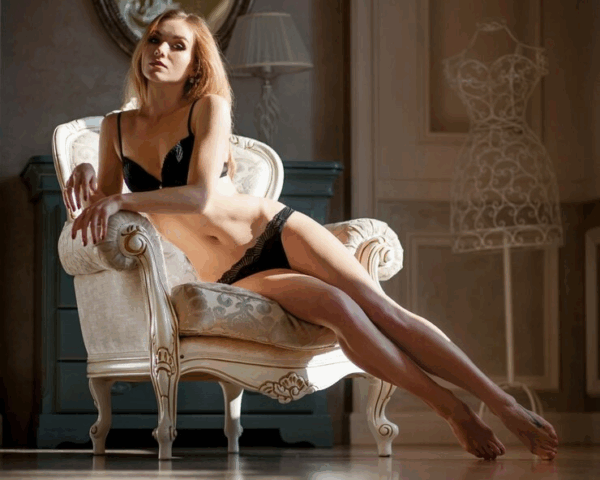
Photographing lingerie is a delicate discipline within the fashion world. It involves capturing sensuality, confidence, and style without falling into vulgarity or superficiality. Whether you work for a lingerie brand, are building your boudoir portfolio, or want to launch an intimate apparel collection, the truth is that a good lingerie photo must tell a story, convey attitude, and pay attention to every visual detail. And that’s not achieved with just a model and a camera: it requires creative intention, clear direction, and respect for aesthetics.
In this article, we share 5 lingerie photo ideas that will help you elevate your shoots, create authentic content, and project a professional and elegant image. From choosing the ideal lighting to the importance of the setting, poses, and styling, each point is designed to help you generate images that seduce with class and connect with your audience. Because when it comes to lingerie, success isn’t about showing more… but about knowing how to show with intention, sensitivity, and visual power.
1. Use soft, directional light to highlight shapes without exaggerating them.


Light is one of the most important elements in lingerie photography. Using soft, directional light allows you to highlight the body’s shape and the details of the garments without creating harsh contrasts or effects that might appear aggressive or unsightly. The goal is to create volume and depth, while always ensuring that the skin looks natural, the fabric’s texture remains visible, and the final result projects elegance.
To achieve this type of lighting, it’s ideal to work with diffused natural light, coming from a side window with white curtains or a large diffuser. This light gently envelops the body, defining contours without harsh shadows. You can also use artificial lights with softboxes or large modifiers that create the same effect. If you want to draw more attention to certain areas, use reflectors or bounce trays to fill in subtle shadows without losing contrast.
A good command of directional lighting also allows you to play with visual storytelling: you can direct it from the side to accentuate curves, from behind to create a subtle backlight that reveals transparencies, or from above for a more editorial look. If you’re working with a lace or silk garment, this type of light helps to delicately highlight its details, enhancing its elegance and quality. The key is to light with intention, not just out of necessity.
Beyond the technical aspects, this choice of lighting conveys an important emotional feeling. Soft light suggests intimacy, calm, and controlled sensuality. It’s not invasive or sexualized lighting: it’s a visual way of saying that you’re capturing confidence and style, not just a body. As a professional photographer, mastering this type of lighting positions you as someone who respects and celebrates the garment’s design and the model’s comfort. And that’s exactly what brands are looking for today: carefully crafted images with aesthetic sensibility that connect without being overly dramatic. Light, when used well, can be the most powerful language in a lingerie shoot.

2. Choose intimate locations that enhance the atmosphere


In lingerie photography, location choice is key to creating a cohesive, aesthetically pleasing, and emotionally powerful atmosphere. It’s not just about finding a beautiful space, but one that conveys intimacy, elegance, and comfort. The right locations help tell a visual story, contextualize the garment, and, above all, make the model feel confident, which is directly reflected in the final result.
Some of the best options include well-lit rooms, studios with warm decor, hotel suites, or home-style spaces with soft furniture, sheer curtains, and neutral tones. These types of environments generate a sense of closeness and naturalness that works very well with lingerie, as they allow you to showcase the garments in a context that feels authentic, not forced or artificial. Avoid cluttered backgrounds, garish colors, or furniture that competes with the garment.
Furthermore, working in intimate locations facilitates an emotional connection between the camera and the subject. When the space conveys calm, it’s much easier to achieve natural expressions, relaxed poses, and a fluid interaction. If you’re shooting outdoors, opt for enclosed, private, or well-controlled spaces where the model feels safe and secure. Comfort is paramount in these types of sessions, and as the photographer, your role is also to create that trusting environment.
A good location also communicates the brand’s style. Fine lingerie can look incredible in a boutique setting with elegant decor. A more youthful or casual garment can be photographed in a fresh and modern bedroom. Think about the story you want to tell with each image and choose a location that complements it. In the end, more than just a backdrop, the location becomes a supporting character that sustains the visual narrative. When lingerie is presented in an environment that exudes intimacy and good taste, the photograph ceases to be merely a product; it becomes aspirational.
3. Play with fabrics, shadows, and textures to suggest without showing everything.


One of the most effective strategies in lingerie photography is to suggest more than what is shown. Not everything has to be fully exposed for an image to be sensual, powerful, or visually striking. Playing with translucent fabrics, projected shadows, or soft textures allows you to create images that spark interest, convey sophistication, and maintain an elegant tone. This type of approach is especially useful in editorial shoots or for brands seeking to project style rather than provocation.
You can work with chiffon, light curtains, or blankets with open weaves that partially cover parts of the body or the garment. The goal is to create visual layers that generate mystery and beauty without completely concealing the lingerie design. You can also use fabrics draped in front of the lens to create soft blurs, halos of light, or a natural frame that adds depth to the scene. These types of effects can be easily achieved with natural side lighting or controlled backlighting.
Shadows, for their part, are a very powerful visual resource. Projecting light through blinds, branches, lace, or perforated structures can create patterns on the body that add texture, direction, and dynamism. Used intelligently, shadows not only stylize the body but also lend character and emotion to the image. This technique works very well to highlight garment details such as embroidery, transparencies, or strategic cuts.
By working with these elements, you are proposing a more artistic and professional visual narrative. This elevates the perception of both the product and the photographer, moving away from the explicit or superficial. Furthermore, it allows you to create visual content that works for both brand catalogs and social media, where many platforms limit overly revealing posts. The secret lies in mastering composition and light so that what is suggested is just as powerful as what is shown. Because in lingerie photography, elegance often resides in the details that are suggested, not those that are revealed.

4. Strike poses that project confidence, not just sensuality.


,A good lingerie photograph isn’t just about the garment or the lighting: the model’s pose and attitude are key to conveying the right message. Instead of focusing solely on “sexy” or suggestive poses, work on creating images that convey confidence, security, and empowerment. Lingerie is, in essence, an intimate garment, and capturing it with respect and sensitivity is what makes the difference between a photo with artistic intent and one that feels forced or uncomfortable.
Start by creating an atmosphere of trust. Talk to the model before you begin, explain the visual concept, listen to her, and make sure she feels comfortable with what you’re going to do. A confident model moves better in front of the camera, and that naturalness is reflected in the photos. The best poses usually emerge when the person feels good about themselves, not when they’re trying to follow overly rigid or artificial instructions.
As for the direction, look for poses that highlight the cut of the garment and the body’s posture without overexposing. Play with seated, reclining, wall-legged, or slowly walking poses. Poses with eyes on the floor, soft smiles, or touches of the fabric can be just as effective as a direct gaze into the camera. The important thing is that every gesture projects authenticity and presence, not just seduction. Avoid repeating clichés and look for what makes each model unique.
This approach is not only more respectful, but also highly marketable and visually more interesting. Today’s brands, especially in the lingerie sector—are investing in real campaigns, with women who convey strength, diversity, and their own style. As a photographer or visual creator, your role is to capture that: not an idealized figure, but a powerful attitude. Because in lingerie photography, a confident model and a well-directed pose can sell much more than a perfectly retouched image. Confidence is the new sensuality, and your camera must be ready to capture it.

5.Integrate accessories and styling to tell a visual story
In lingerie photography, the right styling and accessories can completely transform an image, turning it into a visual narrative that connects and seduces with elegance. It’s not just about decorating, but about complementing the garment with elements that enhance the concept, highlight the design, and create an atmosphere. This approach is key to achieving shoots with a unique identity, ideal for catalogs, brand campaigns, or editorial portfolios.
You can use accessories such as light robes, kimonos, linen sheets, cushions, delicate jewelry, heels, or even books and mugs if the concept leans towards something more intimate and everyday. The important thing is that everything added has a reason for being there. If you’re photographing romantic lingerie, you can complement it with a semi-sheer robe and a fresh flower. For a more sensual and sophisticated look, high boots or a velvet chair can add strength and style. Everything should speak the same visual language as the garment.
Styling also allows you to showcase the versatility of lingerie, as many pieces can serve as the foundation for more elaborate looks. For example, a bralette with an open jacket, or a lace bodysuit paired with high-waisted trousers for an urban/editorial look. This presentation expands the garments’ commercial potential and makes them more appealing to an audience seeking inspiration, not just a product.
By integrating accessories and paying attention to overall styling, your photos not only look more complete but also project professionalism and artistic direction. As a photographer, your value lies not only in pressing the shutter but in creating images that tell a story. Well-executed styling is the bridge between the garment’s design and the emotion you want to convey. And in lingerie photography, telling a visual story isn’t a luxury, it’s what sets you apart.

Conclusion
Turn your style into income with creative intent. Photographing lingerie requires sensitivity, creative direction, and a conscious awareness of the visual power of each image. These five ideas offer a solid foundation for building photoshoots that project style, elegance, and professionalism without resorting to the obvious. From the use of light and posing direction to styling and visual storytelling, every decision counts to make your work stand out in a niche that demands authenticity and refined aesthetics.


