
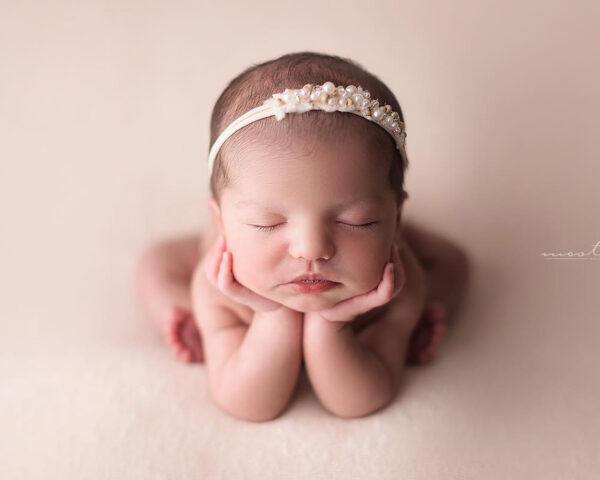
Capturing a baby’s growth during their first year is one of the most emotional and meaningful photography projects you can undertake. Each month brings subtle—and sometimes surprising—changes in expression, posture, and personality, and knowing how to document them with intention and creativity can make the difference between a cute photo and a truly memorable image. Whether you’re working with clients or creating a personal project, having clear, structured ideas month by month will help you deliver a consistent and professional result.
In this article, we share 10 practical, creative, and adaptable ideas for monthly baby sessions, designed specifically for photographers like you. We’ll cover settings, props, lighting, and visual concepts that can be applied in a studio or at home, depending on your style and resources. The goal isn’t just to fill an album with photos, it’s to tell a visual story of the baby’s growth and development over the first year of life. So if you’re looking for inspiration or a guide to offer your clients a more complete experience, keep reading: this is going to interest you.
1. Photo with a monthly themed background


One of the most versatile and visually engaging ways to photograph a baby month by month is by using themed backgrounds that reflect the time of year, holidays, or seasonal elements. This approach not only keeps the project fresh and dynamic but also creates an emotional connection with parents, placing the baby’s growth within the context of the annual calendar. For example, in December you might incorporate Christmas lights or small gifts; in April, spring flowers or Easter eggs; and in September, patriotic details like a small Mexican flag.
For photographers, these sessions offer an opportunity to unleash creativity in set design. You can use printed backdrops, colorful fabrics, wallpaper, or even digital scenes if working with a green screen. The key is ensuring the background complements rather than competes with the baby. A good practice is to maintain a cohesive color palette and control the depth of field to highlight the subject. This type of photography works well both in the studio and in carefully managed outdoor locations, taking advantage of soft natural light.
Another benefit is that you can offer this approach as part of a monthly package, with each session featuring a different concept. This helps build client loyalty throughout the baby’s first year and allows you to plan each theme in advance. Designing a visual calendar to show parents how the final result will look with all 12 photos together is recommended, which also makes selling prints, albums, or framed images easier. You can even include personalized details, like the baby’s name or age in large numbers within the scene.
Finally, remember that while the themed background is a powerful visual tool, the focus should always remain on the baby: their expressions, development, and energy. Make sure to capture a variety of expressions and angles in each session. It’s also a good idea to include a neutral shot each month (for example, against a plain white backdrop) for those who want a uniform collage at the end of the year. With this strategy, you’re not just delivering beautiful photos, you’re telling a story in twelve acts, with identity and visual coherence.

2. Comparison with an object of the same size


A highly effective technique for visually showcasing a baby’s growth month by month is to use a constant reference object in every photo. This object should be the same size in each session—such as a large stuffed animal, decorative pillow, box, or even a guitar—and positioned consistently next to the baby. Over time, the images reveal how the baby “reaches for” or even surpasses the object, creating a powerful visual and emotional impact.
From a photographic standpoint, this approach works perfectly for comparative series. It’s essential to keep certain elements consistent: camera angle, focal length, lighting, and framing. This not only makes month to month comparison easier but also helps establish a clean, cohesive aesthetic, ideal for collages or for showcasing progress on social media or in a printed album. Photographers working with families can offer this as a value added option in their progressive session packages.
The chosen object should carry symbolic or emotional significance for the parents or the baby. A stuffed animal gifted by grandparents, a blanket knitted by a relative, or a soccer ball for football loving parents are all meaningful choices. You can also suggest more neutral but visually appealing objects, such as a vintage wooden box, a numbered board, or a plant that grows alongside the baby. The key is that the object is easily recognizable without distracting from the main focus: the baby.
Beyond visual comparison, this technique opens the door to interesting compositional opportunities. In the early months, you can photograph the baby lying next to the object, then capture them sitting or even standing beside it as they grow. This evolving posture adds narrative strength. Be sure to capture additional shots from multiple angles to complement the session and provide more options for the client. Overall, this method not only documents the passage of time but does so with a clear, professional concept that’s emotionally engaging.

3. Using blankets with numbers or calendars


Numbered blankets from 1 to 12 or printed monthly calendars are a very popular resource among parents, and an excellent tool for photographers seeking a clean, practical, and easily reproducible style month by month. These blankets allow you to clearly indicate the baby’s age in each photo, whether by highlighting the number with a hoop, a floral crown, a decorative frame, or simply marking it with a striking object. It’s a highly effective visual way to contextualize each session without needing to edit the number afterward.
As a photographer, you can provide your own blanket as part of your studio props, or suggest that parents purchase a personalized version with the baby’s name, specific colors, or heartfelt phrases. There are many options available online, ranging from minimalist designs to themed versions featuring animals, clouds, stars, or botanical elements. These blankets work particularly well for in home sessions or on a well lit flat surface, such as a bed or a rug.
To achieve great results, pay attention to technical details. Lighting should be soft and diffused, preferably natural light or a studio setup with softboxes. The angle should be completely overhead, so consider using a tall tripod or a secure ladder. The baby should be relaxed, ideally recently fed and comfortably warm, as they will be lying down for the shot. Make sure to focus on the baby’s eyes, and if they’re awake, try to capture a smile or direct gaze that connects with the camera.
Another advantage of this approach is its ease of standardization, which is useful if you handle a high volume of clients. You can also offer the option of adding different accessories each month (such as a hat, small stuffed animal, or seasonal flowers) to introduce variety without losing visual coherence. These photos are highly valued by parents because they clearly show the passage of time and are perfect for a final collage or sharing on social media. In short, numbered blankets are an effective, accessible, and visually appealing solution for documenting a baby’s first year.

4. Representative costumes or outfits for each month


Dressing a baby in themed outfits or costumes each month is one of the most fun, adorable, and photogenic ways to document their first year. From a little bunny in April to a tiny Santa Claus in December, costumes allow you to create sessions full of personality that delight parents and make a strong impact on social media. This approach also gives you wide creative latitude as a photographer, as you can combine wardrobe with backgrounds, props, and lighting to build a complete scene.
Costumes can be as elaborate or simple as you like, depending on the client’s style and your photographic vision. You might suggest seasonal attire (summer clothes, knitted winter hats), holiday themes (Day of the Dead, Christmas, Children’s Day), or playful cultural and imaginative ideas such as animals, storybook characters, fruits, or professions. If you have a studio, it’s a good idea to maintain a basic collection of small sized costumes to offer more options and differentiate yourself from competitors.
From a technical perspective, these sessions require special attention to the baby’s comfort. Ensure the outfit is soft, not tight, and doesn’t irritate the skin, and avoid elements that could be hazardous, like small buttons or long ribbons. Have everything prepared before dressing the baby to minimize time on set. Patience and speed are key, as many babies cannot tolerate costumes for long. Always have a simple alternative on hand in case you need to change plans.
Including a different outfit for each session not only maintains visual variety but also allows you to tell a unique story. You can create a month by month narrative, such as a journey through the seasons, a series of storybook characters, or even an “occupations collection” where the baby “plays” different roles. By the end of the year, this approach results in a charming portfolio that can become a premium product: a personalized album, calendar, or a set of themed prints. This method strengthens your position as a creative and professional photographer, enhancing the experience for parents who want more than just a pretty photo, they want an unforgettable keepsake.

5. Taking photos in the same place and position
One of the most effective and simple ways to showcase a baby’s month by month development is to photograph them in the same location and position each time. This minimalist approach allows viewers to focus entirely on the baby’s physical and expressive changes without any external distractions. It may seem like a simple idea, but when executed well, it becomes a powerful visual series, perfect for collages, annual albums, or time-lapse projects. It’s also an excellent option for those seeking a more understated, clean, and elegant style.
To implement this idea, start by defining a “base set” that will remain consistent in every session. This could be a specific chair, a bed with a neutral blanket, a floor mat, or even a corner of the studio with good natural light. The key is that the environment stays unchanged month to month. It’s also essential to establish a clear position for the baby: lying on their back, sitting, lying on their side, or even standing if they are walking in the later months. This repetition provides visual coherence and allows the human eye to notice developmental changes more clearly.
From a technical standpoint, maintaining the same distance, angle, lens, and lighting setup for each shot is crucial. In a studio, it’s ideal to mark the exact spot for the camera and the baby. For in home sessions, you can provide parents with a small visual guide to replicate the framing. You can also include a visual reference, such as a symmetrically patterned rug or a line in the background, to aid composition. This level of control is what differentiates a professional project.
An additional advantage of this technique is that it can be combined with other ideas: you can add a reference object, include the month number in wooden letters, or simply change the baby’s outfit while keeping everything else constant. This creates a sense of order and progression that parents love. Moreover, this approach makes it easy to sell final products such as comparative posters, printed sequences, or evolution videos with smooth monthly transitions. It’s a highly effective way to show the baby’s growth over time with minimal resources, while maintaining a careful, professional execution.

6. Include the baby’s favorite toys or items
Including a baby’s favorite toys or objects in each monthly session not only adds a personal and emotional touch but also allows you to document aspects of their emotional and cognitive development. As the baby grows, their relationship with objects evolves: at first they simply observe them, then they grab them, chew on them, and eventually interact with them intentionally. Photographing these stages alongside the same objects creates a charming narrative, full of meaning for both parents and the photographer aiming to tell an authentic story.
As a professional, you can suggest that parents bring the baby’s favorite toy or most used object each month. This could be a stuffed animal, rattle, book, special blanket, or even something unconventional, like a silicone spoon the baby loves to chew. The key is that the object is a real part of the baby’s everyday life, not a decorative prop. This lends the image intimacy and authenticity that resonates emotionally with viewers.
From a photographic perspective, these objects are also useful for capturing the baby’s attention and encouraging natural expressions. You can incorporate them into the composition, placing them near the baby, or use them to interact with the child during the shoot. If the baby can sit, you might place a small pile of toys nearby; if they are still lying down, the object can be positioned beside their head or in their hands. Always ensure that the colors and shapes of the toy don’t overshadow the baby or create excessive distractions in the frame.
This approach also allows you to observe how the baby’s interests evolve month by month. For example, you might start with a stuffed animal and end with a toy car, or watch as a small object goes from being merely decorative to becoming an inseparable companion. Moreover, it’s a powerful way to connect with parents, who will see in each session not only their child’s physical growth but also their emotional development. By delivering this type of keepsake, you position yourself as a photographer who does more than take pretty photos, you show a deep understanding of capturing moments with sentimental and documentary value.

7. Photos with parents or siblings each month
Including parents or siblings in a baby’s monthly sessions adds a deeply emotional dimension to the photographic project. Beyond documenting the baby’s growth, this approach allows you to capture family connection, emotional bonds, and how family dynamics evolve over time. For photographers, it’s an excellent opportunity to create portraits full of tenderness and authenticity, while enhancing the lasting value of the images for clients. Watching a father hold his newborn and then, 12 months later, see him standing beside the child is simply heartwarming.
From a technical and compositional standpoint, these photos require planning to maintain visual consistency. You can establish a base pose to repeat each month: for example, the baby held by the mother, sitting on the father’s lap, or embraced by siblings. The background can remain the same each session or vary slightly, while carefully managing lighting and overall aesthetics. It’s essential that the adults wear neutral or coordinated colors so the main focus remains on the baby and their development.
These sessions also allow you to capture the family’s emotional evolution: natural smiles, shared glances, and the way the baby snuggles or interacts with each family member. If there are siblings, especially younger ones, you can highlight their interaction month by month to show how their relationship grows. In some cases, even changes in the parents’ appearance (hairstyles, clothing, weight, etc.) contribute to the charm and authenticity of the series.
From a commercial perspective, offering this variation enables you to create a more complete and valuable experience for clients. You can propose a monthly package in which each session includes a fixed family shot alongside the solo baby photos. By the end of the year, this approach delivers a much richer result: not only the baby’s growth but the evolution of the entire family. This type of work carries enormous sentimental value and positions you as a photographer who understands the importance of capturing real life stories, not just pretty portraits. It’s undoubtedly a strategy that strengthens emotional connection with clients and sets you apart in a competitive market.

8. Flat lay style with monthly accessories
The flat lay style—photos taken from above with a carefully arranged composition of objects—is a photography trend that has gained widespread popularity and is perfectly suited for month by month baby sessions. This technique allows you to create a visually creative and aesthetic image where the baby is the central focus, surrounded by elements representing each month: seasonal fruits, flowers, small toys, clothing, or any objects that connect with the time of year or meaningful moments for the baby. Beyond being visually appealing, this approach helps tell a detailed, engaging story.
As a photographer, one of the main challenges of baby flat lays is composition. Everything should be planned in advance: colors, object placement, visual palette, lighting, and background. Ideally, work on a flat surface such as a large blanket, a plain rug, or even the studio floor covered with photographic paper. Lighting should be soft and even to avoid harsh shadows. You can use natural light from a wide window or supplement with studio lights and diffusers. An overhead angle is key, so make sure you have the necessary equipment to shoot from above safely and steadily.
A particularly appealing advantage of this style is the ability to customize each session with unique elements. For example, in October you could include small pumpkins, dried leaves, and orange tones; in February, felt hearts and pink shades; in June, sunflowers and bright colors. You can also add objects representing milestones for the month: the first tooth, first haircut, first steps, and so on. A sign displaying the baby’s age or a playful phrase, handmade or professionally printed, can also be included.
This approach works especially well for creating a cohesive, shareable visual series on social media, something parents highly value today. You can offer monthly packages with predefined themes or leave room for customization according to each family’s style. The final result is a colorful, modern, and creative portfolio that showcases your ability as a photographer to combine technical skill with design. Done well, flat lay sessions for babies don’t just produce beautiful images—they provide a photographic experience that blends art, memory, and emotion. Flat lays with babies are, without a doubt, a winning concept.

9. Capture unique expressions or gestures
One of the most endearing aspects of photographing a baby month by month is capturing their gestures and expressions. From the classic “o” shaped mouth to mischievous smiles or looks of surprise, each month brings new ways of communicating that reflect the baby’s emotional development. As a photographer, learning to identify and capture these unique expressions not only enriches the session but also adds a highly personal and authentic touch to the project. These are often the images that become parents’ favorites because they truly showcase the essence of their child.
To achieve this, it’s essential to be patient and create a relaxed atmosphere during the session. Babies are unpredictable, and their best expressions usually appear when they feel comfortable, safe, and pressure free. Playing with them, making funny sounds, using puppets, or letting them interact with their parents while you shoot can help you capture genuinely authentic moments. In this context, your role as a photographer goes beyond technique, you become part of the emotional environment that makes the magic possible.
From a technical standpoint, using a fast shutter speed is recommended to freeze those fleeting expressions, and shoot in short bursts if your camera allows. A fast lens, such as a 50mm f/1.8 or an 85mm f/1.4, will let you blur the background and focus all attention on the baby’s face. If you’re in a studio, ensure soft, natural lighting that isn’t invasive or uncomfortable for the baby. Focus should always be on the eyes, especially when capturing a smile or a direct gaze toward the camera.
A useful strategy is to dedicate a small portion of each session solely to capturing gestures. Even if you have a defined theme or a prepared set, allow the baby to express themselves freely and stay alert for those golden seconds. By the end of the year, having a series that not only shows physical growth but also the baby’s emotional development will be a treasure for the parents. These photos create a strong emotional impact and elevate your work as a photographer by capturing something irreplaceable: the emerging personality of a new human being.

10. Create a collage for the first year
Thinking from the very beginning about a composition that can serve as a final collage is an excellent strategy, both creatively and commercially. This approach involves planning the baby’s monthly sessions with an overarching vision, so that all 12 final photos can be harmoniously combined into a single visual piece: a calendar, a decorative print, an album cover, or a large format keepsake. Presenting this concept from the start not only elevates the value of your service but also positions your work as part of a carefully thought out, professional visual narrative.
To create an aesthetically cohesive collage, it’s essential to maintain certain elements consistently across all sessions. These could include the background, color palette, baby’s positioning, or the framing format (for example, keeping all photos square). You can also incorporate a visual marker, such as a large number, letter, or frame to indicate the month. Even if you explore different themes in each session, maintaining visual harmony across the images ensures that the final result is balanced and impactful.
From a technical perspective, it’s important to consider image resolution and quality, especially if the collage will be printed. Always work in RAW, pay attention to exposure and focus, and maintain a framing distance that allows for cropping without losing essential details. You can offer different delivery options for the collage: a digital version ready for social media sharing, a high quality print on canvas or photo paper, or a framed montage to decorate the baby’s room. This final product becomes a highly emotional keepsake for families.
Additionally, this approach is ideal for client retention campaigns. By showing parents from month one how the final collage will look, you create a visual expectation that motivates them to return each month. It’s an excellent way to ensure continuity throughout the baby’s first year and to build a long term relationship of trust with your clients. As a photographer, including this type of composition in your portfolio highlights your artistic vision, planning ability, and attention to detail, qualities highly valued by clients seeking more than just a standard photo session.

Master the essential techniques for safe and creative sessions
Capturing a baby’s growth month by month requires not only sensitivity and patience but also mastery of specific techniques that elevate the quality of each image. If you’ve read this far, you’re likely looking to go beyond the basics and create sessions that stand out for their style, creativity, and visual coherence. These 10 ideas are just the beginning of a vast world of possibilities in baby photography, where each session can become a piece of art with emotional value. As a professional photographer, continuing to learn and refine your style is essential to stay relevant and provide unique experiences for your clients.
If you want to dive deeper, we recommend exploring specialized courses available on our platform. The course Online de Fotografía Newborn con Marcela Cantú is perfect for learning safe and effective techniques with newborns. You can also develop a more artistic approach with the Tutorial de Retrato Conceptual Infantil con Salem McBunny, or master themed sessions with the Curso Online Personalizado de Fotografía Smash Cake con Mónica Olvera. And if you’re craving even more inspiration, visit our blog, we have content that will spark ideas for every stage of your growth as a photographer.


