
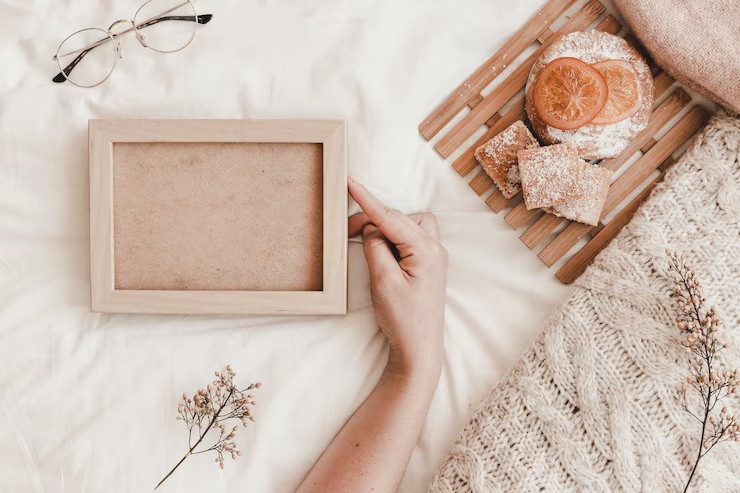
Have you ever wondered how to achieve that visual style that dominates platforms like Instagram and TikTok? Aesthetic photography goes far beyond a passing trend, it’s a way of visually narrating emotions, atmospheres, and lifestyles with clear intent. It’s not just about applying a pleasing filter; it’s about understanding composition, color palettes, lighting, and the message behind every frame. As photographers, we hold the power (and the responsibility) to transform everyday concepts into visual scenes that resonate with an audience at first glance.
In this article, we’ll share five aesthetic photography ideas you can apply both in professional shoots and in your personal social media content. These concepts are designed to inspire you, encourage experimentation with new perspectives, and help you refine your visual identity. Whether you’re shooting with a DSLR or a smartphone, what truly matters is having a clear vision and knowing how to execute it. So get your gear ready, find great light, and let your creativity take the lead, you’re about to discover ideas that will make your images stand out.
1.Work with natural light and shadow


Mastering natural light is one of the most valuable skills in aesthetic photography. Beyond adding warmth and realism, it allows you to shape mood through either soft or pronounced contrast, depending on the time of day. Shadows cast by window blinds, tree branches, or sheer curtains can become powerful visual elements, adding texture and drama to your images. The goal isn’t to eliminate shadows, but to learn how to integrate them as part of your visual narrative.
The so-called “golden hour”—just after sunrise or before sunset—is one of the most effective moments to achieve an aesthetic look. During this time, the light is soft, warm, and directional, helping you create depth in portraits and scenes. You can use it to define facial contours, introduce subtle highlights in the hair, or bathe a setting in a nostalgic, cinematic atmosphere. When shooting indoors, west facing windows provide an ideal light source for experimenting with elongated shadows and layered compositions.
Another creative technique involves using semi translucent objects to filter light: colored fabrics, parchment paper, or even glass bottles can cast intriguing shapes and tones onto your subject or scene. This not only adds an artistic dimension but also helps you develop a distinctive visual style, something essential for standing out on social platforms. Since these materials are easily accessible, they encourage experimentation without the need for expensive gear.
Finally, train your eye to observe how light interacts with the environment. Sometimes, shadows falling across a blank wall or sunlight reflecting off a mirror can spark entirely new compositional ideas. As a photographer, your sensitivity to these subtle details is what separates a standard image from one that truly aligns with the aesthetic style. Ultimately, it’s not the equipment that defines a compelling photograph, but the intention behind each frame and how effectively you use the resources at hand.

2. A minimalist composition featuring everyday objects


One of the hallmarks of the aesthetic style is embracing the philosophy that “less is more.” When applied thoughtfully, minimalist composition can transform an ordinary object into a visually striking image. You don’t need a professional studio or expensive props, just good lighting, a neutral background, and an object that tells a story on its own. Ceramic mugs, fresh fruit, open books, dried flowers, or even your personal accessories can become the star of the frame when placed in a clean, well-considered environment.
The key is eliminating visual clutter. Use plain backgrounds, ideally white, beige, or soft pastel tones, so your subject stands out. Placement within the frame is just as important: applying the rule of thirds, leveraging negative space, and experimenting with top down perspectives can give your photos a polished, editorial feel. This minimalist approach invites the viewer to pause, observe, and appreciate the details, perfectly aligned with the calm, orderly aesthetic that resonates on platforms like Instagram.
To enhance the aesthetic vibe, consider incorporating textured materials such as linen, natural wood, or marble, which add visual context without overwhelming the composition. A simple cup on a light wooden table, accompanied by a casually crumpled napkin and soft natural light streaming through a window, can become an image that conveys warmth, calm, and authenticity. This style works equally well for personal content and for brands aiming to connect visually with a young, creative audience.
Never underestimate the power of the everyday. The real challenge (and the magic) lies in seeing your surroundings with fresh eyes and finding beauty in simplicity. Practicing this type of photography not only sharpens your composition and attention to detail but also makes you more intentional about the story or emotion you want to communicate. Remember: aesthetic style isn’t just about creating something pretty, it’s about conveying a feeling, a vibe, or a narrative… using very little.

3. Monochromatic color palettes


Working with monochromatic color palettes is a powerful technique for creating aesthetic photos with strong visual cohesion. By limiting yourself to a single color range—whether various shades of blue, beige, or pink—you achieve a harmonious, clean effect that immediately draws the viewer’s attention. This approach is not only visually appealing but also helps establish your identity as a photographer or content creator, giving your images a recognizable and consistent style.
To apply this technique, start by choosing a base color that conveys the mood you want to express. For example, white evokes calm and purity; green suggests freshness and nature; and brown conveys warmth and nostalgia. From there, select elements in your environment or props that match this tone or feature lighter and darker variations of the same color. You can even extend this approach to styling portraits with clothing, backgrounds, and accessories within the same chromatic line.
This type of photography is ideal for editorial shoots, product photography, or curated social media content especially on platforms like Instagram, where feed aesthetics strongly influence engagement. Monochromatic palettes create a coherent visual narrative that flows seamlessly from one image to the next, offering a more immersive experience for your audience. Additionally, it simplifies post processing, as global color adjustments can be applied without disrupting the overall harmony of the image.
A key tip: pay close attention to lighting so colors remain true. Warm light can alter cooler tones, and vice versa. Outdoors, choose times when the light is neutral, such as early morning or late afternoon. Indoors, use white light sources or adjust color temperature in post production to maintain balance. Working with monochromatic palettes trains you to see color more deliberately, and with practice, it enables you to create images that are both striking and memorable.

4.Portraits with textured backgrounds


Portraits are one of the most powerful ways to create an emotional connection with viewers, and when combined with textured backgrounds, they take on an even more artistic and aesthetic quality. Instead of opting for flat or plain backdrops, consider using weathered walls, linen curtains, crumpled fabrics, brick surfaces, or aged wood. These textures add visual depth, context, and a tactile sense that complements the subject’s expression.
The key is ensuring the background enhances rather than competes with the portrait. Pay attention to the distance between your subject and the backdrop, as well as your chosen aperture. A wide aperture (like f/1.8 or f/2.2) allows you to slightly blur the background, keeping the texture visible without distracting from the face. This gentle blur creates an enveloping, professional atmosphere that aligns perfectly with the aesthetic style.
This approach works particularly well for conveying moods like melancholy, intimacy, or nostalgia, especially when paired with neutral or earthy tones in both the background and wardrobe. Indoors, look for corners with textured walls or use a heavy fabric as a backdrop. Outdoors, an old wall, a rusted gate, or a wooden fence can serve as excellent elements to enhance your portrait without requiring elaborate production.
Finally, remember that the background should harmonize with the subject’s body language and expression. A strong textured backdrop can complement a serious or introspective pose, while a softer texture can highlight a gentle gaze or subtle smile. The goal is to achieve a balance between subject and environment, where every element contributes to the visual message. With creativity and careful attention to detail, you can transform simple portraits into deeply aesthetic images that stand out in any portfolio or social feed.

5. Vintage or retro scenes with subtle editing
One of the most popular styles within aesthetic photography is the vintage or retro look, which taps into nostalgia and visual memories of past eras. This approach is perfect for creating images with emotional storytelling, warm tones, and a timeless feel. You don’t need access to antique locations or period clothing to achieve it; paying attention to key details like setting, props, and, most importantly, editing style is enough.
Start by arranging a scene with elements that evoke a retro vibe: an old radio, a rotary phone, a worn wooden chair, or a fabric shaded lamp. Complement the setup with wardrobe in sepia, terracotta, beige, or mustard tones, and look for locations with textured walls, heavy curtains, or wooden window frames. This kind of staging not only enriches the visual scene but also reinforces the nostalgic aesthetic you’re aiming for.
Editing is crucial to give your images that final vintage aesthetic touch. Warm up the color temperature, slightly reduce contrast, and add a touch of grain to mimic the texture of analog film. You can also lower color saturation for a more muted palette or apply filters that emulate classic film stocks like Kodak Portra or Fuji Superia. Subtlety is key, overdoing it can overwhelm the image and compromise its natural appearance.
This style resonates strongly with audiences who value authenticity and emotion. It also allows for creative visual storytelling, where each image can feel like a scene from a movie or a forgotten memory. Vintage aesthetic photography is an excellent way to explore the artistic and narrative side of the genre while expanding your portfolio with a style that never goes out of fashion. When combined with careful, soft editing, your photos won’t just stand out on social media, they’ll evoke lasting emotions and memories.

Ready to take your photography to the next level?
Exploring these five aesthetic photography ideas gives you a solid foundation to develop a distinctive and captivating visual style. By mastering natural light, minimalist compositions, monochromatic palettes, portraits with textured backgrounds, and vintage-inspired scenes with subtle editing, you’ll be better equipped to create images that stand out on platforms like Instagram and Pinterest. These techniques not only elevate the quality of your photography but also allow you to tell deeper, more emotional visual stories.
If you want to take your skills further, I recommend checking out the courses offered by Master Class Photographers. Courses such as the Curso Online de Iluminación Fotográfica y Retrato con Eloy Mora and the course Curso Online de Photoshop para Maternidad y Newborn con Mónica Olvera provide specialized knowledge that complements the techniques discussed in this article. Additionally, if newborn photography is your focus, the course Curso de Fotografía Newborn is an excellent way to learn how to capture the tenderness and essence of life’s earliest moments. Explore these resources to elevate your photography to the next level.


