
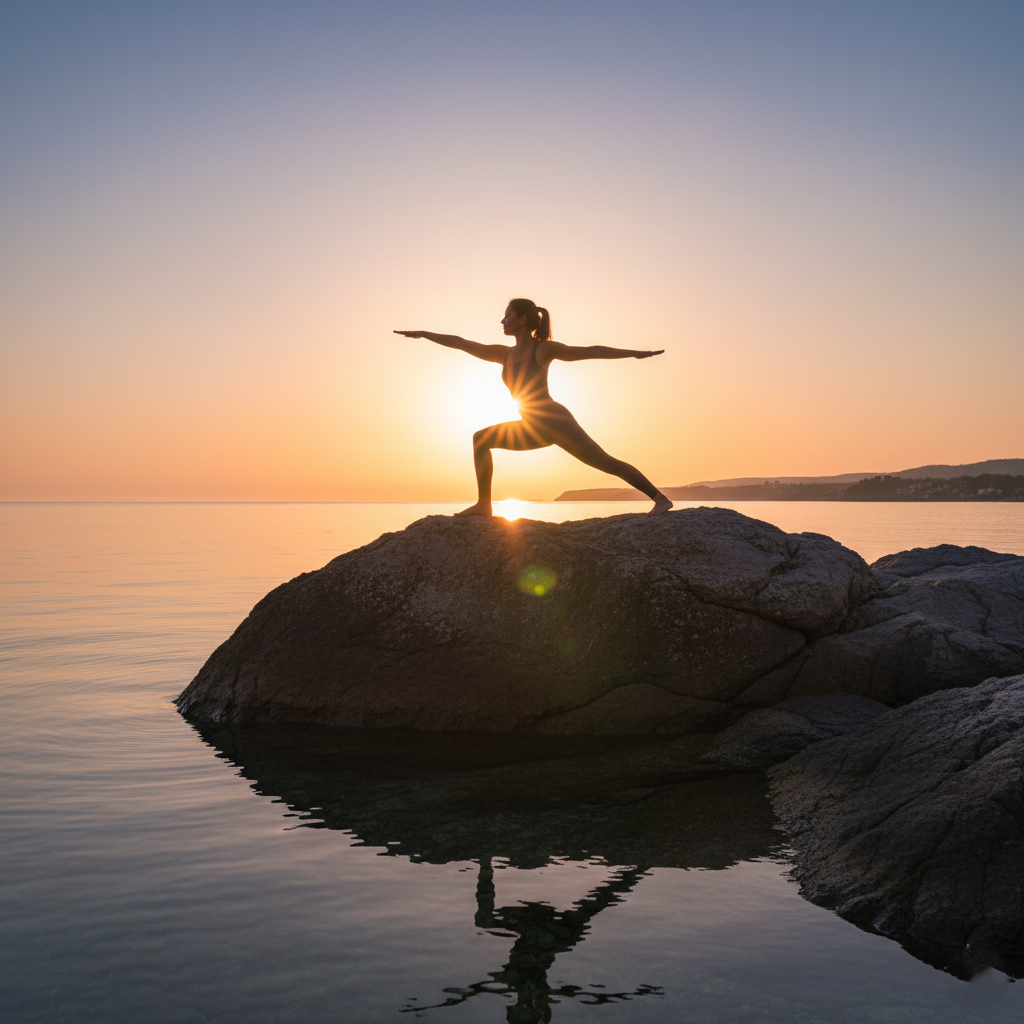
Yoga photo poses are a wonderful way to capture the connection between body, mind, and environment. It’s not just about showing flexibility or strength, but about conveying calm, balance, and focus. Each yoga pose holds a particular energy, a story that can be told visually by choosing the right angle, light, and expression. In photography, yoga becomes an art that combines inner serenity with visual aesthetics, resulting in deeply inspiring images.
Taking yoga photos goes beyond simply documenting a practice: it’s an invitation to explore the beauty of movement suspended in time. From gentle, meditative poses to those that demonstrate control and endurance, each has its own body language. In a good photographic composition, the environment also plays an essential role: a beach at sunrise, a tranquil forest, or a studio bathed in natural light can amplify the message of serenity that the practice conveys.
Furthermore, posing for a yoga photograph requires concentration and body awareness. Deep breathing helps maintain a stable posture and a relaxed expression, key elements for achieving an authentic image. In this type of portrait, the gaze and body language are just as important as the pose itself, as they reflect the practitioner’s state of mind.
This article will guide you through five yoga photo pose ideas that blend balance, harmony, and visual appeal. Each suggestion is designed to highlight the body’s naturalness and inner peace, without sacrificing the strength and presence that characterize yoga.
1. Tree Posture
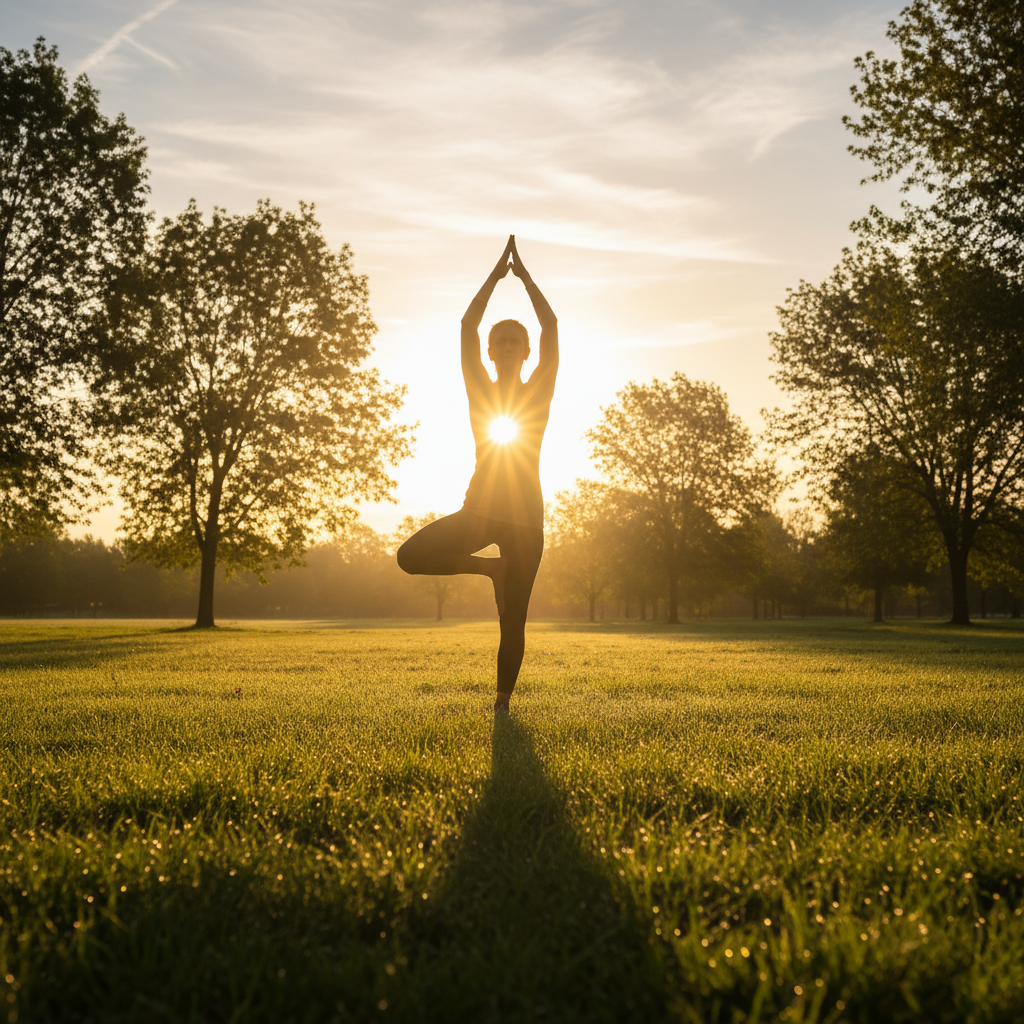
The Tree Pose, known in Sanskrit as Vrksasana, is one of the most iconic and photogenic poses in yoga. It represents stability, balance, and connection to the earth. In a photograph, this pose conveys serenity and strength, qualities that resonate deeply with the spirit of yoga. The human figure, supported on one leg, evokes the image of a calm tree, rooted in its center as it gracefully reaches toward the sky.
To achieve a striking image, the key lies in alignment and breath. The body should be upright, with relaxed shoulders and the gaze fixed on a point that helps maintain balance. The hands can be joined at the chest in Namaste or raised upward with extended arms, adding elegance and verticality to the composition. The ideal background for this pose is a natural one: a garden, a forest, or an open field where the presence of trees reinforces the symbolism of the pose.
Lighting plays an essential role. The soft light of dawn or dusk highlights the body’s lines and creates shadows that add depth. It’s also important to pay attention to facial expression; it should reflect calm and concentration, avoiding tension or forced gestures. In a photo shoot, this pose invites the photographer to capture the balance between stillness and contained energy, that moment when the body seems to stop time.
2. The Warrior Posture
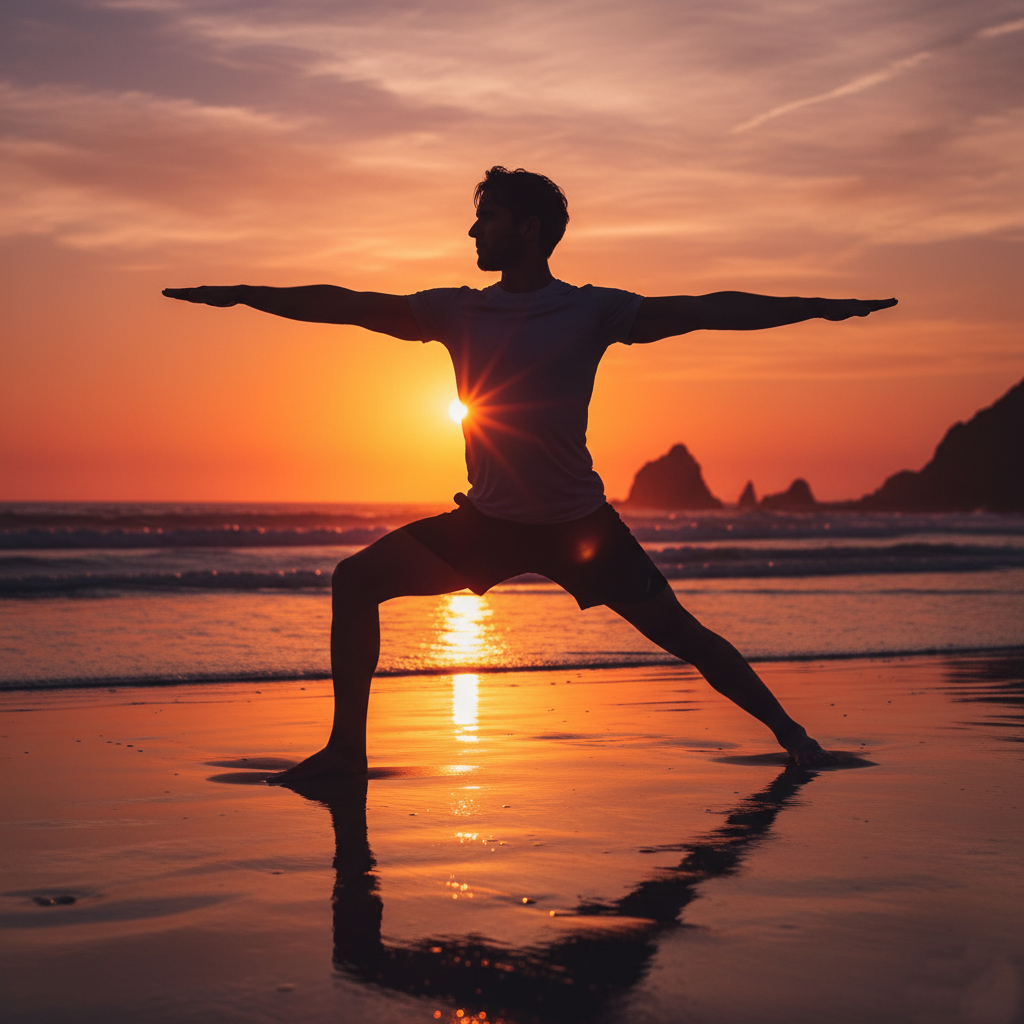
Warrior II pose, or Virabhadrasana II, is one of the most powerful and visually expressive poses in yoga. It symbolizes inner strength, stability, and determination. In photography, this pose creates a perfect body line that conveys energy and purpose, ideal for capturing images full of vitality and focus. It represents a calm warrior: grounded, aware of their surroundings, and centered on their breath.
To achieve a stunning shot, the body position should project confidence. The feet are firmly planted on the ground, one pointing forward and the other turned outward, with the legs spread to form a stable base. The arms are extended in opposite directions, parallel to the ground, while the gaze is focused intensely on the front hand. This gesture conveys direction and purpose, elements that make the photograph communicate determination and empowerment.
The setting can enhance the visual message of the pose. A wide landscape, such as a beach or an open field, creates a contrast between the stillness of the body and the vastness of the world around it. It also works beautifully in minimalist interiors, where the body’s lines become the focal point. Side lighting highlights muscle tension and the shape of the arms, while a clear background allows the practitioner’s silhouette to stand out clearly.
Virabhadrasana II is ideal for capturing the essence of yoga as a discipline that unites strength and calm. The key is to maintain fluid breathing and a serene gaze, for it is there that the photograph transcends the physical and becomes emotional.
3. The Loto Posture
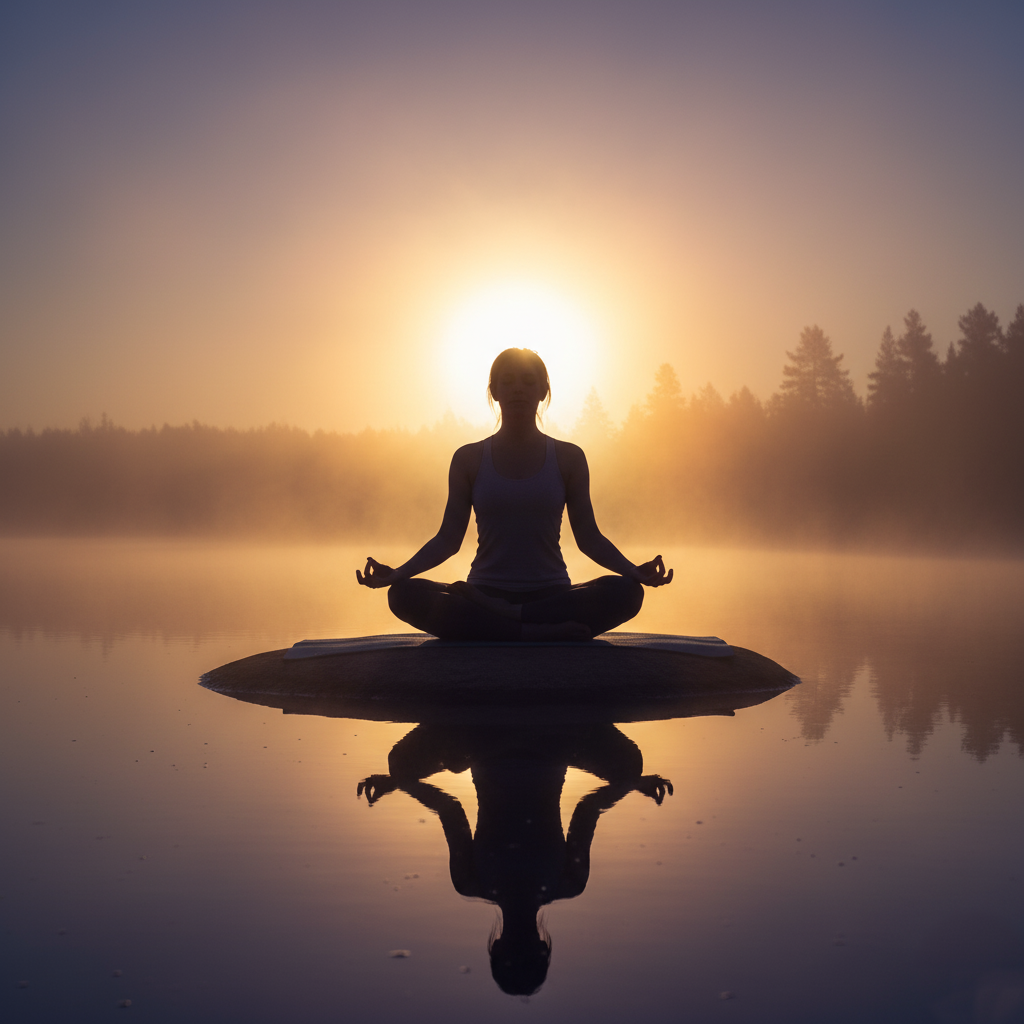
The Lotus pose, known as Padmasana, is perhaps the most emblematic of yoga, a universal symbol of peace, introspection, and meditation. In photography, this pose conveys stillness and spiritual balance, making it a favorite for capturing the contemplative essence of the practice. Its beauty lies in its simplicity: the body folds inward, and energy is focused on inner serenity, reflected in the gaze and the control of the body.
To achieve a powerful image, the pose must be executed with precision. The legs are crossed over the lap, with the feet resting on the opposite thighs. The back remains straight, the shoulders relaxed, and the hands rest gently on the knees, forming mudras, or symbolic gestures, with the fingers. The face should reflect profound calm, with the eyes closed or slightly half-open. This position invites contemplation, making it an ideal moment to portray the connection between the human being and their environment.
The perfect setting for Padmasana is a quiet, natural place: a garden, a forest, or a body of water. The soft light of dawn or dusk adds a mystical atmosphere, highlighting the balance between the human figure and the surrounding nature. Indoors, a minimalist composition with neutral tones can also enhance the feeling of serenity.
The secret to a good photograph of this pose lies in capturing the instant when the body and mind seem to hold still. It’s not just a static image, but the visual representation of absolute calm, deep breathing, and a mind at rest.
4. Downward Facing Dog
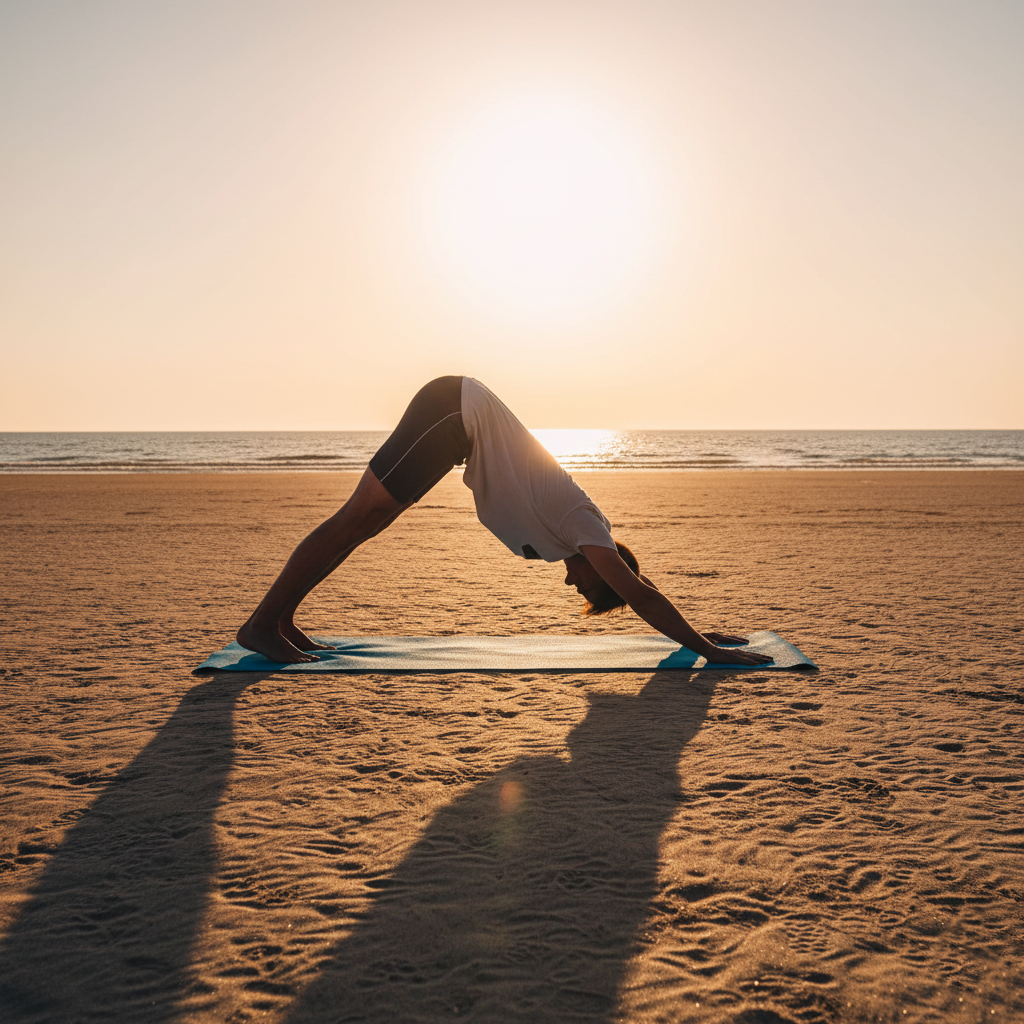
Downward-Facing Dog, or Adho Mukha Svanasana, is one of the most recognized poses in yoga and, at the same time, one of the most visually expressive. This pose combines strength, flexibility, and balance, making it an ideal choice for capturing the dynamic energy of the body in motion. In photography, this pose conveys a sense of flow and lightness, as if the body were stretching toward infinity, seeking perfect alignment between earth and sky.
To achieve a harmonious image, the body should form an inverted “V” shape. The palms of the hands rest firmly on the floor, the arms remain extended, and the hips are lifted upward, while the heels reach toward the ground. The head relaxes between the arms, with the neck loose, allowing the breath to flow freely. The visual result is a balanced composition in which strength and calm coexist in perfect harmony.
As for the setting, natural or minimalist backdrops enhance the impact of the pose. A beach, a terrace with a view of the sky, or even a studio with a neutral background and diffused light can create a tranquil and contemplative atmosphere. Side or back lighting highlights the body’s lines and muscular tension, creating soft shadows that emphasize the geometric structure of the pose.
This posture, beyond its technical merit, invites a connection with oneself. In photography, it captures a moment of total surrender, where the body seems to merge with the air. The key lies in reflecting that balance between physical effort and mental serenity, the very essence of yoga.
5. The Warrior Posture
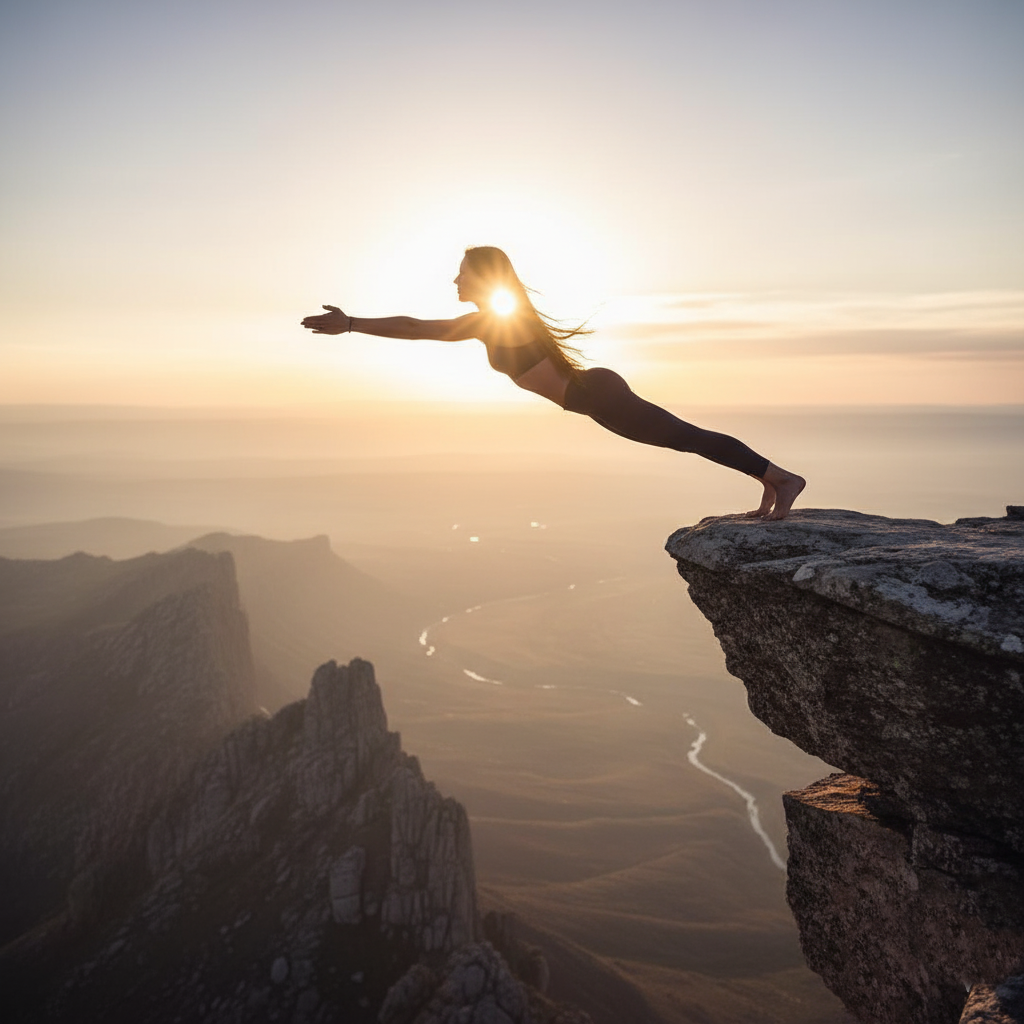
Warrior III pose, or Virabhadrasana III, is one of the most challenging and visually striking poses in yoga. It represents balance, determination, and absolute control of the body. In photography, this pose conveys a sense of suspended movement, as if the practitioner were floating in the air with a silent force that combines elegance and discipline. Its firm, extended body line is perfect for capturing the harmony between stability and dynamism.
To execute this pose accurately, the body should be supported on one leg, while the other is raised back in a straight line with the torso. The arms can be extended forward, forming a figure parallel to the floor, or opened to the sides to better balance the weight. The gaze should remain fixed on a point in front, which helps maintain stability and concentration. Deep, steady breathing is essential, as each inhalation helps sustain the inner strength that supports the pose.
Visually, this pose offers a powerful aesthetic. Open backgrounds, such as a field or a rooftop with a clear horizon, accentuate the feeling of flight. It can also look spectacular in minimalist interiors with natural light, where the body’s shadow is projected onto the floor, reinforcing the visual balance. Morning or evening light adds warmth and drama, ideal for highlighting the practitioner’s silhouette.
Virabhadrasana III is the perfect metaphor for yoga: balance in motion. In photography, it captures that instant when mind, strength, and breath align. The external stillness contrasts with the intense internal energy, creating an image full of purpose and determination.
Conclucion
Yoga photo poses are much more than elegant postures in front of a camera; they represent the union of body, mind, and spirit in a single moment of balance. Each of the ideas presented—from the serenity of Padmasana to the strength of Warrior III—reflects an essential part of the yoga path: calmness, presence, and connection with the environment. In photography, yoga becomes an art form that transcends technique to become an expression of energy and awareness.
The secret to a good yoga photo lies not only in the precision of the pose but also in the intention behind it. A deep breath, a serene gaze, or a natural setting can transform an image into a visually rich experience. Each pose tells a different story: some speak of balance, others of surrender or introspection, but all share the same essence of inner harmony.
Furthermore, the environment and light are indispensable allies. Sunrise, sunset, or tranquil indoor spaces provide an energy that complements the serenity of the practice. Even the smallest details—the position of the hands, the direction of the gaze, or the texture of the floor—can enhance the composition and make each photograph convey a message of peace.
Ultimately, what matters is not physical perfection, but authenticity. Each yoga image can become a reflection of one’s own personal journey, a visual reminder that true beauty arises when the body aligns with the mind and heart.


