
Have you ever wondered how to capture the vibrant essence of a lipstick in a photograph? Making such a small product stand out with impact in an image requires not only technical skill, but also creativity. As professional photographers, we know that in the world of cosmetic product photography, a powerful image can make the difference between a successful sale and a product that goes unnoticed. Today we’re sharing innovative ideas that will not only elevate your portfolio, but also capture the attention of beauty brands looking to make a strong visual impact on their audience.
In this article, we present five fresh and creative lipstick photography concepts designed specifically for photographers like you—those who want to move beyond the conventional. You’ll learn how to use light, backgrounds, color, and fine details to convey emotion and tell stories through your images. If you want your makeup and cosmetic product photography sessions to look professional, artistic, and commercially compelling at the same time, keep reading, your next source of inspiration starts here.
1. Use plain-colored backgrounds to highlight the lipstick


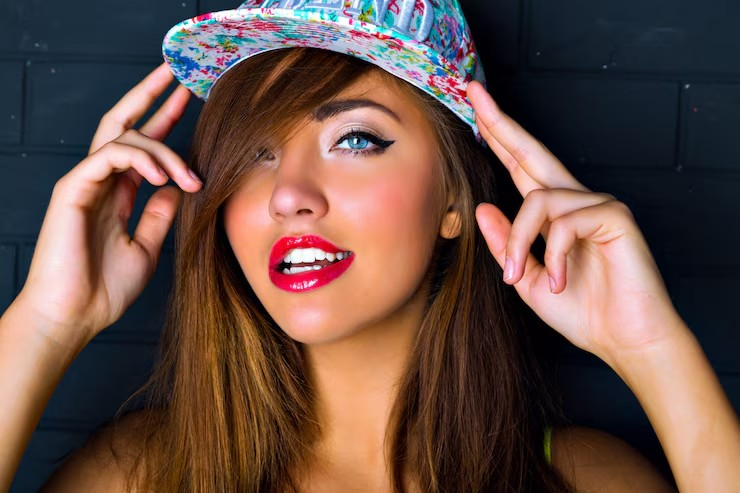
Choosing the right background is crucial when it comes to lipstick photography. A plain-colored backdrop helps direct all the attention toward the product, eliminating distractions and creating an immediate visual impact. Neutral tones such as white, black, or gray work beautifully for an elegant and sophisticated look. However, you can also opt for vibrant shades like red, pink, or purple if you want to convey energy and passion, emotions that naturally resonate with lipstick products. The key is selecting a color that contrasts with or complements the lipstick shade to achieve a balanced yet eye-catching composition.
Working with solid backgrounds also gives you the opportunity to control lighting more precisely. You can use soft, diffused light to create a clean, polished look, or introduce harder, angled lighting to add drama and depth. Don’t hesitate to experiment with paper backdrops, smooth fabrics, or even hand painted surfaces. The important thing is to keep the surface clean and free of textures that could visually compete with the main product. A simple but thoughtfully chosen background can elevate the overall aesthetic of the entire shoot.
Another useful tip is to work with trending color backgrounds. If you’re shooting for a cosmetics brand, research the color palettes currently dominating social media and advertising campaigns. Aligning with these trends will not only make your images feel contemporary, but it will also demonstrate that you understand the market and your client’s visual needs. In product photography, every visual element should support the message you want to communicate.
Finally, don’t overlook the role of post-production. A solid background allows for far more precise and efficient color adjustments during editing, helping you achieve professional results in less time. It also makes it easier to experiment with tonal variations, allowing you to present multiple options to the client without having to reshoot the entire session. Using solid-color backgrounds is not only an effective strategy, it’s also versatile, efficient, and highly valued in the world of cosmetic product photography.
2. Play with textures and products related to makeup


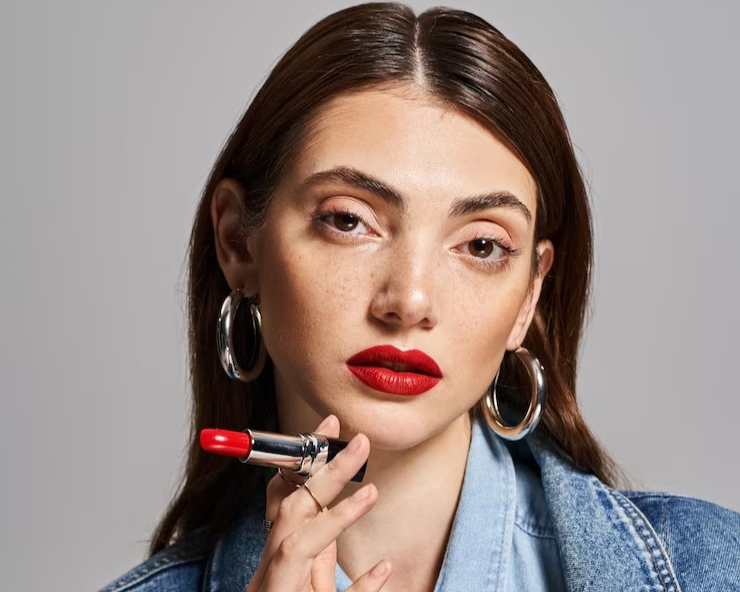
Incorporating textures and complementary elements into your lipstick photography can make a significant difference in the final result. Textures add depth and visual interest, making the product appear more dynamic and engaging. You can work with fabrics such as velvet, silk, or tulle, which bring a sense of luxury and elegance, perfect for highlighting the quality of a lipstick. Another approach is to use rough or metallic surfaces to create a striking contrast between the lipstick’s smooth texture and the hardness of the background.
Props and accessories should be chosen strategically to reinforce the beauty and makeup concept. Lip brushes, small mirrors, open makeup cases, or delicate jewelry are excellent options that complement the lipstick without stealing the spotlight. The key is ensuring that secondary elements integrate naturally into the scene and help tell a story: is it an elegant evening look, a playful and youthful setup, or a romantic aesthetic? Every element should revolve around the message you want to convey.
Another highly effective technique is using the lipstick itself as a creative tool within the composition. You can draw color strokes on a smooth surface or create abstract patterns directly with the product. This approach not only showcases the lipstick’s texture and pigmentation, but also adds an artistic and original touch to the image. Just make sure the strokes remain clean and visually appealing, paying close attention to composition and balance.
Finally, maintaining visual coherence is essential. Avoid overcrowding the frame with too many elements, as this can distract from the lipstick, which should remain the clear focal point. Work with a limited color palette and props that visually complement each other to achieve harmonious, professional compositions. By mastering the use of textures and accessories, you’ll be able to produce richer and more memorable images, elevating the overall quality of your cosmetic product photography portfolio.

3. Capture the lipstick in action: Apply it to the lips


Photographing a lipstick in use is one of the most effective ways to showcase its true impact. Seeing the product applied on real lips helps clients and brands better visualize the color, texture, and finish, whether matte, satin, or glossy. It also brings life to the image, adding a sense of realism that static product shots don’t always convey. For this type of shoot, it’s essential to work with models who have well conditioned lips and minimal makeup so the lipstick remains the focal point.
When capturing the application, experiment with different angles. A very tight close-up of the lips, with the applicator gently touching them, can create a powerful and sensual image. You can also photograph the motion of the application, capturing the exact moment when the color glides across the skin. This style of photography requires precise focusing and strong control of lighting to highlight the lipstick’s texture and the natural look of the lips. Use soft, diffused light to avoid harsh shadows that could make the lips appear dry or unflattering.
Don’t limit yourself to the traditional shot, explore more creative approaches. You can play with selective focus, sharpening only the area where the color is being applied while the rest of the image fades into a soft, ethereal blur. Incorporating mirrors or reflections can also add an artistic touch and increase visual interest. The goal is to capture not only the lipstick itself, but also the feeling it evokes, elegance, youthfulness, confidence, or boldness.
Another important detail is maintaining consistency in the model’s skin and overall makeup. The lips should look hydrated, free from cracks or visible imperfections. If necessary, apply subtle retouching during post-production to refine the finish without losing natural texture. Showing the lipstick in action not only highlights the quality of the product, but also demonstrates your skill as a photographer in telling dynamic and emotionally engaging visual stories.

4. Experiment with minimalist compositions and shadows


Minimalism in cosmetic product photography, especially in lipstick shots, can be incredibly effective for conveying sophistication and elegance. The core idea is to remove everything that isn’t essential, allowing the lipstick to become the absolute focal point of the image. To achieve this, work with clean backgrounds, neutral tones, and a simple composition. A single lipstick, strategically positioned, can create a powerful visual if combined with thoughtful use of negative space, giving the image a sense of openness and focus that naturally draws the viewer’s eye.
Shadows play a fundamental role in this type of composition. Take advantage of natural light or use a harder light source to create defined shadows that add depth and dimension to the photograph. Shadows can frame the product, create compelling lines, or simply introduce a sense of drama to the scene. Don’t be afraid to let shadows occupy a significant portion of the frame, in minimalist photography, the interaction between light and shadow can be just as important as the lipstick itself.
A highly effective technique is positioning the lipstick so it casts an interesting shadow, for example, standing upright or slightly tilted. You can also experiment by arranging several lipsticks in alignment to create geometric patterns through their shadows. These subtle compositional details can transform a simple image into something visually striking. In minimalism, precision is everything: every element must be intentionally placed.
Finally, during editing, it’s important to preserve the naturalness of the colors and avoid oversaturating the image. Retouching should remain subtle in order to maintain the sense of clarity and purity that defines minimalist aesthetics. Using simple compositions and playing with shadows not only results in sophisticated photographs, but also demonstrates your technical control and artistic sensitivity as a photographer specializing in cosmetic products.

5. Create visual effects with liquids and glow
Adding liquids and glossy effects to your lipstick photography can dramatically elevate the visual impact of your work. These elements not only enhance the sense of freshness and modernity, but also allow you to create dynamic and sensual images. You can use water droplets, oils, shimmer, or even clear gels to give the lipstick a more appealing, luscious appearance. The key is to apply these elements with control so the image doesn’t become cluttered or distract from the main product.
One popular technique is lightly misting fine water droplets around the lipstick or onto a nearby surface to simulate freshness, almost as if the product has just emerged from a humid or tropical environment. You can also use cosmetic oils to create subtle reflections on the surface of the lipstick, giving it a luxurious, glossy finish. Just be careful that the liquid doesn’t alter the product’s shape or original color, since the goal is to highlight its qualities, not modify them.
Another way to work with shine is through lighting. Use directed light sources to capture highlights in the droplets or in the lipstick’s glossy texture. You can also experiment with colored lighting to create creative effects that convey specific moods, for example, warm golden tones for a glamorous feel or cooler bluish tones for a fresh, youthful aesthetic. Controlling reflections and highlights requires patience and precision, but the results can be truly striking.
Finally, remember to maintain visual coherence throughout the composition. If you choose to incorporate liquids or glossy elements, make sure the rest of the components, background, props, and lighting, support that atmosphere without introducing visual noise. Using liquids and shine as visual effects not only makes your lipstick photography more eye catching, but also demonstrates your ability to innovate and craft memorable images that capture the essence of beauty products in a unique and professional way.

What follows after mastering these ideas?
Lipstick photography requires a blend of creativity, precise technique, and a trained eye for the details that truly make an image stand out. By applying these five ideas, you can create professional images that not only showcase the beauty of the product, but also evoke emotions that resonate with the audience. Remember that every composition, every shadow, and every reflection contributes to the perception of quality you deliver as a photographer specializing in beauty products.
To refine your images even further, at Master Class Photographers we recommend the Tutorial de Retoque FineArt en Exterior con Salem McBunny, where you’ll learn advanced artistic editing techniques, perfect for giving your photographs a distinctive, polished finish. You can also take your lip portraits to the next level with the Tutorial de Retoque Artístico de Ojos con Salem McBunny, which will teach you how to refine and enhance the most expressive features of the face. Explore our blog to discover more ideas, techniques, and courses designed to help elevate your photography career.


