

Photographs with toys have a special charm: they evoke tenderness, nostalgia, and a sense of playfulness that connects with our most sincere and creative selves. Whether it’s a children’s session, an art project, or a conceptual portrait, toys bring color, texture, and meaning to the image. They can be the main focus or become accomplices of the subject, giving rise to scenes full of history and emotion.
In a visual world where spontaneity is increasingly valued, including toys in a photo shoot allows you to explore a different visual language. It’s not just about capturing objects, but about telling stories: the doll that symbolizes childhood, the miniature car that represents dreams, or the stuffed animal that holds affection. Through the right poses, it’s possible to express tenderness, fun, melancholy, or imagination, depending on the context and the intention of the photo.
Posing with toys invites you to play with emotions and perspectives. You can create intimate compositions, where the person lovingly holds a toy, or dynamic ones, where both seem to interact as if in a live scene. Furthermore, the type of toy, the lighting, and the surrounding colors directly influence the visual tone of the image. A neutral background can highlight the details, while an everyday setting adds warmth and realism.
Photographing toys is, in essence, a return to innocence. It’s a reminder that beauty can be found in the small things, in what has accompanied us since our earliest memories and evokes genuine emotions.
1. Hold the toy tenderly, as if it had a life of its own.
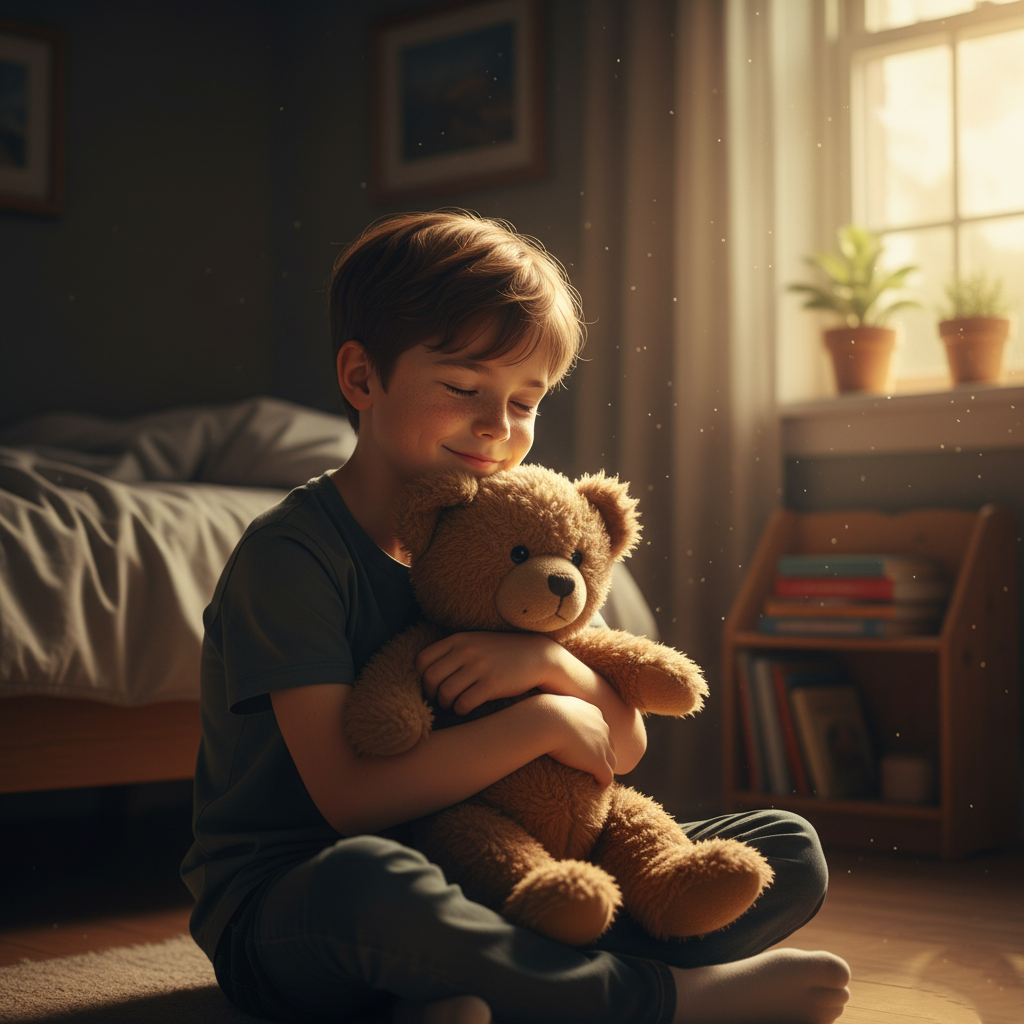
One of the most emotive poses for photos with toys is holding them gently in your hands, as if they were something alive and meaningful. This pose works especially well when you want to convey warmth, nostalgia, or a deep emotional connection. The toy becomes the focus of the photographic narrative, not as a mere object, but as a symbol of affection and memory.
The gesture should be soft and natural. It’s not necessary to look directly at the camera; instead, you can gaze at the toy, as if sharing a secret or a memory. This eye contact creates an intimate connection that the viewer immediately perceives. Your hands play an essential role: gently placing them around the toy conveys a sense of protection, as if that small object held something invaluable.
The lighting should be warm and enveloping, ideally natural, to reinforce the emotional tone of the scene. If you’re shooting indoors, a window can be your best friend: its diffused light softens features and accentuates the toy’s texture. The colors should also harmonize with the atmosphere. Pastel shades, beige, or brown create a cozy atmosphere, while a neutral background allows the focus to remain on the interaction between the subject and the toy.
This pose works well in both individual portraits and family sessions, evoking tenderness and authenticity.
2. Playing with a toy as if were a real character
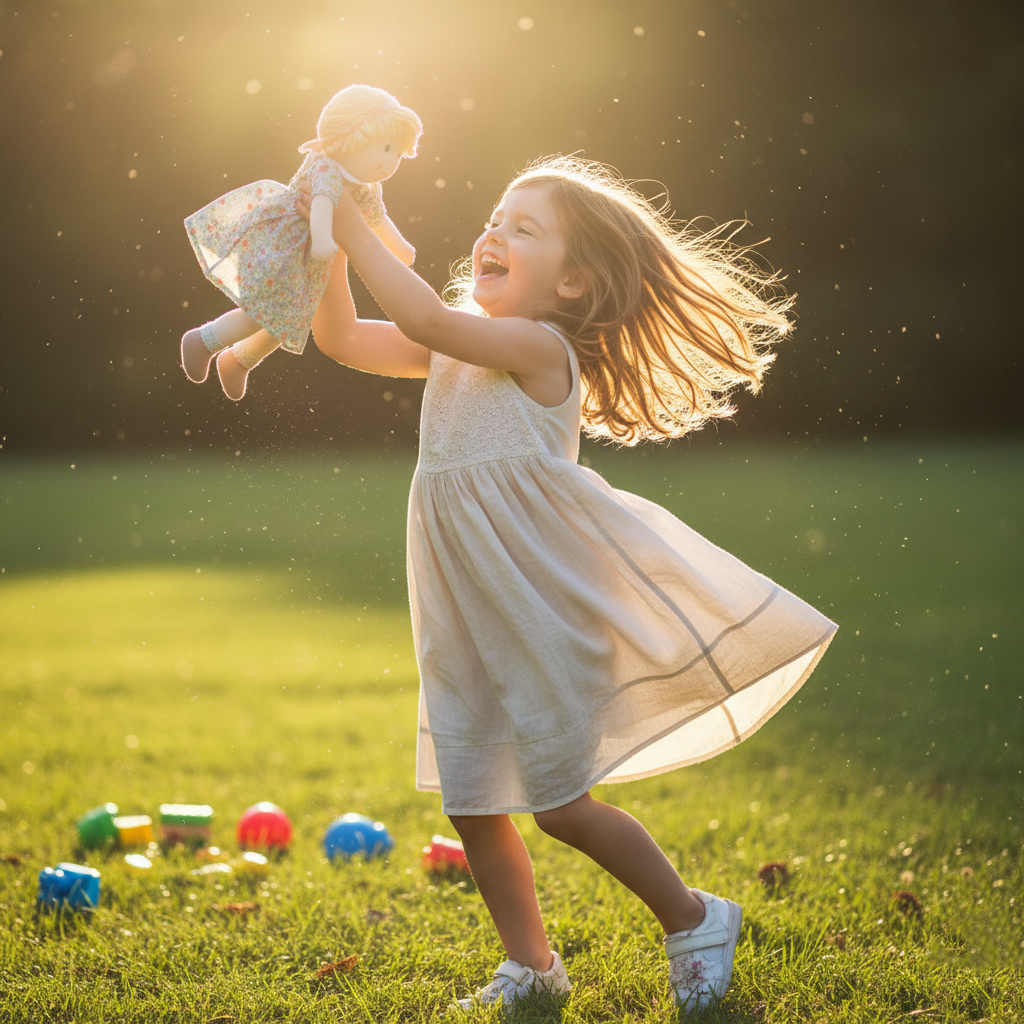
The most memorable photos with toys are those that capture movement and emotion. In this pose, the key is to let the person interact with the toy as if it were a living being or an adventure companion. Naturalness is what makes the image authentic and endearing. It’s not about posing rigidly, but about creating a story: throwing the toy in the air, making it walk, talking to it, or sharing an everyday activity with it.
This type of pose works especially well with children, as their imagination brings genuine energy to the scene. However, it can also be applied to adults who wish to evoke their more playful or nostalgic side. The secret is capturing the moment when the interaction feels real. A gesture of surprise, a spontaneous smile, or a focused gaze can transform a simple image into a complete story.
The setting can reinforce the narrative. A park, a room with scattered toys, or a colorful garden are ideal backdrops. If a more intimate effect is desired, the background can be blurred to focus attention on the subject and the toy. Furthermore, using a medium shutter speed allows you to preserve the sense of movement without losing detail.
The most important thing is to let the expression flow freely. The photograph should capture the genuine joy of the game, that spark that unites reality with imagination.
3. Create a miniature scene where the toy is the main character.
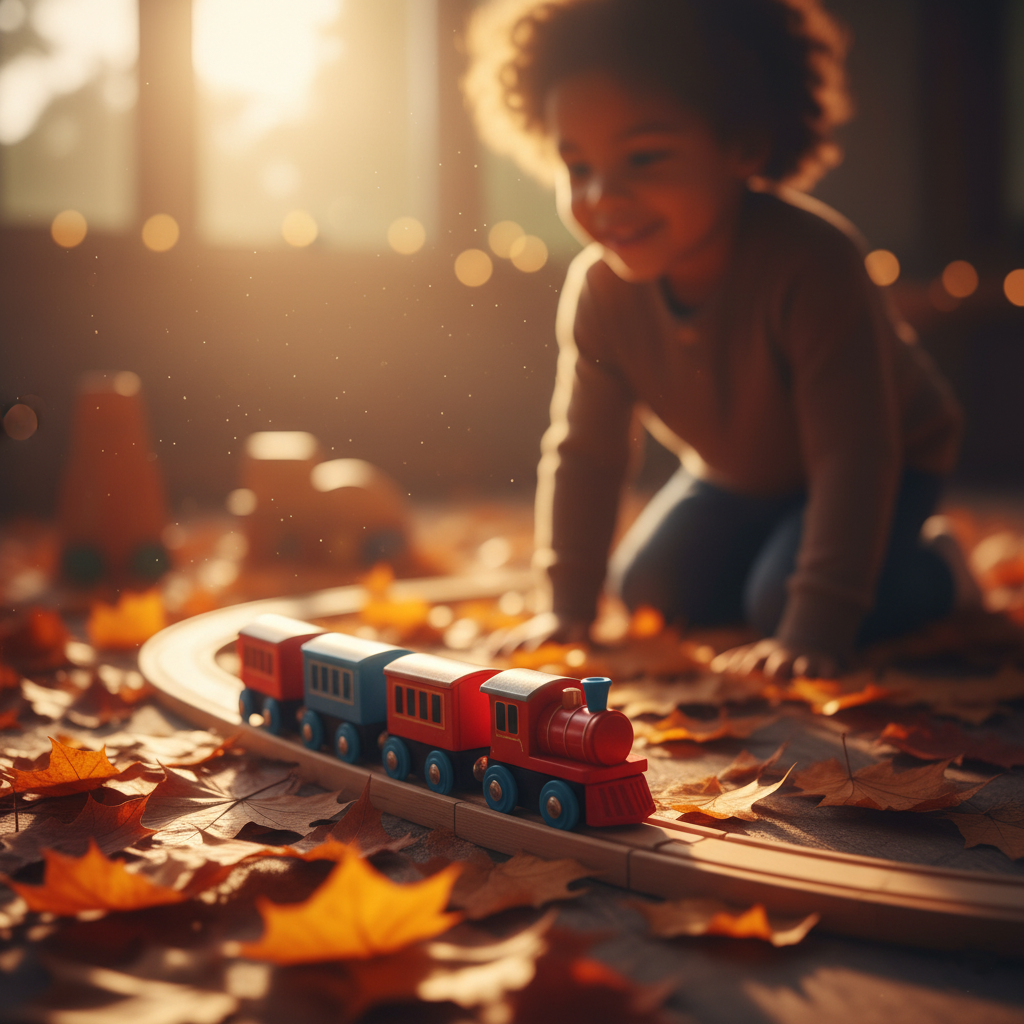
This pose invites you to play with perspective and imagination, making the toy the center of a visual story. Instead of the person being the main subject, the camera focuses on the toy, while the human becomes part of the background or an accessory that provides context. It’s an ideal technique for conveying creativity, tenderness, and storytelling, as it allows you to build small worlds where the toy seems to have a life of its own.
The idea is to place the toy in an environment that appears realistic in scale. It could be on a table, in the grass, or even on the edge of a window. The person posing can observe it from behind, reach out to it, or interact gently without stealing the spotlight. This pose combines composition and symbolism: the toy represents fantasy, while the human figure embodies the gaze that contemplates it.
The photograph can benefit from a shallow depth of field, where the toy is in focus and the background is slightly blurred, reinforcing the feeling of an intimate and cinematic scene. The lighting should be carefully considered; Side lighting or sunset light enhances the details and shadows of the object, adding drama and warmth. The surrounding colors should harmonize with the toy’s tone, creating a cohesive atmosphere.
This pose works both to capture tenderness and to tell little stories that spark the imagination.
4. Sharing a play time on the ground
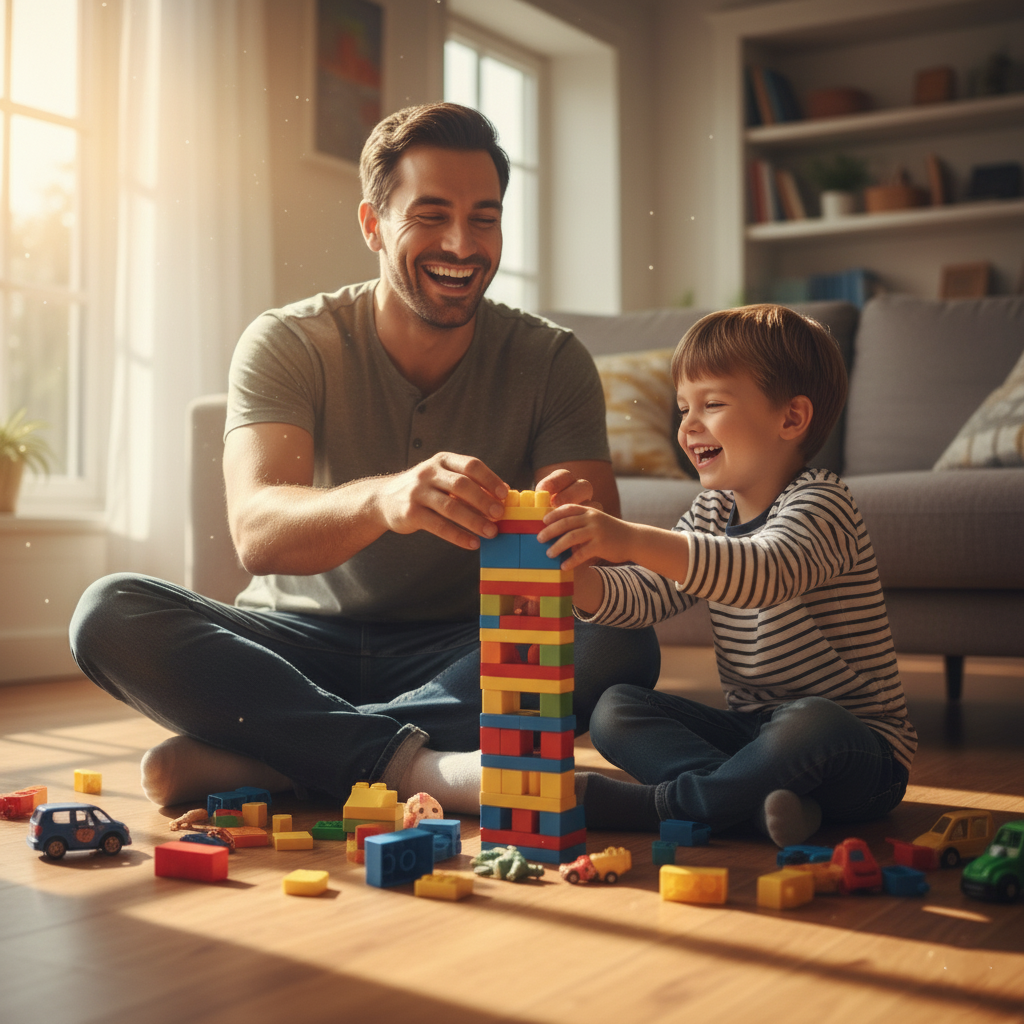
One of the most genuine and expressive poses for photos with toys is capturing the moment a person sits or lies down on the floor to play. This perspective breaks down the barrier between adult and child, showing closeness, joy, and authenticity. The contact with the floor—whether it’s a rug, grass, or wooden floor—helps create a relaxed atmosphere where laughter and imagination flow naturally. There are no forced postures or rigid poses, just a real moment that conveys spontaneity.
The person can lean forward, build a tower with blocks, push a toy car, or pretend to have a conversation with dolls. The secret is to maintain concentration and the excitement of the game, forgetting the presence of the camera. This type of photography is powerful because it shows the person immersed in their own world, where the toy ceases to be an object and becomes part of the story.
The ideal framing is at ground level, to capture the scene from the toy’s perspective. This generates a feeling of closeness and empathy, as if the viewer were also participating in the game. As for the lighting, soft, natural illumination is perfect for maintaining an intimate and warm atmosphere. The bright colors of the toys add vibrancy to the scene and highlight the joy of the moment.
This pose captures the essence of play: the instant when time stands still and only fun exists.
5.Toys in Motion to capture dynamism and fun
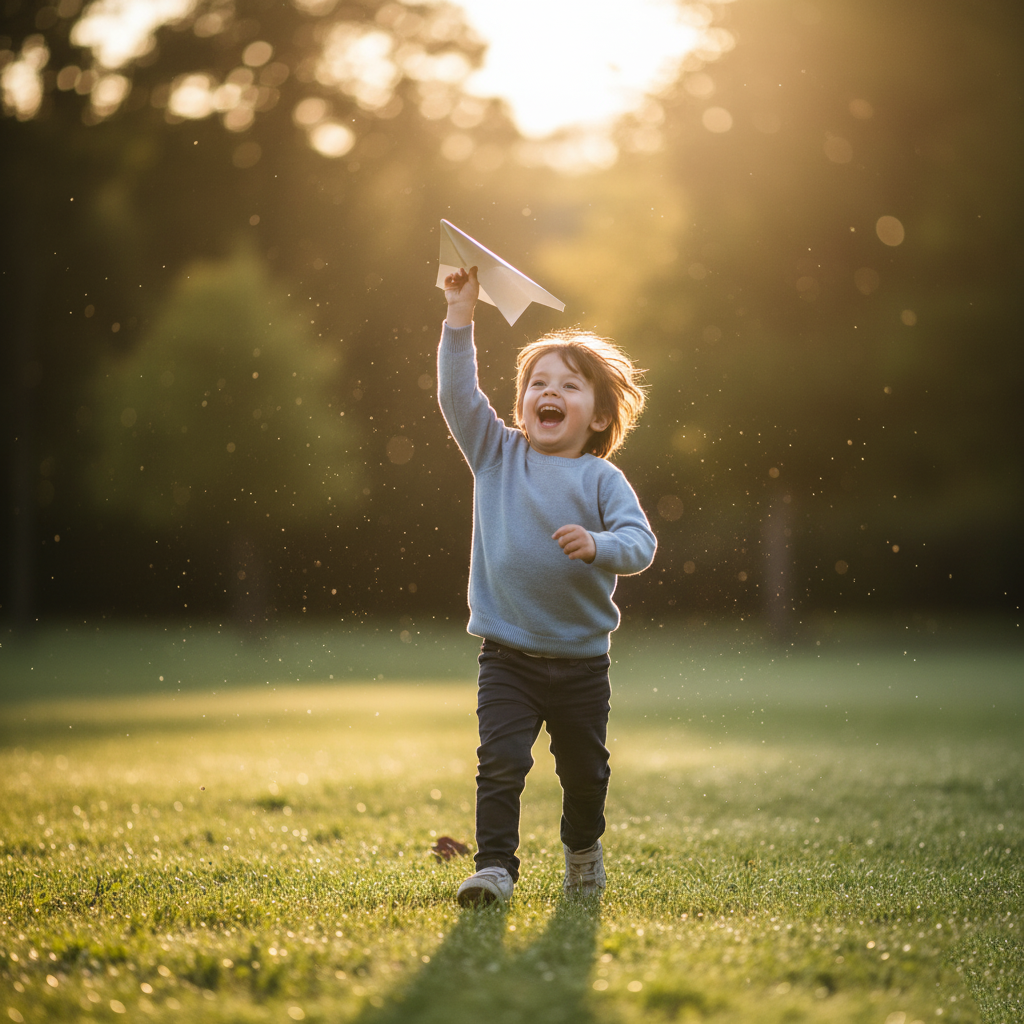
This idea aims to break the stillness of traditional photos and bring toys to life through movement. Capturing the moment a car moves forward, a ball rolls, or a doll seems to leap into the air creates images full of energy and vitality. Poses with movement are ideal for expressing spontaneity and joy, as well as adding a cinematic touch to the photograph. Instead of posing statically, the person can interact with the toy while performing a natural action, such as throwing, pushing, or making it fly.
The trick is combining good coordination with the shutter speed. Using a fast shutter speed freezes the moment, while a slower speed creates a blurring effect that conveys dynamism. The person should appear smiling, focused, or surprised, reinforcing the feeling that the toy has a life of its own. It’s a way to relive the excitement of play, to capture that fleeting moment where imagination and reality blend.
The setting also plays a role. It could be a park, a patio, or even a room with good natural light. The key is to keep the background unobtrusive and allow the toy’s movement to take center stage. The camera should be positioned at the toy’s eye level or slightly below to enhance the sense of action.
This pose transforms the everyday into something magical, demonstrating how even the simplest toys can inspire vibrant stories.
Conclusion
Photos with toys aren’t just cute or nostalgic images; they’re a way to reconnect with the imagination and capture genuine emotions rarely seen in conventional portraits. Through the various ideas explored, it becomes clear that each pose offers a unique opportunity to tell stories, express feelings, and recapture the spontaneity of play. Whether lovingly holding a toy, building a miniature scene, or capturing the movement of a figure in action, the result goes beyond a simple photograph: it becomes a reflection of the creativity and emotional bond people share with these small objects brimming with meaning.
The charm of these sessions lies in their ability to evoke memories and generate genuine smiles. Each toy has a story, a character, or a moment associated with it, and when incorporated into a photo session, it transforms into a symbol of identity and emotion. Therefore, these ideas not only aim to inspire poses but also invite us to observe our surroundings through the eyes of a child, where any corner can become the stage for adventures.
The key is to enjoy the process, let your imagination guide the poses, and allow the photographer to capture the essence of the moment without rigidity. In photos with toys, naturalness always triumphs over artifice, and genuine emotion surpasses any attempt at technical perfection.


