
In a market saturated with images, knowing how to make a garment stand out can be the difference between a closed sale and a missed opportunity. Clothing photos shouldn’t just showcase the product; they should tell a story, spark desire, and project the lifestyle the customer wants. If you’re a professional or amateur photographer looking to elevate your portfolio and help your clients sell more, this article is for you.
Today, we’re sharing five creative and effective ideas for taking clothing photos that truly sell, based on commercial photography techniques, composition, and a visual style that resonates with the buyer. Whether you’re working with new, designer, or pre-owned clothing for online stores, these ideas are designed to inspire you and take your shoots to the next level. Because it’s not just about pressing the shutter; it’s about communicating value, style, and personality through every image.
1. Use neutral backgrounds that make the garment stand out.


When it comes to selling clothes online, less is more. A neutral background is your best ally in making the garment the absolute star of the image. Tones like white, light gray, or beige not only offer a clean and professional look, but also help focus the buyer’s attention on the details, colors, and finishes of the clothing. Furthermore, these backgrounds are versatile and adapt to different styles without detracting from the product.
From a photographic perspective, a neutral background also gives you greater control over exposure and white balance. This is crucial for accurately representing the colors of the garments, an aspect that can directly influence the purchase decision. A poorly represented color can generate unnecessary returns or complaints, affecting the seller’s reputation and the photographer’s as well. That’s why investing in a clean, well lit, and distraction-free background can greatly enhance the quality of your work.
A very accessible option for achieving this is to use white cardstock, rolls of backdrop paper, or plain fabrics. You can also opt for PVC or foam board backgrounds, which are easy to clean and durable. The important thing is that the background is taut and wrinkle-free to avoid unwanted shadows or distracting textures. If you’re working outdoors, look for smooth walls in soft colors, or bring a portable backdrop with you.
Remember that while creativity is welcome in clothing photography, there are times when simplicity works best. This is especially true when the intention is to sell through platforms like Mercado Libre, Amazon, or your own online store, where visual clarity and a professional aesthetic make all the difference. A well-chosen neutral background conveys confidence and professionalism, allowing every detail of the garment to speak for itself. Don’t underestimate the power of a clean background: it’s the foundation for building an image that converts views into sales.

2. Photograph the clothes on a model or mannequin


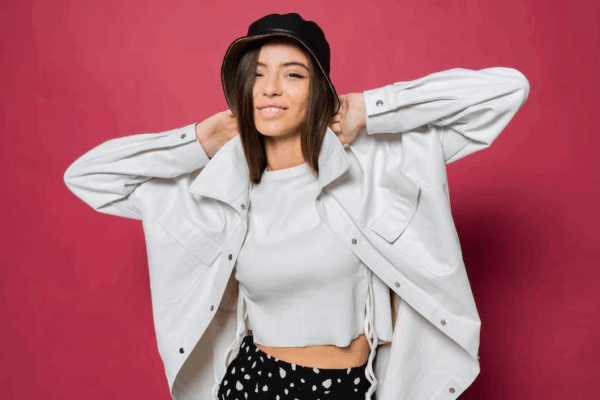
One of the most effective ways to showcase clothing for sale is to photograph it on a model or mannequin. This allows the buyer to imagine how the garment will look on a real person, which significantly increases the likelihood of purchase. A garment hanging on a hanger can look flat or shapeless, but on a body, the cut, fit, and drape of the fabric are much more apparent. Furthermore, it provides visual context for the product, something that algorithms on platforms like Facebook and Instagram also value.
Using a human model adds an emotional and connection element. Expressions, poses, and even the environment can help convey a lifestyle, an attitude, or a story surrounding the garment. For example, if you sell sportswear, showcasing it in a dynamic outdoor shoot gives an immediate sense of its functionality. If it’s formal wear, an elegant pose with good lighting reinforces the perception of quality. This is where your eye as a professional photographer comes into play: choosing the right model, directing them effectively, and paying attention to the overall aesthetic makes all the difference.
When you don’t have the budget for models, a mannequin is an excellent alternative. There are invisible mannequins, or “ghost mannequins,” that allow you to display the garment as if it were floating, preserving its shape without showing the model. This technique requires a bit more post-production editing, but it yields very professional results and is ideal for online catalogs. If you opt for a traditional mannequin, choose one that isn’t visually distracting: neutral tones, no exaggerated features, and realistic proportions.
The important thing is to avoid flat or improvised photos, such as garments laid out on a bed or hanging on a door. Although they may seem like practical solutions, they convey a lack of professionalism and negatively affect the perception of the product. By displaying clothing on a model or mannequin, you not only help the buyer visualize the product better, but you also elevate the perceived value of the brand or store you’re working for. In clothing photography, every detail counts, and this resource is one of the most powerful for generating real sales.

3.Show details and textures in the foreground.


A good clothing photo should not only show how a garment looks from a distance, but also allow the buyer to “feel” the product through the screen. To achieve this, close-ups that capture details and textures are essential. Photographing seams, buttons, zippers, embroidery, prints, or the type of fabric in high resolution builds trust and creates a sense of transparency: the customer knows exactly what they are buying. This is especially important if you are selling high value, handmade, or specially finished garments.
From a technical standpoint, this type of shot requires meticulous attention to lighting and sharpness. Use soft, diffused light to avoid excessive glare, especially if you are working with satin fabrics or reflective materials. Side or angled lighting helps accentuate texture without creating harsh shadows. Also, use a lens with macro capabilities or one that allows you to get close enough to capture those small details without distorting the image. And, of course, make sure you have good depth of field: we don’t want the embroidery in focus but the rest blurry.
This type of photo can be part of a complementary visual series: a general shot of the garment, one of the model, and then two or three carefully chosen close-ups. This way, you offer a 360-degree view of the product and anticipate potential buyer questions. If you sell clothing online, you know that one of the most common reasons for returns is the difference between what is seen and what is received. Showing details reduces this risk and strengthens trust in your service as a photographer or supplier.
As a professional, including close-up shots in your sessions also sets you apart from the competition. Many amateur photographers or self-taught sellers neglect this aspect, but you can use it as a differentiator. It’s not just about taking pretty pictures, but functional ones: images that inform, connect, and sell. Remember that, in e-commerce, the image replaces physical contact, so your lens must become the eyes (and even the hands) of the buyer. Details matter, and you have the power to make them shine.

4. Create compositions with accessories and lifestyle


A garment on its own can be attractive, but when you present it within a composition that tells a story, its visual and commercial impact multiplies. Incorporating accessories and lifestyle elements into your photos helps the buyer imagine how to wear the garment and in what context. A dress paired with sunglasses, a handbag, and shoes creates an outfit that conveys style. A t-shirt with a backpack and headphones suggests a casual and modern look. This technique transforms a simple product photo into an aspirational experience.
From a photographic perspective, compositions must be meticulously crafted. Every element you include should have a purpose: whether it’s to highlight a color, reinforce a theme, or visually balance the image. It’s not about saturating the photo with props, but about choosing them intentionally. For example, if you’re photographing winter clothing, adding a warm mug, a scarf, and a background with a warm texture reinforces the feeling of comfort. These decisions contribute aesthetic and emotional value, key in clothing photography for sales.
Furthermore, these types of compositions are ideal for social media and editorial catalogs, where the image must not only inform but also inspire. Today’s consumers don’t just buy products; they buy lifestyles. As a photographer, your role is to connect the garment with the buyer’s aspirations. Good art direction—even minimal—can transform an image from being ignored to generating likes, shares, and sales. Even on platforms like Instagram or Pinterest, these types of photos work incredibly well because they appeal to both the visual and the emotional.
Finally, paying attention to composition also elevates your reputation as a professional photographer. You’re not just delivering technically correct images, but visually powerful ones. The use of props and context isn’t an “extra”: it’s a visual communication strategy that helps your clients sell more. And if they sell more thanks to your photos, they’ll hire you again. So don’t be afraid to experiment with objects, settings, or concepts. Play with colors, textures, and atmospheres. Every image you produce is an opportunity to tell a story that sells.

5. Take advantage of natural light for professional results
Natural light is one of the most valuable resources you can use in clothing photography, especially if you’re looking for realistic, aesthetically pleasing results without expensive equipment. Soft, well-directed lighting can make a garment look much more attractive and professional. The key is knowing how to take advantage of the daylight hours, strategically positioning your elements, and understanding how to soften or direct the light to avoid harsh shadows. In many cases, a large window with white curtains is all you need for a quality shoot.
Natural light also has the advantage of accurately displaying colors, which is essential when selling clothes online. If a buyer sees one color in the image and receives a different one, they’re very likely to lose faith in the store or platform. Therefore, taking photos during the day, preferably in the morning or near sunset (the famous “golden hour”), can help you achieve a warm and professional atmosphere without excessive editing. You just need a good location, a homemade reflector (like a piece of white cardboard), and your camera or phone properly set up.
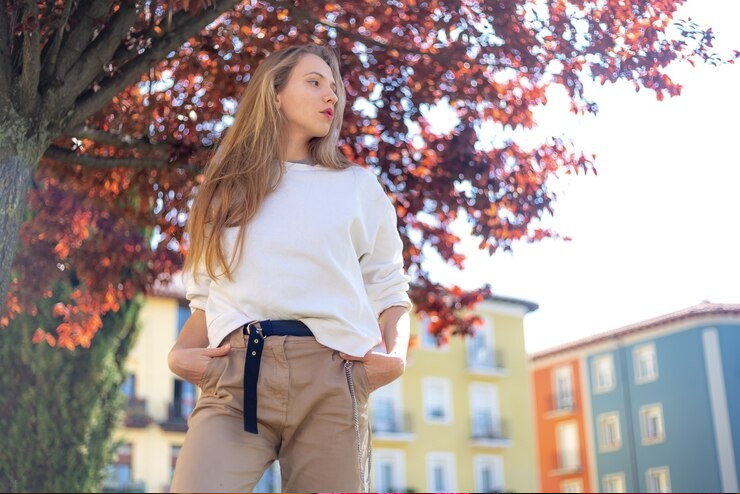
If you’re shooting outdoors, look for spots with partial shade or diffused light, such as under a tree, an awning, or on streets lined with tall buildings that block direct sunlight. Avoid midday sun at all costs, as it creates harsh shadows and contrasts that are unflattering to clothing. Indoors, position your setup near a window with indirect light. If the light is too strong, you can use a translucent fabric or parchment paper to soften it. This type of soft, ambient light is ideal for highlighting textures, drape, and details without overexposing anything.
Using natural light not only improves the quality of your images but also streamlines your workflow. Less equipment, less editing, and more organic results. As a professional photographer, mastering daylight is a skill that can easily set you apart in such a competitive market. Take advantage of its versatility to create images that not only look good but also convey genuine emotions. Ultimately, the best clothing photos aren’t the most complex, but rather those that connect honestly and aesthetically with the viewer.
Conclusion
Make your photos sell, not just look good, mastering clothing photography requires more than just a good eye; it also requires strategy, intention, and a clear understanding of what sells. With these five ideas, you can begin transforming simple photos of garments into images that communicate style, confidence, and professionalism. If you apply these techniques in your next shoots, you’ll notice an improvement in your clients’ response and, more importantly, in your sales results. Remember: every image is a visual marketing tool. And you, as the photographer, have the power to bring a garment to life and turn it into a story that resonates with the viewer.


