
Have you ever felt that your snow photographs fail to capture the true magic of winter? Snow, with its soft light and ethereal atmosphere, offers the perfect canvas for creating striking imagery… if you know how to use it. As photographers, we have the unique opportunity to transform a seemingly flat, all white landscape into a scene that feels vibrant, emotional, and powerful. Yet, when faced with winter conditions, it’s common to run out of clear ideas or the inspiration needed to push creative boundaries. That’s exactly why this article is here, to help you break through that barrier.
We’re sharing five snow photography ideas tailored specifically for photographers like you, concepts that blend technique, style, and emotion. This isn’t just about placing a subject in a snowy setting; it’s about building a compelling visual narrative that truly stands out. Whether you specialize in portraiture, lifestyle photography, couples sessions, or even artistic self portraits, these ideas will help you make the most of winter conditions, play with light, and fully embrace the frozen landscape. Get ready to find inspiration and plan your next snow shoot with a more creative, refined, and professional approach.
1. Work with natural light to create magical atmospheres


One of the greatest advantages of shooting in the snow is the way light behaves in this environment. Snow acts as a massive natural reflector, softening shadows and wrapping your subjects in an even, ethereal glow. This is particularly valuable for portrait work, as it minimizes harsh contrast, often one of the biggest challenges in post production. Take advantage of overcast days, when the light becomes even more diffused, to create a clean, visually refined, and emotionally immersive aesthetic.
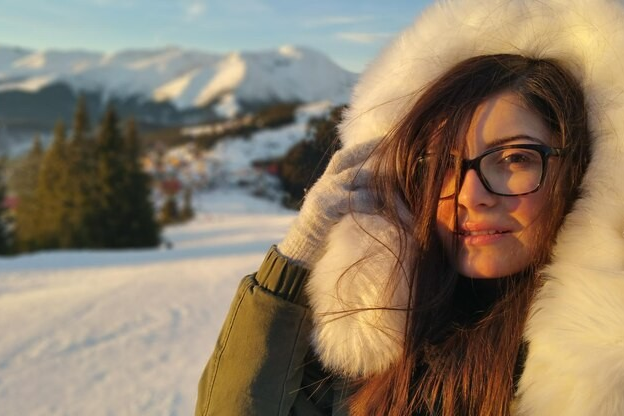
During the golden hour, just after sunrise or before sunset, the warm tones of the light contrast beautifully with the cold surroundings. This is the perfect moment to experiment with soft backlighting or dramatic silhouettes that define your subject against a luminous backdrop. The key here is proper exposure: snow can easily blow out highlights, so shooting in manual mode and regularly checking your histogram is essential.
Another powerful technique is incorporating lens flare. When used intentionally, it can add a sense of magic and atmosphere to your compositions. You can achieve this by positioning the sun partially behind a tree, your subject, or another element that diffuses its intensity. Keep in mind that your aperture will influence the look of the flare, settings like f/16 can produce that classic starburst effect, adding a layer of drama to the scene.
Finally, don’t overlook the blue hour, that brief window after sunset when the sky takes on deep, cool tones. Combined with the reflective quality of snow, it creates a cinematic atmosphere ideal for more introspective or conceptual sessions. Introduce a warm artificial light source, such as a flashlight or LED string lights, to create a compelling color contrast that draws the viewer in. Ultimately, mastering natural light in snowy environments won’t just elevate the technical quality of your images, it will significantly enhance their storytelling power.

2. Introduce colorful elements to contrast with white color


One of the main challenges when photographing in the snow is avoiding images that feel monotonous or lifeless. While the dominant white conveys purity and calm, it can also cause your subject to blend into the scene or leave the final result looking flat. That’s why a highly effective visual strategy is to introduce elements of color that create contrast and immediately draw attention. Not only does this add visual impact, but it also helps guide the viewer’s eye toward the focal point of your image.
Red, for instance, is one of the most powerful colors you can use in snowy environments. It can be incorporated through wardrobe, accessories, or props, such as a vintage bicycle, an umbrella, or a bold scarf. Red conveys warmth and passion, creating a striking emotional contrast against the cold surroundings. Other excellent options include mustard tones, forest green, navy blue, or even purple, each capable of standing out while maintaining visual harmony.
Beyond wardrobe, consider adding props that enhance the scene. A wooden sled, a steaming cup of coffee, a knitted blanket, or a vintage camera can introduce both color and context, enriching the narrative of your image. These elements allow you to tell a story without words, which is essential in emotional and lifestyle photography. The key is to maintain chromatic coherence: rather than overwhelming the frame, aim to create a refined focal point that stands out with intention.
Finally, color can also be used strategically from a personal branding perspective. If you’re working with models or brands, understanding their color palette, and applying it thoughtfully, will result in more cohesive and visually consistent imagery. The same applies to your own portfolio: developing a distinctive visual identity often comes down to how you use color across different settings. In a world where winter photography frequently leans toward monochrome, a well considered use of color can be exactly what you need to stand out on social media and capture the attention of potential clients.

3. Use the falling snow to create dynamic photos


Capturing snow in motion is an excellent way to bring energy and authenticity to your winter photography. Too often, we focus solely on static portraits or serene landscapes, overlooking the fact that snowy environments are full of opportunities for dynamic storytelling, from gently falling flakes to snowball fights or even gusts of wind lifting powder off the ground. All of this can become powerful visual material, as long as you have control over your shutter speed.
If your goal is to freeze the action—such as someone tossing snow into the air or running through a forest—use fast shutter speeds like 1/1000 or higher. This allows each snow particle to remain crisp and suspended mid air, creating a magical atmosphere that enhances the sense of motion. This approach works especially well for lifestyle photography, family portraits, or sessions with children, as it captures spontaneous emоtions and genuine moments.
On the other hand, if you’re aiming for a more artistic, dreamlike look, you can lower your shutter speed to render movement as a soft blur. Try slower speeds like 1/30 or even lower, and pair them with a tripod or stabilization to avoid unwanted camera shake. This technique is particularly effective during heavy snowfall or when your subject remains still while the environment moves around them. The result can feel poetic. almost cinematic, making it ideal for conceptual photography or self-portraits.
Another highly effective technique is using burst mode to capture a sequence of action and then selecting the strongest frame. This is especially useful when working with moving subjects, whether it’s someone spinning, shaking off snow, or playing with a dog. You can also create motion yourself by tossing snow into the air as you shoot, or directing your subject to do so. Be sure to pre focus to maintain sharpness on the face or eyes, and keep your exposure in check to prevent the snow’s highlights from blowing out. Incorporating motion into your snow sessions not only diversifies your portfolio, but also creates a stronger emotional connection with the viewer. The images come alive, and as a photographer, that’s a quality that never goes unnoticed.

4. Capture intimate portraits with winter textures


Snow doesn’t just transform the landscape, it also reshapes how we perceive closeness, warmth, and emotion. While it may seem contradictory, cold weather can be a powerful catalyst for creating more intimate, personal portraits. In these settings, it’s not just about pose or composition, but how you use environmental textures and natural elements to build an emotionally immersive atmosphere. A knitted scarf, a wool hat, visible breath in the air, or intertwined hands can all become subtle yet powerful focal points within the frame.
Work with tighter compositions and a shallow depth of field to separate your subject from the snowy background. This helps draw attention to the eyes, gestures, and expressions, creating a sense of intimacy that often gets lost in wider shots. Use wide apertures like f/1.8 or f/2.2 to achieve a soft, pleasing bokeh. This not only enhances the background, but also highlights small snow particles floating in the air, adding a rich visual texture to the image.
Don’t be afraid to move physically closer to your subject. That proximity can break the invisible barrier between photographer and model, resulting in more honest and emotionally resonant images. Guide your subject to interact naturally with their surroundings: hugging their coat, looking down as if lost in thought, or gently covering themselves with a scarf. These simple gestures, within a winter context, carry a strong emotional weight. You can also incorporate foreground elements, like snow covered branches or a fogged up window, to frame your subject and reinforce that sense of intimacy.
Finally, remember that color and light play a crucial role in this style of portraiture. Opt for soft, neutral tones in wardrobe to maintain a delicate aesthetic, or introduce a single accent color (such as red lips or a deep burgundy coat) to draw attention to the face. As for lighting, overcast days are ideal, acting as a natural diffuser. If conditions aren’t cooperating, you can recreate soft light using a silver or white reflector to bounce illumination back onto the subject’s face. The result: portraits with soul, images that convey far more than a simple winter postcard.

5. Use props and themed costumes to tell stories
One of the most effective ways to elevate your snow photography is to start thinking in terms of visual storytelling, rather than just capturing a beautiful image. This is where props and thematic wardrobe come into play. Unlike an improvised session, when you plan with narrative intent, every element within the frame serves a purpose. Whether you’re aiming for a romantic, nostalgic, magical, or even editorial look, the right outfit and carefully chosen props can make the difference between a standard photo and one that lingers in the viewer’s mind.
Start by defining the style you want to convey: a winter fantasy, a holiday inspired story, or perhaps a bohemian look set in the mountains. Once you have a clear concept, select key pieces such as long coats, capes, hats, textured boots, leather gloves, or knitted scarves. The goal isn’t to overload the scene, but to curate the wardrobe as if it were part of a cinematic production. Sometimes, something as simple as a vintage coat or a vibrant red dress against a snowy landscape can become the defining focal point of the entire shoot.
Props, too, carry strong narrative weight. Think of antique books, steaming mugs, retro suitcases, lanterns, dried leaf crowns, or even candy canes for a subtle holiday touch. These elements don’t just add color and texture, they invite the viewer to imagine what’s happening and who the character in the frame might be. If you’re photographing a couple, they might share a blanket or a thermos of coffee; for a child, a sled or a snowman can become part of the story. The key is intention: every object should feel meaningful, not decorative.
Finally, pay close attention to the harmony between your subject, the environment, and the styling elements. Make sure colors complement rather than clash with the landscape, and incorporate textures in the wardrobe that contrast with the softness of the snow. Layering clothing isn’t just practical for cold weather, it also adds visual depth and richness. Remember, in winter photography, less isn’t always more. A thoughtfully styled outfit combined with a few well chosen props can transform a simple snow session into a cohesive photographic series with character, emotion, and a distinctive visual identity.

Let’s continue exploring the world of photography together
Exploring snow as a photographic setting is like opening the door to a completely different creative experience, one filled with subtle nuances, soft light, and striking contrasts. These five ideas are just the beginning: every winter brings new opportunities to experiment with composition, emotion, and distinctive styles. Whether you work with models, photograph families, or pursue more artistic imagery, the key lies in observing closely and daring to try new approaches. In the end, what transforms a photo into a truly compelling image isn’t just technique, but the story you’re able to tell through it.
If this article sparked your inspiration, we invite you to explore more content like this on our blog. And at Master Class Photographers, you’ll find courses designed for photographers like you, passionate, curious, and eager to take their craft to the next level. Learn from experts, discover new tools, and strengthen your artistic vision through programs built to support your professional growth. Snow is just the setting, the real impact comes from what you create with your camera and your creativity.


