
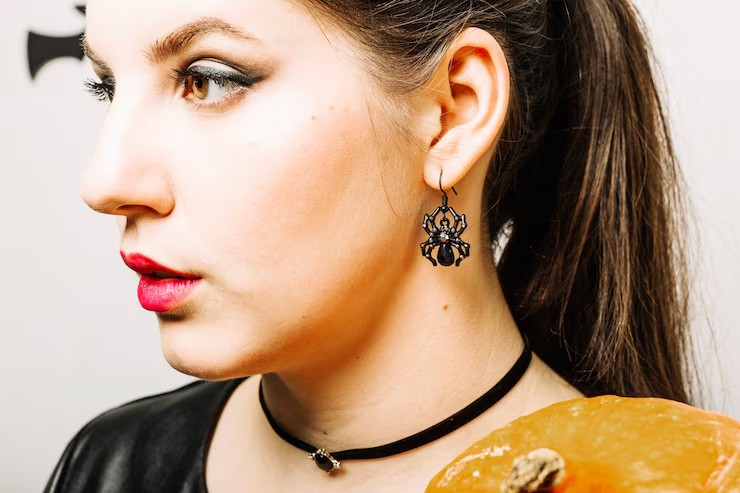
Earrings, though small in size, have a significant visual and emotional impact in the world of fashion and product photography. Capturing them correctly can make the difference between a flat image and one that communicates style, luxury, and quality. Whether you work with jewelry brands, online stores, or are building your professional portfolio, mastering earring photography is key to standing out in a visually competitive market.
In this article, we share five professional earring photography ideas designed to help you capture images that shine with aesthetics and precision. From the use of backgrounds and textures to lighting and composition techniques, each recommendation is designed to ensure your photographs not only look beautiful but also sell. If you’re looking to improve your skills as a product or fashion photographer, this content will give you the inspiration and tools you need to do so with confidence and creativity.
1. Use neutral backgrounds and soft textures to highlight the earrings


When it comes to earring photography, the background can be your best friend or your worst enemy. Choosing a neutral background with a soft texture allows the earrings to be the absolute focus of the image, without visual distractions. Colors like white, beige, light gray, or matte black are ideal options to make the details of the accessory—such as the sparkle, shape, or color of the stones—stand out clearly and elegantly. This type of background also lends a professional look that is perfect for catalogs, online stores, or social media posts.
In addition to color choice, the texture of the background also plays an important role. Surfaces like photographic paper, matte cardstock, linen fabric, velvet, or light wood can add a sense of quality and sophistication without overshadowing the product. The key is for the background to complement the earring without competing for attention. If you’re working with highly detailed or sparkly pieces, a completely smooth, patternless background will help draw the eye to the accessory. Conversely, if the earrings are simple, a subtle texture can add aesthetic value.
A good background also allows you to control the light more efficiently. For example, matte surfaces help reduce unwanted reflections, while some fabrics absorb light and prevent harsh shadows. You can play with the position of the earrings (on a stand, hanging, or tilted) to find the perfect angle that captures both their design and volume. If you’re taking photos in a small space, improvising a mini set with cardboard and fabric can give you amazing results without needing a full studio.
This type of neutral background is highly valued in product photography because it conveys professionalism, visual clarity, and allows for easier editing. It also facilitates the integration of the image into websites, online stores, or advertising designs. In short, paying attention to the background is essential for achieving an effective, aesthetically pleasing, and functional earring photo. And although it may seem like a minor detail, it’s one of the aspects that most influences the perception of the product’s quality and the photographic work.

2. Photograph the earrings on to show proportion and style


One of the best ways to bring a pair of earrings to life in photography is by showing them being worn. Seeing how they look on a person allows the viewer to visualize their actual size, how they fall, how they sparkle, and, above all, how they complement the face and overall style. This technique is essential if you’re working with jewelry brands, e-commerce platforms, or social media, as it creates a stronger visual and emotional connection with the product. Showing earrings in a human context helps potential customers imagine themselves wearing them, which increases the likelihood of purchase.
To achieve an effective photo with a model, you must pay attention to both aesthetics and technical aspects. Use soft, diffused light, ideally natural, to highlight the details of the accessory without creating harsh shadows on the face. You can opt for close-ups that focus on the ear, neck, and part of the face, keeping the background as clean as possible. Play with the pose and the direction of the face to highlight the earring without obscuring it. A slight turn of the neck or a sideways glance can help you achieve a balanced and attractive composition.
It’s also very important to consider styling: makeup, hairstyle, and clothing should harmonize with the design of the earrings. For example, if they are elegant pieces or have gemstones, an updo and a simple background will enhance their sophistication. If the earrings are more casual or modern, you can opt for a relaxed and expressive look. The key is that the entire visual ensemble reinforces the style of the earrings and doesn’t compete with them. Pay attention to details, such as clean skin and the absence of visual distractions.
Photographing earrings on a person not only improves the product presentation but also adds realism and credibility. These images work very well on websites, Instagram, fashion campaigns, and catalogs. Furthermore, they elevate your portfolio as a photographer, as they demonstrate your ability to work with models, lighting, and posing direction. Showing how an accessory looks “in action” generates more impact than any white background. In the visual world of jewelry, what is shown must seduce, inspire, and convince.

3. Play with natural light and reflections to highlight metallic details


Light is one of the most important elements when photographing jewelry, and in the case of earrings, it can make all the difference between a flat image and one that highlights every detail with precision and elegance. Using soft natural light, such as that which comes through a window or during the “golden hour,” is ideal for capturing the metallic shine, the color of the stones, and the texture of the finish without overexposing. This lighting adds warmth and naturalness to the image, making it more attractive and realistic.
A very effective technique is to position the earrings so that they catch reflections from a side or slightly behind angle, achieving controlled highlights that bring the piece to life without creating harsh glare. You can use a white card or a homemade reflector to fill in shadows, or even a silver surface to enhance the shine. Avoid using direct flashes without modifiers, as they tend to produce harsh and unflattering reflections on metallic surfaces and stones.
You can also experiment with soft, reflective backgrounds, such as black acrylic, glass, or matte metallic paper, which add a touch of luxury without detracting from the earring. Playing with these reflections creatively can help you build a richer, more professional visual aesthetic. Furthermore, if you’re working for brands, this type of photography with well-controlled natural light produces high-quality images ready for publications, catalogs, or e-commerce without requiring extensive editing.
Highlighting metallic details with light also involves paying attention to white balance and shooting in RAW for greater control in post-production. Subtle adjustments to contrast, shadows, and temperature can help you enhance the brilliance without sacrificing naturalness. This type of photography, when well-lit, elevates the perceived value of the product and conveys professionalism. In a visual market where every detail counts, mastering the use of light and reflections puts you a step ahead as a jewelry or product photographer.

4. Create compositions with other accessories or fashion items


An effective and creative way to elevate your earring photos is to integrate them into compositions with other elements that reinforce their style or category. Including accessories like necklaces, rings, scarves, sunglasses, or even clothing items in the scene can provide context, visual harmony, and a more complete fashion narrative. This technique is especially useful when creating content for social media, editorial campaigns, or online stores that want to showcase the accessory within a complete look.
When combining accessories, it’s essential that all the elements are cohesive. If the earring style is elegant and sophisticated, look for complements that reinforce that concept: fabrics like velvet, neutral colors, and fine jewelry. If, on the other hand, you’re working with boho or handcrafted earrings, you can add textures like linen, wood, natural fibers, or dried flowers. The key is that the elements don’t compete, but rather complement each other and enhance the earring’s prominence within the composition.
For composition, you can play with the rule of thirds, diagonals, or guidelines that draw the viewer’s eye to the main accessory. You can also experiment with overhead shots if you’re photographing on a flat surface, or with side shots if you’re working with a bust, a model, or a tilted base. Varying angles allows you to get more than one useful shot per set, enriching your final deliverables and your portfolio.
This compositional approach is not only more visually appealing, but it also adds commercial value. Fashion and jewelry brands value images that show how their products integrate into a lifestyle or visual ensemble. As a photographer, demonstrating your ability to style a complete scene positions you as a well-rounded professional, capable of producing high-quality content for different platforms. Well-thought-out compositions convey intention, style, and professionalism—essential elements for standing out in the world of accessory photography.

5. Capture macro shots to showcase the design and finishes
In earring photography, details are everything. A well-executed macro image showcases the quality of the materials, the precision of the design, and the finishes that make each piece special. These types of shots are ideal for highlighting textures, settings, stones, engravings, or any handcrafted element that might otherwise go unnoticed. If you work with jewelry brands, e-commerce sites, or editorial projects, macro shots are essential for conveying the true value of the product.
To achieve a good macro photo, it’s best to use a specialized lens (such as a 60mm or 100mm macro lens), although you can also use lenses with good close-focus capabilities or even extension tubes. Always use a tripod to avoid any movement, as even a small vibration can ruin the sharpness in macro photography. Use a medium aperture (f/8 to f/11) to maintain good depth of field without losing focus, and be sure to use soft, diffused, and controlled lighting.
Pay attention to the background and surroundings: being so close to the object, any imperfections or unwanted textures will be more noticeable. Use clean surfaces, neutral colors, and make sure the earring is perfectly positioned. You can place the piece on a stand or hold it with a hidden clip to keep it stable. It’s also important to keep the accessories spotless: carefully clean the surface to avoid dust or fingerprints, as these will be clearly visible in the final image.
A well-executed macro shot is not only technically impressive, but also visually powerful. It helps the viewer appreciate the craftsmanship behind the jewelry and conveys confidence in the product’s quality. In the digital environment, where the customer can’t touch or try on the accessory, a detailed and well-lit image can be the deciding factor in a purchase. As a photographer, mastering macro techniques makes you a key ally for brands looking to stand out with professional, detail-oriented images.

Conclusion
What’s next on your photography journey?. With these 5 professional earring photography ideas, you now have a solid foundation for creating striking, elegant, and functional images, ideal for portfolios, catalogs, and social media. Every detail from the background to the macro lighting can make the difference between a photo that merely informs and one that captivates. Mastering accessory photography, such as earrings, requires technique, sensitivity, and creativity qualities you can continue to develop through ongoing training.
If you want to take your skills to the next level, we recommend exploring the Online Course in Photographic Lighting and Portraiture with Eloy Mora, where you’ll learn to control light to intentionally highlight every detail. You can also enhance your artistic side with the Conceptual Portrait Creation Course, perfect for photographers looking to develop more powerful compositions and visual narratives. Explore more courses on our platform and continue growing with us in the exciting world of professional photography.


