

Book photography is no longer just a resource for publishing catalogs. Today, it’s a form of artistic expression, a tool for connecting with readers, and an ideal way to share your passion for literature on social media platforms like Instagram and Pinterest. Whether you’re a professional photographer, content creator, or simply a book lover with a visual eye, finding new ideas for photographing your reading material can make a big difference in how you communicate and connect with your audience.
In this article, we’ll share five creative ideas for taking book photos that go beyond the typical flat lay on a table. We’ll talk about style, lighting, visual storytelling, and how to incorporate objects, backgrounds, and textures that complement the message of each cover or story. We’ll also give you technical tips that you can apply with a camera or even your phone, so your book photos look professional regardless of your skill level. So, if you’re looking for visual inspiration, want to enhance your portfolio, or want to stand out on platforms like Bookstagram, you’ve come to the right place. Let’s transform those pages into memorable images!
1. Flat lay with literary theme: stylish visual order


Flat lay is one of the most popular styles in book photography, especially on platforms like Instagram. It consists of a top-down shot where all the elements are carefully arranged on a flat surface. What seems simple actually requires a high level of visual planning. To achieve a successful flat lay, it’s important to consider the color palette, the symmetry or asymmetry of the arrangement, and, above all, that the objects tell a story or revolve around a literary concept.
Start by selecting the book that will be the focus of the image. From there, choose elements that complement its content: for example, if it’s a historical novel, you could use quills, handwritten letters, candles, or antique fabrics. If it’s fantasy, perhaps stones, dried leaves, maps, or figures related to the fictional world. The props shouldn’t distract, but rather complement the subject. Furthermore, the background plays a crucial role: light wood, blankets, faux marble, or even craft paper can work as a base depending on the style you want to convey.
Natural light is your best friend in this type of photo. Look for a window with good side lighting and avoid direct sunlight so the shadows aren’t too harsh. If you want more control, you can use a homemade diffuser box or white reflectors to soften the shadows. As for the shot, make sure the camera is completely perpendicular to the floor or table; you can use a tripod or even an extension arm if you’re using a cell phone.
Finally, pay attention to the details in post production. Adjust the white balance so the colors look natural, slightly increase the sharpness, and work with the saturation to enhance the color harmony. This type of composition is ideal for creating a cohesive aesthetic on social media or in a photography portfolio with an editorial focus. It’s also an excellent way to experiment with visual design and hone your eye as a photographer. Mastering the literary flat lay will open doors to collaborations with authors, publishers, or bookstagram accounts that value visuals as much as content.
2.Books and nature: harmony between pages and landscapes


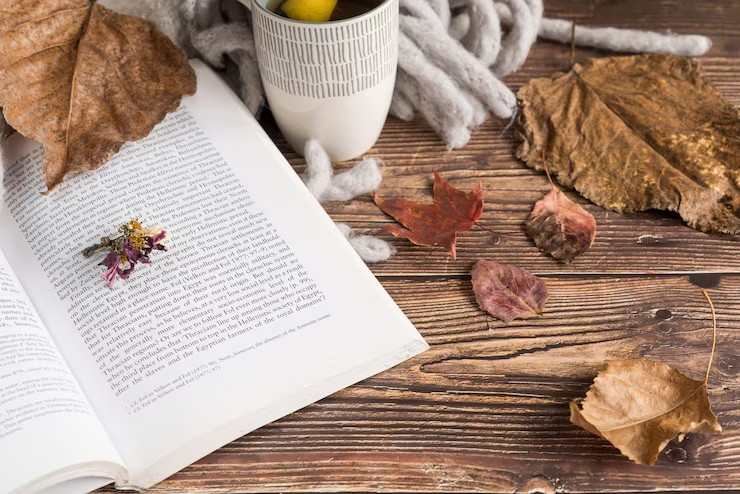
Combining books with natural elements creates a powerful visual aesthetic that conveys calm, connection, and depth. This idea is perfect for those looking to take their book photography sessions outdoors and take advantage of the beauty of natural light. Whether in a forest, garden, open field, or even a terrace with plants, books acquire a different dimension when integrated into organic contexts. This approach is ideal for titles with introspective, poetic, or spiritual themes, but it also works with classics or novels that evoke the essential.
The first step is to choose a location with a visually appealing environment, but without elements that compete with the book. Look for backgrounds such as grass, earth, rocks, dry leaves, or flowers. You can place the book directly on the ground or rest it on tree trunks, branches, or in the hands of someone sitting outdoors. If it’s autumn or spring, take advantage of the surrounding colors to complement the cover or create contrast. Remember: the more natural and spontaneous the scene looks, the greater the emotional impact it will generate.
Lighting is a key factor. The best time for these types of sessions is during the “golden hour,” just after sunrise or before sunset, when the light is warm and soft. Avoid the harsh midday sun, as it creates harsh shadows and unwanted reflections on glossy pages or covers. You can experiment with backlighting if you’re in a forest or use shadows from branches or flowers to add texture and interest to the image. Even if there’s wind, you can capture movement on the pages to achieve a more vibrant feel.
In editing, aim for an organic aesthetic. Enhance green, gold, or earthy tones, depending on your surroundings, and avoid oversaturating to preserve the naturalness of the scene. These types of photos are highly valuable for platforms like Instagram or Pinterest, but they’re also excellent for editorial catalogs or branded content for bookstores with a conscious or eco friendly focus. Furthermore, by creating images in open spaces, you have the opportunity to connect emotionally with your audience, generating a sense of escape or peace that is highly valued visually. A good photo of books in nature can be as evocative as a written page.

3. Color composition: palettes that tell stories


Color based photography is a powerful technique that allows you to convey feelings, moods, and even literary concepts without text. When it comes to books, working with coherent color palettes not only enhances the image’s aesthetics but also reinforces the work’s visual message. This technique involves choosing books, props, and backgrounds that share a common color range or create an intentional visual contrast. It’s an excellent way to unify your portfolio or social media feed.
You can start by selecting a book with a dominant cover color: blue, red, green, beige, etc. Then, look for accessories that complement or contrast with that color. For example, if you’re working with a book with a blue cover, you can include silver objects, white flowers, crystals, or even textures like silk or water to reinforce the feeling of tranquility or introspection. You can also create a monochromatic palette, using only variations of the same hue to achieve an elegant and sophisticated image. The important thing is that all the elements visually complement each other.
This type of photo works beautifully with soft, diffused light. You can work with natural light by a window or use diffusers if you’re outdoors. Shadows should be soft to avoid disrupting the color harmony. You can also experiment with backgrounds made of paper, fabric, or painted surfaces, giving you complete control over the scene. If you’re using several books together, try grouping them by color or aligning their spines to create pleasing visual patterns. Geometry can also be an ally: squares, circles, or lines formed by the books or their decorative elements.
In editing, maintaining color consistency is crucial. Carefully adjust the hue, saturation, and contrast to highlight your palette without distorting the book’s original colors. You can even create custom presets for each color scheme you use. This style of photography is highly valued on social media platforms like Instagram, especially on “Bookstagram” accounts, and also works very well for editorial or commercial content. Mastering color composition will allow you to elevate the aesthetic quality of your photos and position yourself as a visual creator with a clear and professional identity.

4. Photos with people: books in real world context


Including people in your book photos adds an emotional value that no static composition can achieve. The human face, hands, or body holding or reading a book generates closeness, empathy, and realism. This type of photography is ideal for conveying what it means to read: to relax, learn, imagine, and feel. Furthermore, placing books in someone’s hands creates a visual story that brings the object to life, transforming it from something inanimate into a shared experience. It’s an excellent option for lifestyle shoots, editorials, or emotional content for social media.
The key here is naturalness. You can work with models, but ideally, it shouldn’t look like a forced pose. Capture real or simulated moments of reading: someone reading on a bench, sitting in bed, having coffee with an open book, or walking through a park with a book in hand. In many cases, it’s not necessary to show the entire face; focusing on the hands holding the book or a blurred silhouette in the background can be even more powerful. This style conveys closeness, warmth, and authenticity qualities that deeply resonate with the viewer.
The lighting should complement the story. If the scene is intimate, like reading at home, opt for warm, soft lighting. If it’s outdoors, take advantage of the golden hour or find soft shade under a tree. You can also work with window light and play with the contrast of light and shadow for a more introspective effect. Use wide apertures to blur the background and focus attention on the book or the interaction with it. In this type of photo, the emotional direction is as important as the technique: guide your model to truly experience the scene.
Finally, pay attention to the details. Make sure the book is clean, without any distracting reflections, and that the surroundings or clothing don’t detract from the main message. In editing, maintain an aesthetic consistent with the atmosphere of the shot: warm tones for cozy scenes, soft colors for tranquil atmospheres, or high contrast for more intense moments. Photos with people not only humanize your visual content but also amplify the emotional impact and allow you to tell complete stories. In a digital world saturated with images, this type of photography helps you stand out with images that invite you to feel.

5. Vintage or dramatic style: settings with personality
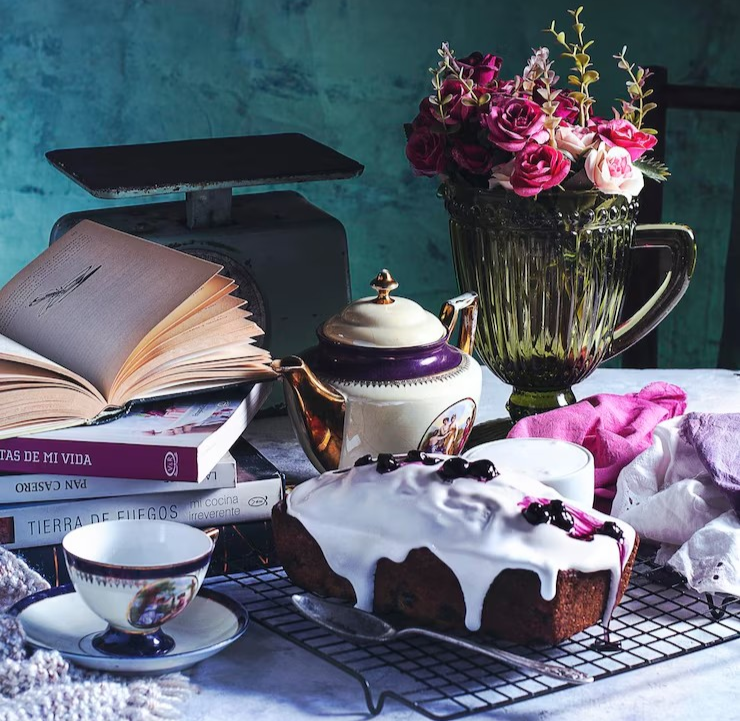
Vintage or dramatic book photography is a powerful way to bring your images to life through setting. This approach goes beyond simply showcasing a beautiful book: it’s about creating atmospheres charged with nostalgia, mystery, or theatricality, where every element in the scene contributes emotion and character. This approach is ideal for classic books, dark novels, poetry, gothic literature, or stories with a strong emotional impact. The key is to construct an image that tells a story without words.
To achieve this, you need to pay attention to three fundamental elements: the background, the lighting, and the props. You can use antique furniture, textured fabrics, candlesticks, pocket watches, porcelain cups, trunks, dried flowers, or even typewriters. The goal is to create a setting with personality, one that invites the viewer to immerse themselves in another era or emotional state. You don’t need expensive objects; what’s important is aesthetic coherence and the intention behind each element. You can also work with muted tones, browns, golds, and grays to reinforce the feeling of antiquity or drama.
Lighting is one of the most crucial elements in this type of photography. Play with intense sidelight, candlelight, or soft light sources that create deep shadows. The interplay of light and shadow adds drama and texture to the scene. You can experiment with Rembrandt style lighting techniques or use a single light source to emphasize contrast. If you use natural light, a window with heavy curtains or a warm lamp can help you create that cinematic effect so characteristic of this style.
In post production, you can apply filters with sepia tones, adjust curves to add depth, or even add textures that simulate old film or worn paper. You can also experiment with subtle blurring and vignetting. This style is highly valued in more classic or alternative reader communities, as well as by publishing brands seeking an artistic and elegant aesthetic. Furthermore, it positions you as a photographer capable of telling a story with visual intent. If you’re looking for a distinctive and characterful approach, vintage or dramatic style book photography will allow you to explore your more artistic and expressive side.
Conclusion
Become a more versatile book photographer. Book photography can be just as artistic, emotional, and powerful as any other photographic discipline. Through these five creative ideas, you have a wealth of possibilities at your fingertips to transform seemingly simple objects into images brimming with intention, style, and narrative. Whether you’re looking to capture warm scenes with people, experiment with color palettes, or build dramatic atmospheres, each technique brings you closer to an authentic and unique visual expression. Beyond framing and lighting, what truly sets a good photograph apart is its ability to tell a story, and books by their very nature are made for that.


