
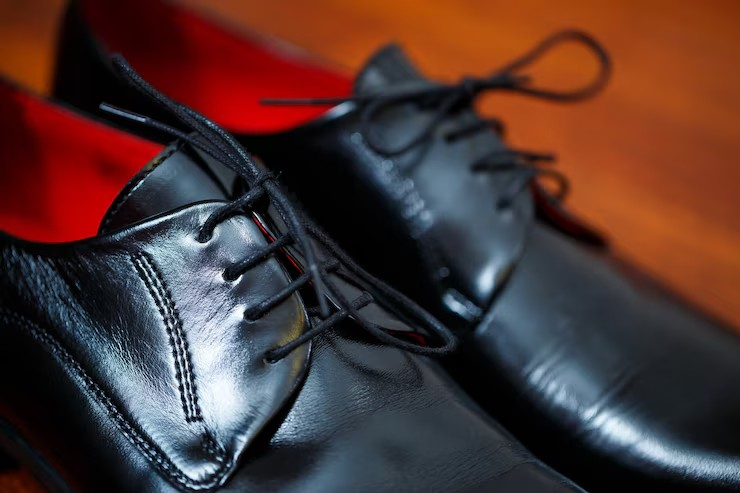
Shoe photography might seem simple at first glance, but it actually requires a precise blend of technique, creativity, and attention to detail. Whether you’re working for a brand, an e-commerce catalog, a fashion editorial, or a small business, making a pair of shoes look appealing in a single image can be the difference between a sale and a simple scroll. Shoes aren’t just accessories: they speak of style, attitude, and personality. That’s why every photo should highlight their design, materials, and essence with visual intent.
In this article, we share five effective and creative ideas for taking eye-catching shoe photos. From working with light to emphasize textures to tips on composition, backgrounds, and visual storytelling, these ideas will be useful whether you’re doing product photography in a studio or prefer capturing footwear in real-life settings. The goal is for your images not only to look good but also to sell, tell a story, and stand out on any platform, whether it’s Instagram, an online store, or an advertising campaign. Get your camera ready and bring each pair to life as if they were the protagonist of a great scene.
1. Highlight materials and textures with side lighting


When it comes to shoe photography, one of the most important aspects to communicate through the image is the quality of the materials. Whether it’s leather, suede, woven fabric, or synthetic materials, each texture has a unique personality that can visually appeal to the consumer if presented correctly. The key to achieving this lies in how you use light, and more specifically, how you leverage side lighting to create volume, depth, and contrast.
Side lighting, whether natural or artificial, it has the ability to reveal textures and details that front lighting tends to soften or flatten. By positioning your light source to the side of the product, you’ll create shadows that accentuate seams, folds, patterns, or subtle variations in the material’s surface. For example, a suede shoe will look much more textured and realistic if you use scratching (almost tangential) light that highlights its surface, while leather will shine with a touch of elegance if you emphasize its reflections with soft, controlled light.
In the studio, you can work with a side softbox, a natural window, or even a portable LED light strategically positioned at about a 45° angle to the product. Use white reflectors or light-colored surfaces on the opposite side of the light to soften harsh shadows and maintain detail in both areas. You can also play with gobos (objects that partially block light) to cast shadows that mimic structures like blinds or branches, creating an editorial feel. If you’re shooting outdoors, position the shoe so the sunlight comes from the side, taking advantage of the golden hours to achieve a warm and inviting tone.
Finally, in post-production, you can further accentuate these textures with adjustments to clarity, local contrast, or selective focus. But be careful not to overdo it: the goal is for the shoe to look real, desirable, and high-quality. Faithfully showcasing materials helps build trust, especially in commercial or e-commerce photography, where the customer can’t touch the product. By mastering the use of side lighting, you’ll be one step closer to creating images that not only capture attention but also sell.

2. Play with creative and contextual backgrounds


The background in a shoe photograph is much more than a neutral backdrop: it’s a narrative tool that can elevate the perceived value of the product. Choosing the right background not only helps you highlight the qualities of the footwear, but it can also communicate style, functionality, season, or even the brand’s personality. A well thought contextual background places the shoe in a visual universe that the customer can imagine wearing, and that has a huge emotional and commercial impact.
For example, if you’re photographing hiking boots, you can place them on rocks, earth, or weathered wood to reinforce their functionality and durability. For elegant heels, you could use marble or velvet backgrounds, or nighttime settings with soft lighting that evoke luxury. Urban sneakers might look best against asphalt, graffiti, or metal structures. The key is to make the background complement the style of the shoe, not compete with it. The color, texture, and saturation of the background should be chosen to highlight the product, not steal the spotlight.
You don’t need a big production to achieve this. You can create backgrounds with fabrics, cardboard, textured surfaces, or well composed everyday objects. You can even use DIY backgrounds with textures like kraft paper, recycled wood, cement, or carpets. The important thing is to maintain visual consistency between the background and the product. To achieve this, study brand references, look at editorial campaigns, and create mood boards before the shoot. This preparation will give you clarity and prevent impromptu decisions that could harm the final result.
In product and fashion photography, contextual backgrounds help connect emotionally with the target audience. Instead of simply showing a shoe, you place it in a scene where it makes sense. Furthermore, these types of backgrounds are ideal for social media and branding, as they make the image more shareable and aesthetically pleasing. If you’re working with more formal catalogs or e-commerce, you can use more neutral backgrounds, but always pay attention to lighting and visual harmony. In all cases, the right background has the power to transform a good pair of shoes into a high-impact commercial image.

3. Use low angles to highlight the footwear


In shoe photography, the angle from which you take the photo can completely change the perception of the product. A low angle, that is, taking the photo from a position close to ground level or even below the shoe, helps to create a sense of presence, strength, and prominence. This technique works especially well when you want the shoe to be the hero of the image, ideal for advertising campaigns, editorial catalogs, or aspirational social media posts.
This type of perspective gives footwear an air of power and style, as it positions it as the dominant focal point. Instead of seeing it as a simple object, we perceive it as part of a stronger narrative. For example, when photographing sturdy boots from below, you can highlight their bulk, sole, and durability. With modern or athletic sneakers, this angle adds dynamism and energy, while with heels or dress shoes, you can accentuate elegance and height. The key is to adapt the shot to the message you want to convey.
To achieve this effect, position yourself as close to ground level as possible, whether handheld, using a low tripod, or even an improvised stand. Use medium apertures (f/4 to f/8) to keep the shoe in focus without completely losing the context. You can also use expansive backgrounds such as open skies, cityscapes, or well-lit interiors to give the subject space and reinforce its presence. Combining this angle with side lighting or soft natural light will further enhance the design’s volume.
This technique isn’t just for studio or outdoor shoots; it also works very well for e-commerce or catalogs if you want to differentiate your visual presentation. Many online stores limit themselves to showing shoes from conventional angles (front, side, and top), so adding an image from a low angle can help you stand out from the competition. Just make sure the background isn’t distracting and that the shoe is impeccable in terms of cleanliness, shape, and presentation. A well thought angle can be the difference between just another image and one that instantly captivates.

4. Include storytelling elements in the composition


A good shoe photo shouldn’t just showcase the product; it should tell a story. Incorporating storytelling elements into your compositions transforms a technical image into an emotional one. This connects much more deeply with the viewer because, instead of simply seeing a shoe, they see a lifestyle, a scene, a personality. Visual storytelling is especially powerful in fashion campaigns, editorials, and social media, where the narrative component can set you apart and add brand value.
Start by defining the story you want to tell: Is it a shoe for traveling? For dancing? For walking around town? For a special occasion? From that central idea, you can add elements that reinforce the context. For example, if you’re photographing ankle boots for cold weather, include a scarf, a steaming mug, or a book; if they’re sneakers, add a backpack, headphones, or a water bottle. The props shouldn’t steal the show but rather visually complement the message. Even the way the shoes are positioned (worn, on a surface, in motion, etc.) can reinforce the narrative.
The setting is also key to storytelling. Shoes in an elegant room tell a different story than the same shoes in a park or a subway station. Lighting can add drama, romance, or energy, depending on the tone you want to convey. You can also use color as a narrative tool: warm tones for cozy stories, cool tones for understated messages, and vibrant colors for more intense emotions. Even without human models, you can create visual scenes that speak for themselves, and this is particularly useful in product photography.
These types of images work very well in digital content campaigns, personal branding, or editorial publications. They not only showcase the shoe but also create an emotional connection with the viewer or potential customer. The story behind the product is often what sparks the desire to buy. So don’t be afraid to experiment, create scenes, or do themed shoots. Incorporating storytelling into your shoe photos not only enhances your portfolio but also positions you as a photographer with vision, intention, and a unique style.

5. Create symmetrical or minimalist compositions for e-commerce
In footwear photography for e-commerce, clarity and visual order are fundamental. Customers need to see the product accurately, without distractions or elements that obscure its details. Therefore, symmetrical or minimalist compositions are the most effective option when selling on digital platforms. This style is not only visually clean but also conveys professionalism and trustworthiness, two key factors in online purchasing decisions.
Symmetry in photography creates harmony, balance, and structure. You can place the shoes parallel to each other, facing one another, or slightly crossed, but always with a clear visual logic. A top-down (from above) or frontal (at the shoe’s eye level) shot usually works best for this type of composition. Make sure to align the frame well, use a flat surface, and maintain proportions. If the footwear has important details on its sole, stitching, or heel, consider including several shots from different angles but within the same compositional scheme.
The minimalist style also involves paying close attention to the background. Ideally, use neutral backgrounds—white, light gray, beige, or soft pastel shades—that don’t compete with the product. Even lighting, without harsh shadows or unwanted reflections, will help highlight the true shapes and colors of the shoes. You can work with diffused natural light or a setup of softboxes and reflectors to achieve a clean and professional result. This type of composition also lends itself to silhouette photos or cutouts with a pure white background, which are highly sought after by online stores.
This approach is especially useful for catalogs, marketplaces, and product ads, where the minimalist aesthetic allows the shoe to be the true star. It also facilitates editing, the creation of mockups, and visual consistency across websites and social media. Minimalist and symmetrical photography doesn’t mean boring: it means precision, focus, and elegance. And in today’s digital world, where users decide in seconds whether to click or keep scrolling, a clean, well-composed, and technically flawless image can be the key to making your product stand out and selling it.

Conclusion
Exploring new ideas for photographing shoes not only improves the visual quality of your work, but also expands your creative vision and allows you to more effectively communicate a product’s value. Each pair has its own story, materials, design, and purpose; your mission as a photographer is to find the best way to showcase all of that in a single image. Whether you work in a studio, outdoors, or with natural light, applying these five ideas, such as using side lighting, contextual backgrounds, or low angles, can help you generate more professional, memorable, and commercially viable content. Best of all, you don’t need a huge budget, just planning, attention to detail, and a willingness to experiment.


