
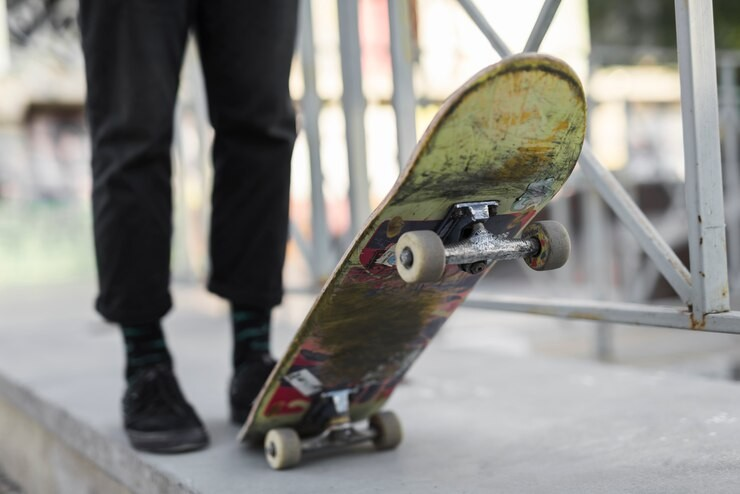
Photographing skateboarding isn’t just about freezing a trick in mid-air. It’s about capturing speed, attitude, style, and all the energy that defines this urban culture. Whether in a park, on the street, or at an impromptu spot, every skate session is an opportunity to tell an intense and authentic visual story. But achieving truly impactful photos requires more than just shooting in bursts: you need technique, timing, and a creative eye that understands the rhythm and essence of the movement.
In this article, we share 5 creative ideas for taking skateboarding photos that combine action and aesthetics. From daring angles to the use of shadows, surroundings, and often overlooked details, these ideas will help you move beyond the typical “trick moment” and create more powerful, expressive, and memorable images. If you’re a photographer, a skater, or simply a street style enthusiast, these techniques will give you the tools to elevate your work and connect with skate culture visually. Get ready to shoot with more intention and capture the adrenaline in every frame.
1. Freeze the trick in mid-air with speed and precision


One of the most powerful scenes in skateboarding photography is that exact moment when the skater floats in the air, board inches from the ground and body fully extended. It’s the point of greatest tension and energy in the trick, and capturing it correctly can transform a simple shot into an image with stunning visual impact. But to achieve this, it’s not enough to just press the shutter at the right moment: you need to anticipate, adjust your technique, and understand the rhythm of the movement.
Working with high shutter speeds is key. We recommend starting at 1/1000 sec and adjusting according to the lighting conditions. If you’re outdoors with good natural light, you won’t have a problem; but if you’re in a more enclosed spot or with harsh shadows, consider using a higher ISO or flash. Activating burst mode on your camera is essential to increase your chances of capturing the exact moment of the trick. Sometimes, the best shot doesn’t happen on the first or last try, but on an unexpected one. Being prepared at every moment makes all the difference.
Location is also fundamental. Try to position yourself so you can see both the board and the skater’s entire body. Three-quarter or profile angles help showcase the trick’s form without flattening the action. A clean background will make the figure stand out more, but if you’re in a skate park or on the street, take advantage of urban elements: railings, walls, crowds, or textures can frame the scene and reinforce the street aesthetic. Also, consider using wide-angle lenses if you want a closer shot without losing context, or telephoto lenses if you need to maintain some distance.
Finally, don’t underestimate the emotional aspect. A good frozen trick not only shows technique, but also captures the skater’s expression, their concentration, the tension in their hands, and the direction of their gaze. All of that communicates something beyond the sport: it speaks of effort, style, and passion. When you manage to balance technique and emotion, you’re not just taking a good skate photo… you’re telling a visual story that resonates with those who live this culture.

2. Use low angles to add strength and drama


One of the most powerful tools in skateboarding photography is changing the perspective from which you capture the action. Shooting from a low angle—practically at ground level—allows you to emphasize the height of the trick, the skater’s airborne performance, and the relationship between the body and the surrounding space. This perspective conveys drama and energy, placing the subject in a dominant visual position, resulting in more intense and impactful photos.
Lying down on the ground or positioning the camera very close to the ground (even with a mini tripod or using a flip-up viewfinder) can help you achieve a more immersive composition. From this position, obstacles like rails, ramps, or ledges appear larger and more imposing, and the background clears up, leaving the skater high in the air or silhouetted against buildings, trees, or urban structures. This approach is ideal for capturing high-flying tricks like ollies, flips, or transfers.
Additionally, using a wide-angle lens from below can accentuate the sense of depth and movement, especially if the skater is coming directly toward the camera. But be warned: this type of shot requires care and a lot of coordination. Make sure you communicate with the rider, explain where you’ll be and what angle you’re aiming for to avoid accidents. Some photographers even mount their camera on the ground with a remote trigger to minimize risks and gain stability.
This type of framing also helps build a strong visual aesthetic that connects with skate culture: rebellious, intense, and grounded. If you combine low angles with good lighting and a clean composition, you can get cover-worthy images. Don’t be afraid to get your elbows or knees dirty: being on the ground isn’t just a technical skill, it’s also a visual statement. It’s about being on the same level as skateboarding… from the ground to the sky.

3. Incorporate the urban environment as part of the story


Skate photography isn’t just about the trick or the skater. The environment plays a fundamental role in the visual narrative. Streets, broken sidewalks, graffiti-covered walls, rusted railings, or industrial structures aren’t just backgrounds: they’re part of skate culture. Consciously integrating these elements into your composition reinforces the message, provides context, and connects your image to the authentic aesthetic of the urban skater.
Take advantage of the city’s architecture to frame your shots. For example, a wallride in front of a mural or a trick on a bench with a classic building in the background can create a very attractive visual contrast. Look for vanishing points on sidewalks, bike paths, or stairs that draw the eye to the subject. Even if there’s no action happening at that moment, a good location can carry a powerful photo on its own. The city is a perfect canvas for telling the story of skateboarding visually.
Pay attention to the details that make each spot unique: the textures, the faded colors, the signs, the posts, the passing cars, or the glances of onlookers. These elements add life to the image and tell what isn’t seen in the trick itself: the atmosphere, the neighborhood, the improvisation of the moment. The best skate photos don’t just document a technical move, but everything that surrounds it, and that includes the chaos and character of the street.
Furthermore, when you incorporate the environment, your photograph gains documentary value. You’re capturing not just an action, but a real moment within a vibrant urban space. This not only adds artistic value, but also makes it more appealing to brands, media outlets, or editorial projects seeking authenticity. So the next time you go out to photograph skateboarding, remember: the city skates with you. You just have to look beyond the trick.

4. Capture portraits after the trick: sweat, laughter, tension


While tricks are the heart of skateboarding, the moments between a fall and a perfect landing also deserve to be photographed. Capturing candid portraits right after a trick when the skater laughs, takes a deep breath, dusts themselves off, or simply sits down to rest—can give you powerful images that showcase the most human and authentic side of this culture. These are genuine moments that connect with the person on the other side of the camera.
Unlike action shots, these portraits don’t require speed, but rather observation and empathy. Pay attention after each attempt: that’s where real expressions of frustration, excitement, pride, or exhaustion often emerge. The sweat on the forehead, the hand adjusting the cap, the gaze at the spot that resists… all of that tells a story. This type of photo works perfectly to conclude a narrative series or to accompany an article, an editorial project, or personal content.
You can work with close-ups (faces, hands, body details) or wider portraits that also show the skateboard, the scratched deck, the worn sneakers, or the urban background. Use wide apertures to blur the background and focus attention on the skater. Soft natural light (like late afternoon) is ideal for these portraits because it softens features and creates an intimate atmosphere. Everything doesn’t need to be perfectly lit or composed: what’s important is that it feels real.
These kinds of images give soul to your photo series. They speak of the effort behind each trick, the camaraderie at the skate spot, the physical exertion, and the emotional connection with the board. While they aren’t the photos that scream “action,” they are the ones that tell the most “story.” Including these portraits in your work as a skate photographer not only enriches your portfolio but also connects you more deeply with the community you’re portraying.

5. Play with light, shadows, and reflections at sunset
Light changes everything, and in skate photography, capturing the perfect time of day can transform an ordinary session into a visually powerful series. Sunset—also known as the “golden hour”—is one of the most magical times to capture photos. The light is warm, low, and directional, creating long shadows, soft reflections, and contrasts that fill any spot with atmosphere. In these kinds of sessions, the trick matters, but the environment and the light elevate it.
You can use direct sunlight to create silhouettes as the skater soars through the air or let the shadows cast on walls or the ground tell their own story. You can also play with reflections in puddles, glass, metal, or smooth surfaces. Even if the trick isn’t perfect, a well-lit composition can give you a spectacular photo. If you combine a striking pose with sunlight filtering through buildings or trees, you’ll have an image with both visual and emotional impact.
This type of light also works very well for capturing more artistic shots. You can use wider framing, include elements of the sky or cityscape tinged with orange and red, or simply let the light paint the edges of the body and board with a warm halo. You can even combine natural light with an artificial light source (like an external flash) to freeze the motion and maintain the ambient warmth. It’s an advanced trick, but it yields incredible results.
Photographing skateboarding at sunset is an invitation to experiment, to move beyond the strictly technical and seek more narrative compositions. It’s about capturing not just the action, but the feeling of freedom, the end of the day, the community in the park. These photos work excellently for portfolios, campaigns, social media, or editorial publications. And the best part is that you don’t need a lot of equipment: just patience, creativity, and being in the right place as the sun goes down.

Conclusion
Much more than skateboarding: photographing with soul and vision. Photographing skateboarding is an intense visual experience that demands technique, attention to detail, and above all, sensitivity to tell real stories. The five ideas we share in this article will help you go beyond the classic trick and create images that connect with skateboarding culture authentically: its energy, its aesthetic, and its community. From low angles to plays of light at sunset, each technique allows you to capture not only the movement, but also the emotion and identity of those who experience it.


