
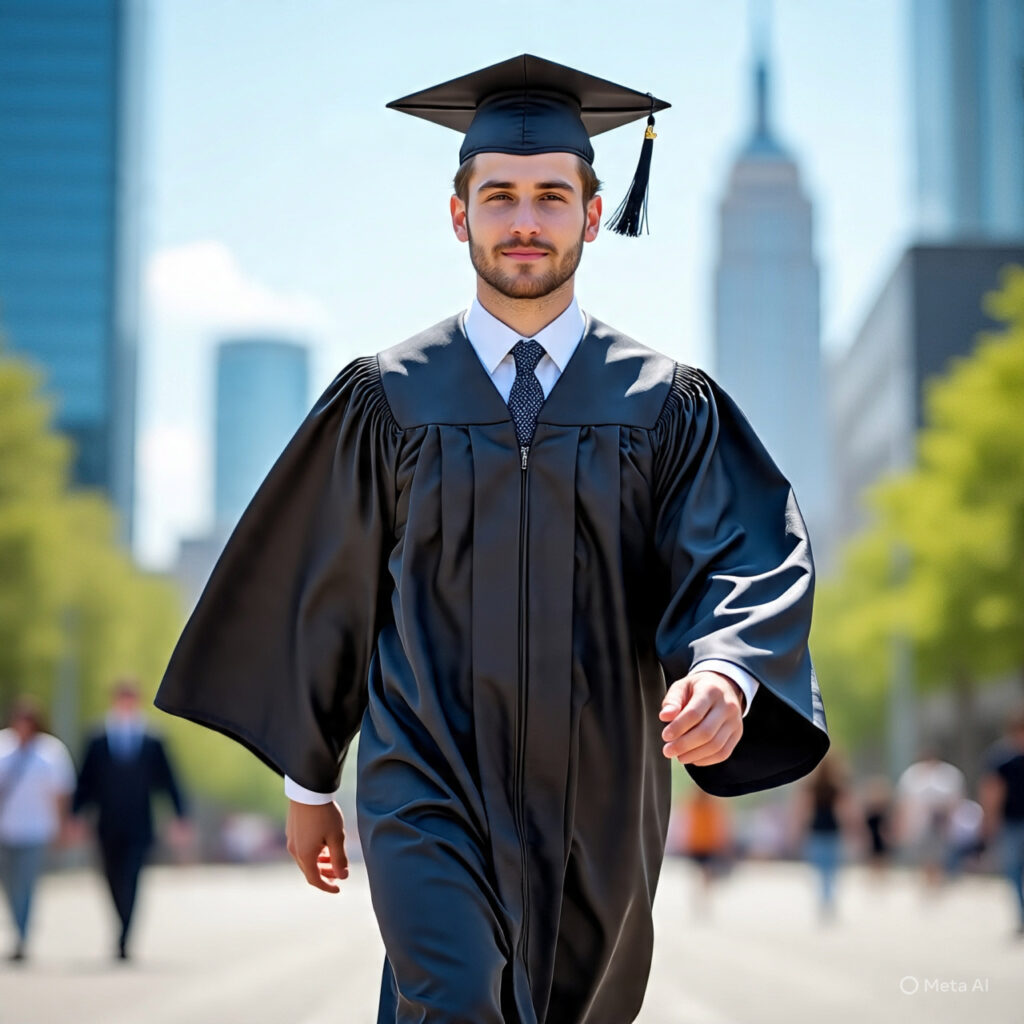
Graduation season is fast approaching, and with it comes one of the most anticipated moments for students and families: the graduation photo shoot. These images are not just a keepsake; they are also a way to immortalize years of effort, perseverance, and dreams fulfilled. Graduation photos become a tangible symbol of the closing of one chapter and the beginning of another, and for that reason, they deserve to be planned in detail. It’s not enough to choose a good photographer or an attractive setting; the real difference lies in the poses.
Often, graduates feel insecure in front of the camera, unsure of how to stand, what to do with their hands, or how to convey the overwhelming emotion they feel inside. That’s where well-thought-out posing ideas come in, guiding not only physical posture but also the visual narrative of the photo. A well-executed pose can reflect pride, gratitude, joy, and even a touch of personality, transforming the image into a unique piece that will hold sentimental value for decades.
This article offers five graduation photo pose ideas that stand out for their balance between classic and creative. From the traditional pose with cap and gown in hand to more dynamic options that convey freedom and enthusiasm, each suggestion is designed to inspire graduates and help them capture who they are at this important moment in their lives. Beyond aesthetics, the goal is to capture emotions, tell stories, and offer memories that feel as vivid as the day of the ceremony.
1.The traditional pose with the graduation cap in hand

When it comes to graduation photos, there’s one pose that never goes out of style and has become a true classic: holding the graduation cap in your hand while looking confidently at the camera. This image is undoubtedly one of the most representative, as it conveys solemnity, pride, and self-assurance. By choosing this pose, the graduate not only displays the quintessential academic symbol but also projects their personality in an elegant and timeless way.
One of the great advantages of this pose is its versatility. It can be done in different settings: in front of the institution’s main building, in a green area on campus, in an urban space, or even in a photo studio with a neutral background. Each environment adds a distinct touch to the image. For example, if taken on campus, it evokes a sense of belonging and nostalgia; while in a studio, the photograph takes on a more sober and formal character.
The cap in hand becomes the focal point of the composition, as it’s the object that immediately identifies the graduation context. The way you hold it also makes a difference: some choose to place it at the side of their body, others prefer to raise it slightly to chest level, and there are even those who hold it casually while smiling. These variations allow you to personalize the pose without losing the traditional touch that characterizes it.
Facial expression is another key element. A broad smile communicates joy and gratitude, while a more serious gaze can project maturity and determination. In both cases, the important thing is that the pose reflects authenticity and feels natural. Finally, playing with lighting is fundamental: taking advantage of the light of the setting sun or a good frontal light source can highlight the details of the gown, the face, and the mortarboard, achieving a much more professional result.
2. Throwing the graduation cap away
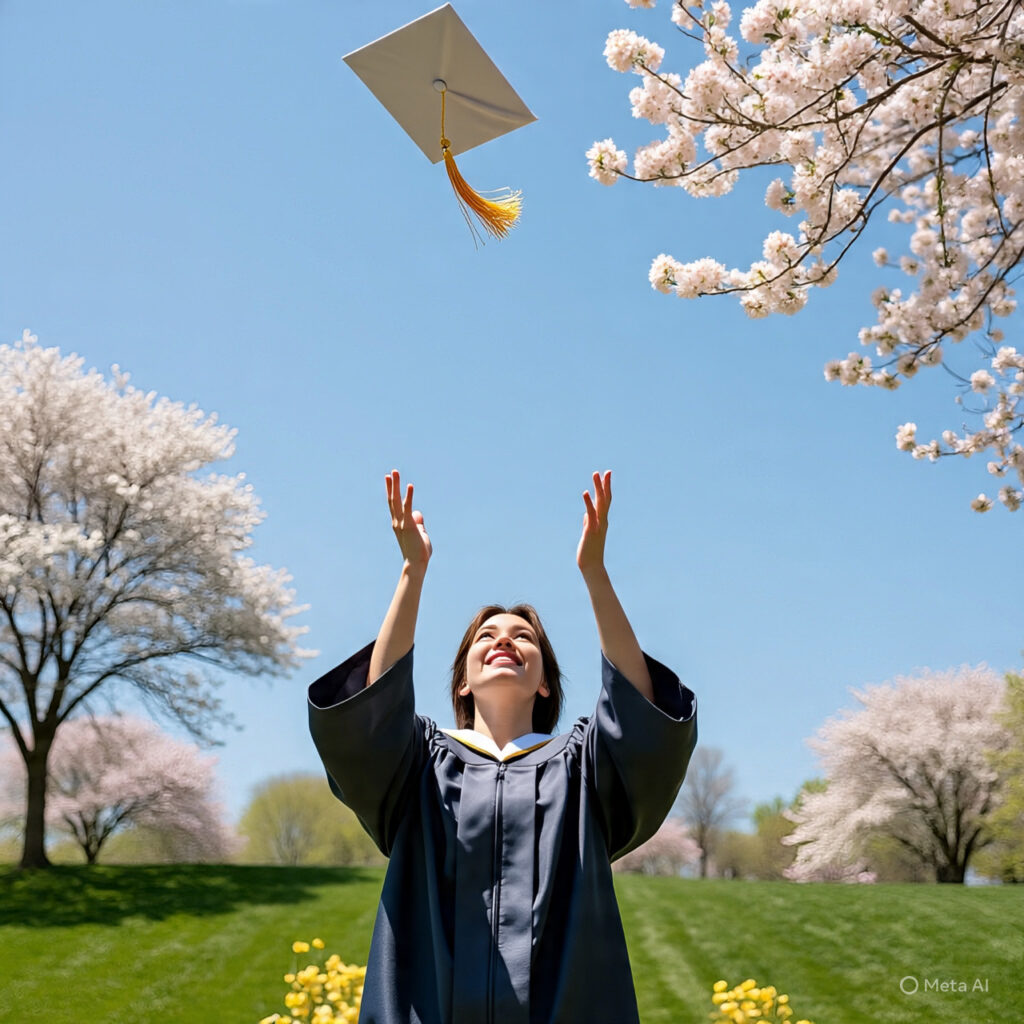
Among all graduation photos, there’s one that perfectly captures the emotion of the moment: throwing the graduation cap into the air. This gesture, laden with symbolism, represents freedom, joy, and the beginning of a new chapter. It’s the image that encapsulates the celebration of years of effort and dedication, becoming one of the most iconic and memorable shots.
To achieve this pose, it’s ideal to plan ahead. If it’s an individual photo, the photographer must be ready to capture the exact moment the cap reaches its highest point, as the graduate gazes at it with an expression of pride and satisfaction. For a group photo, the challenge is greater, as the goal is to synchronize all the graduates so they throw their caps at the same time, creating a striking visual effect. This type of photo also conveys collective energy, unity, and the shared emotion of achievement.
The setting also plays an important role. Taking the photo outdoors, with a clear sky or a sunset in the background, enriches the composition and adds drama. Weather permitting, you can even experiment with more creative perspectives, such as capturing the photo from below, with the caps rising into the air as the graduates’ smiles look upwards. This type of framing enhances the sense of movement and dynamism, two characteristics that make the image stand out.
As for the graduate’s attitude, it’s not just about throwing the cap, but about letting the emotion show through their body language: raising their arms enthusiastically, smiling broadly, or even laughing spontaneously. These small expressions transform the pose into a vivid and authentic memory.
There’s no doubt that the cap-throwing photo is a favorite for sharing on social media, printing in albums, or framing as part of family keepsakes. It’s a timeless symbol of triumph and celebration, and that’s why it remains a must-have in any graduation photo session.
3. Sitting down with the diploma
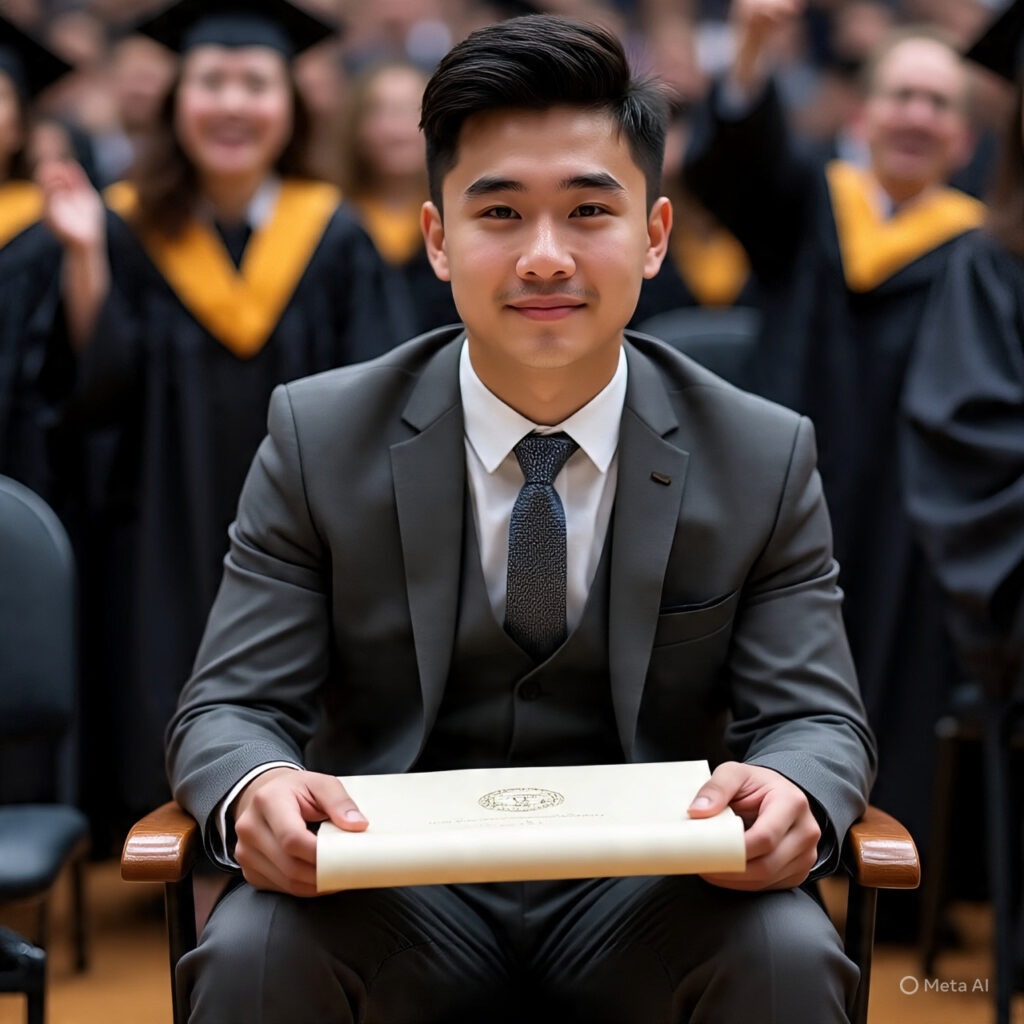
Among the various ways to photograph a graduation, there’s one pose that conveys tranquility, pride, and a sense of connection: sitting with the diploma in hand. This photograph, while more understated and relaxed than others, holds great symbolic value, as the diploma represents the tangible result of years of effort, sacrifice, and perseverance. By holding it, the graduate not only holds a piece of paper but also all the achievements that led them to this day.
The essence of this pose lies in its naturalness. Being seated softens the posture and allows for a more personal glimpse into the graduate’s life. It can be taken in different settings: on the university steps, on a campus bench, in front of a commemorative mural, or even in a natural space surrounded by trees. Each environment provides a distinct context: the steps symbolize ascent and the attainment of goals; a bench reflects calm and rest after an academic journey; while a natural setting can be associated with growth and new opportunities.
The diploma should be the focal point of the composition. It’s recommended to hold it firmly so that it’s clearly visible to the camera. Some variations include placing it on your lap while gazing at the horizon, holding it with both hands close to your chest as a symbol of pride, or resting it on one knee while smiling directly at the camera. These small variations allow each photograph to have a unique and personal touch.
As for facial expressions, you can play with different nuances. A broad smile communicates satisfaction and gratitude, while a reflective gaze can convey maturity and an air of introspection about what it means to reach this point. The key is that the pose reflects authentic emotions and doesn’t feel forced.
This type of photo is ideal for those seeking a more intimate and timeless keepsake. It’s perfect for printed albums, decorative frames, or even for sharing on social media with a heartfelt message about the closing of a chapter. Its simplicity is what gives it power, making it an essential pose in any graduation photoshoot.
4. Walking into the Future
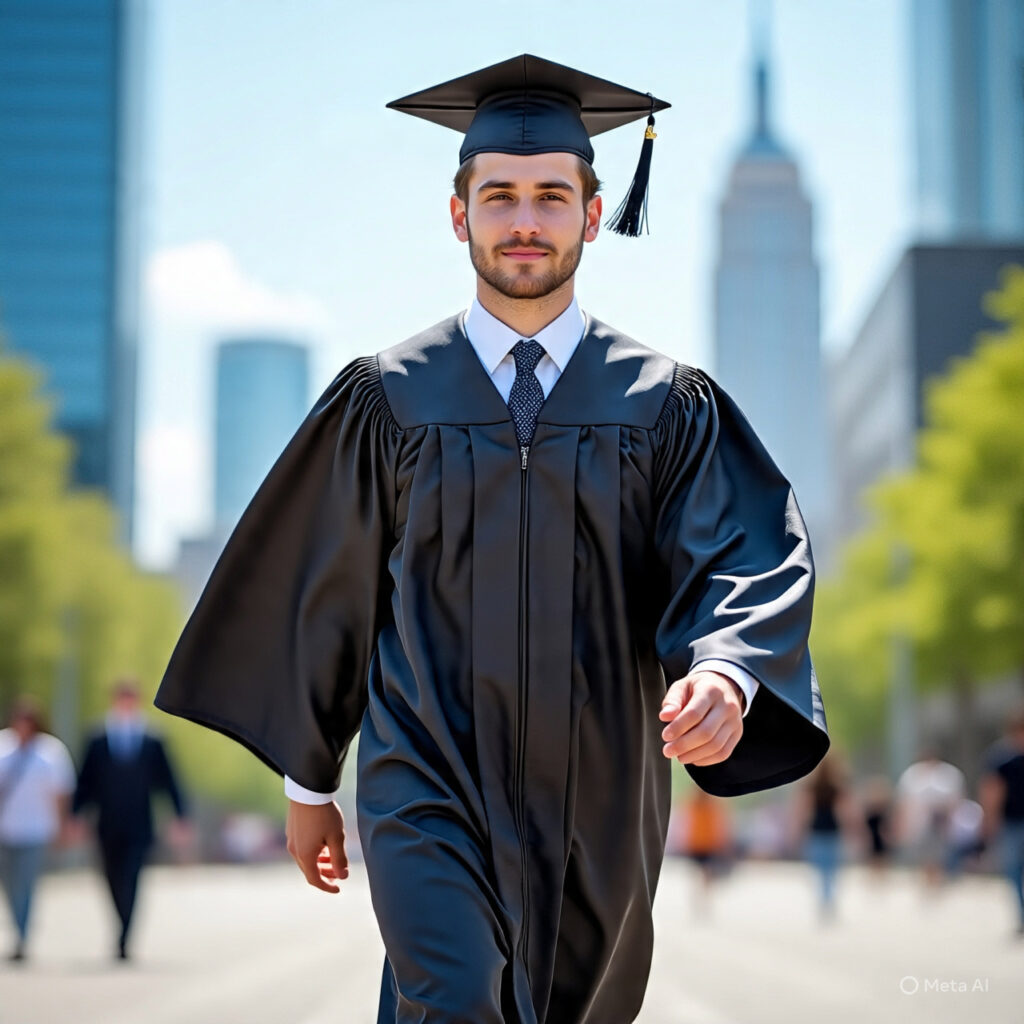
One of the most inspiring poses for a graduation photoshoot is one that represents movement: walking toward the camera or forward with a confident stride. This image not only conveys dynamism but also symbolizes progress toward new stages, overcoming challenges, and the determination to continue building the future. It’s a pose that projects confidence, optimism, and self-assurance—qualities that accompany the graduate in this new chapter of their life.
The secret to this pose lies in its naturalness. As you walk, your posture changes spontaneously: the gown moves with the air, the mortarboard can tilt slightly, and your arms swing freely with each step. This combination of elements creates a much more organic composition than a static pose. For this reason, this style of photography feels modern and fresh, ideal for those looking to stand out from traditional images.
There are different ways to personalize this idea. One option is to walk directly toward the camera, looking into the lens with a slight smile, which conveys approachability and confidence. Another option is to gaze at the horizon while walking, reflecting a thoughtful attitude and projecting the symbolism of looking ahead to what’s to come. The graduate can hold the diploma in one hand, reinforcing the message of achievement, or hold the cap in a relaxed manner, giving a more casual air.
The setting also adds value. Walking down a university hallway, a tree-lined path, a wide open space, or even an urban area can make all the difference in the photograph’s visual narrative. If taken outdoors, taking advantage of natural light is key: a sunset can create a warm and hopeful atmosphere, while morning light brings freshness and vitality.
This type of pose is ideal for conveying the essence of the transition between what ends and what begins. It’s a photograph that combines aesthetics and meaning, perfect for those who want to show that graduation is not an end point, but a new beginning full of possibilities.
5. Group Photo with friends

Graduation photos wouldn’t be complete without those shared with friends and classmates. After all, the academic experience isn’t built solely in the classroom, but also through the bonds and friendships forged along the way. A group photo represents unity, camaraderie, and shared memories, becoming an invaluable keepsake that evokes laughter, anecdotes, and unique moments.
The most important aspect of this pose is conveying authenticity. Unlike an individual photo, the goal here isn’t to highlight a single person, but rather to capture a collective experience. You can opt for a formal portrait, where all the graduates stand in neat rows wearing caps and gowns, or for a more relaxed shot, where classmates hug, laugh, or raise their diplomas together. This second option tends to be more emotional, as it reflects the genuine joy of sharing the achievement with those who were present throughout the academic journey.
The setting also influences the visual narrative. A photo taken in front of the institution’s main building conveys solemnity and institutional pride, while one taken in an open space, such as a garden or esplanade, achieves a fresher and more dynamic feel. Another creative alternative is to take the photo in motion, such as walking together toward the camera or tossing graduation caps simultaneously, generating an image full of energy and vitality.
Facial expressions are fundamental in this type of photo. Naturalness is key: spontaneous smiles, shared laughter, or knowing glances convey much more than a rigid pose. Even physical contact—hugs, hands on shoulders, or celebratory gestures—adds closeness and warmth to the image.
This style of photography is one of the most meaningful because it encapsulates what student life is all about: not only learning, but also friendship and community. It’s an image that, over the years, will have immeasurable emotional value, as it will remind us of those who shared efforts, sleepless nights, and achievements together.
Conclusion
Graduation season is a time for celebration and visual memory. Each photograph captured during this time becomes a piece of personal history that, over the years, acquires even greater value. More than just images, graduation photos are symbols of effort, discipline, and shared achievements. Each pose chosen reflects not only the graduate’s identity but also the emotion of the moment, the bond with classmates, and the satisfaction of having reached an important goal.
The five ideas presented throughout this article are an invitation to look at graduation photography from different perspectives. The traditional pose with the cap in hand evokes solemnity and academic pride, while the cap-tossing gesture projects the joy of closing a chapter. On the other hand, the family photo highlights the unconditional support that accompanies each achievement, and the creative or spontaneous pose gives space to the individuality and authenticity of each student. Finally, the group photo with friends encapsulates the sense of community and the value of the relationships built along the way.
Ultimately, it’s not just about posing for a camera, but about understanding that each photograph is a testament to a unique and unrepeatable moment. Graduation doesn’t happen every day, and every detail—from the gesture to the chosen setting—adds meaning to the visual memory being created. In this sense, intentionally planning poses and locations is an act that guarantees the images will not only be beautiful, but also meaningful.
The final recommendation is to dare to combine the formal with the spontaneous, the traditional with the creative. In this way, graduation photos become complete memories: a balance between academic pride, shared joy, and unique personality. They are, ultimately, portraits of an achievement that marks the beginning of new opportunities and challenges.


