
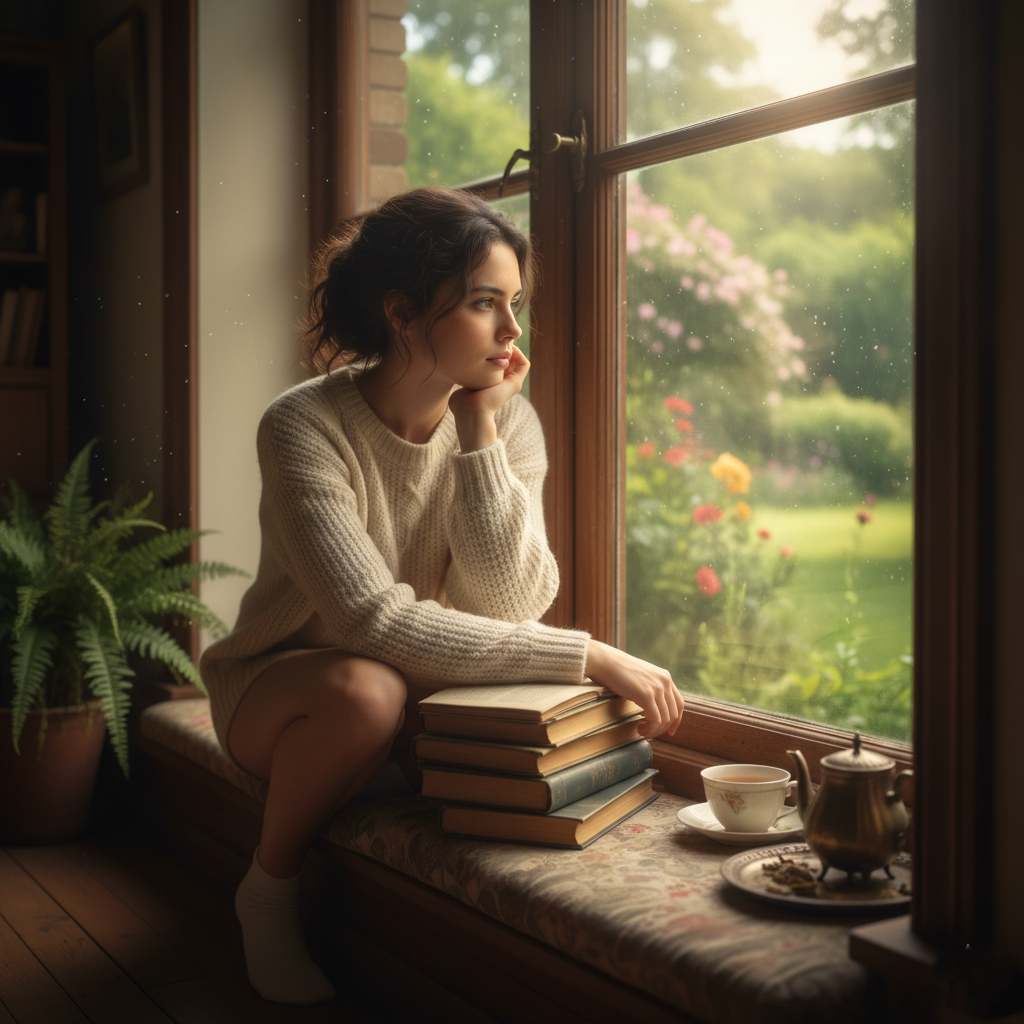
Window photography has become an increasingly popular trend among photographers and visual aesthetics enthusiasts. Windows offer an intimate setting, filled with natural light, textures, and reflections that lend each image a special atmosphere. They are not only an architectural element but also a metaphor for introspection and connection with the outside world. From a simple glance out to a more creative pose among the curtains, each shot can convey different emotions: calm, nostalgia, hope, or mystery.
Photographing at windows involves mastering light and pose. Side or front lighting can accentuate features, create depth, and highlight the naturalness of the moment. A window with translucent curtains, frosted glass, or antique frames adds character and personality to the scene. Furthermore, it allows you to play with the contrast between interior and exterior, generating images that tell stories without words.
These photographs are ideal for artistic portraits, casual home sessions, college portraits, couple sessions, or self-portraits with an emotional touch. Each pose allows you to explore the relationship between the person and the light: how they observe it, touch it, or allow themselves to be enveloped by it. These kinds of images invite contemplation and a connection with oneself, making each capture more than just a simple photograph: a sensory experience.
1. Looking outside with thinking expression
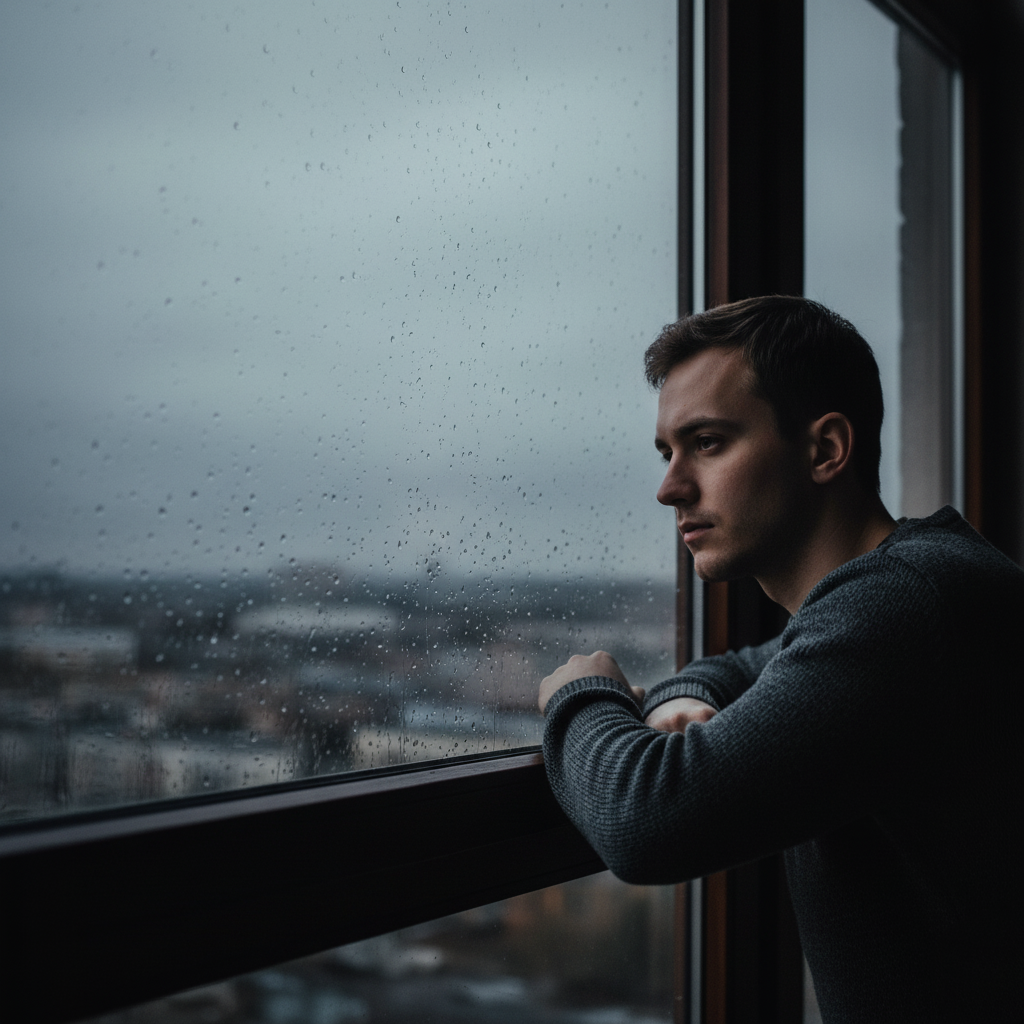
One of the most captivating poses for a window photo is one where the subject gazes outwards, as if searching for something beyond the glass. This pose conveys reflection, melancholy, and serenity. It’s not about looking directly at the horizon, but rather about losing one’s gaze on an undefined point, allowing the natural light to caress the face and highlight a genuine expression. It’s a perfect pose for those who wish to project emotional depth or a sense of introspective calm.
The key is naturalness. The shoulders should be relaxed, the body can be slightly leaning towards the frame, and the hands resting gently on the windowsill or legs. If the light comes from the side, even better: it will create a delicate contrast between the illuminated areas and the shadows, adding texture and volume to the portrait. This pose can also be combined with an open window to let a breeze move the hair or clothing, adding a touch of movement to the stillness of the scene.
The background plays an important role. A cityscape, a verdant landscape, or even rain pattering against the window can reinforce the visual story being told. Ideally, the focus should remain on the face and the direction of the gaze, using the depth of the surroundings as an emotional accompaniment. This pose, though simple, has the power to transform a photograph into an invitation to think and feel.
2. Lean on the frame with confidence and style
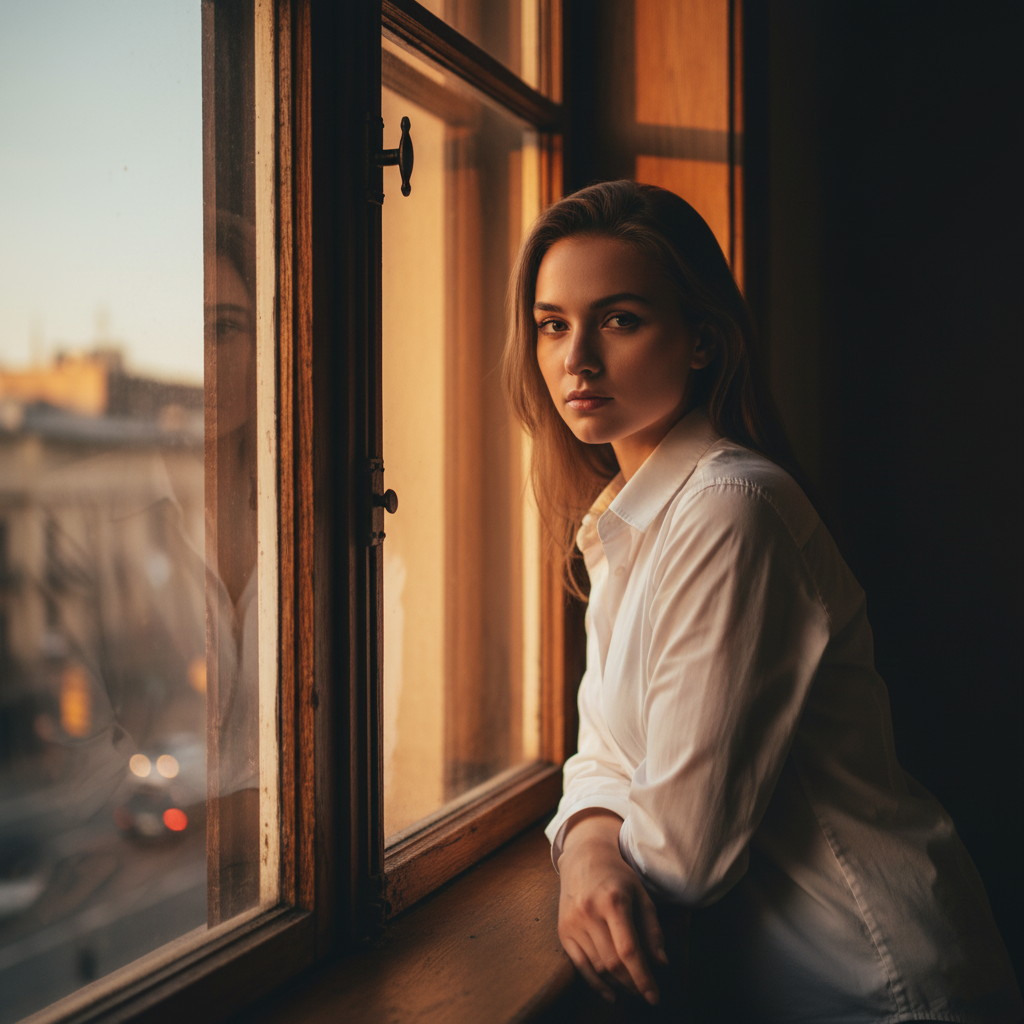
While many photos taken at windows evoke serenity or introspection, you can also capture images full of strength and confidence. An excellent way to achieve this is to lean directly against the window frame, projecting a confident, modern, and elegant attitude. This pose combines the structure of the environment with the energy of the body, creating a balanced and powerful composition.
For the best results, the subject can position themselves slightly sideways, with one arm resting on the edge of the frame and the other hand on their waist or in their pocket. The gaze, in this case, can be directed toward the camera or slightly downward, depending on the intention of the portrait. If a sophisticated look is desired, direct eye contact creates impact; if something more natural is desired, looking at a point outside the frame adds spontaneity.
Clothing also plays a role: a white shirt, a blazer, or even a chunky sweater can complement the aesthetic of the window and reflect different moods. Light entering from the side can enhance the contours of the face and body, better defining lines and shadows. The key is that the pose feels confident, yet relaxed, as if the window were a natural extension of the surroundings and the body fit harmoniously within it.
This pose is ideal for editorial portraits or personal sessions that aim to highlight the model’s presence. It combines elegance and naturalness, demonstrating that strength can be expressed through stillness.
3. Sit on the windowsill and let the light speak.
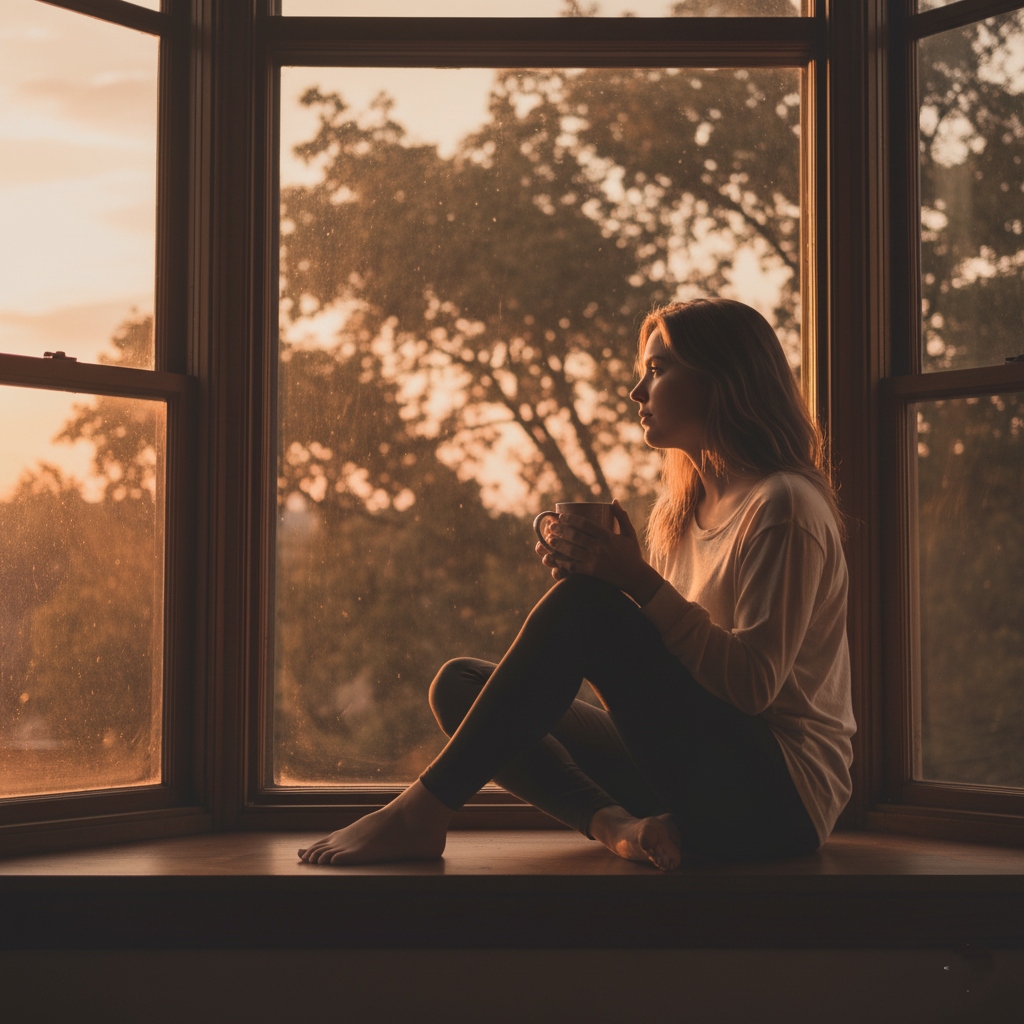
One of the most beautiful and natural poses in front of a window is sitting on the windowsill or edge, allowing the body to relax as the natural light caresses the skin. This position conveys tranquility, freedom, and an intimate connection with the surroundings. It doesn’t seek drama, but rather authenticity; it’s ideal for portraits that aim to capture the essence of a moment without artifice.
To achieve a visually appealing image, the person can sit with one leg bent and the other extended, or cross their legs in a relaxed manner. Their hands can rest on their knees, play with a strand of hair, or hold a cup, a book, or some other object that adds a story to the photo. The key lies in the natural posture and taking advantage of the light—that silent ally that defines the atmosphere of the image.
When the sun enters gently, during the early morning hours or at sunset, the golden light becomes the protagonist. It creates a warm and enveloping effect that can highlight the textures of hair, clothing, and skin. In interiors with large windows, the contrast between the brightness of the outside and the dimness inside can create a poetic, almost cinematic composition.
This pose is perfect for conveying serenity, reflection, or well-being. It’s the image of someone pausing for a moment to enjoy the silence and calmly observe the world.
4. Reflections on the glass for an artistic Photo
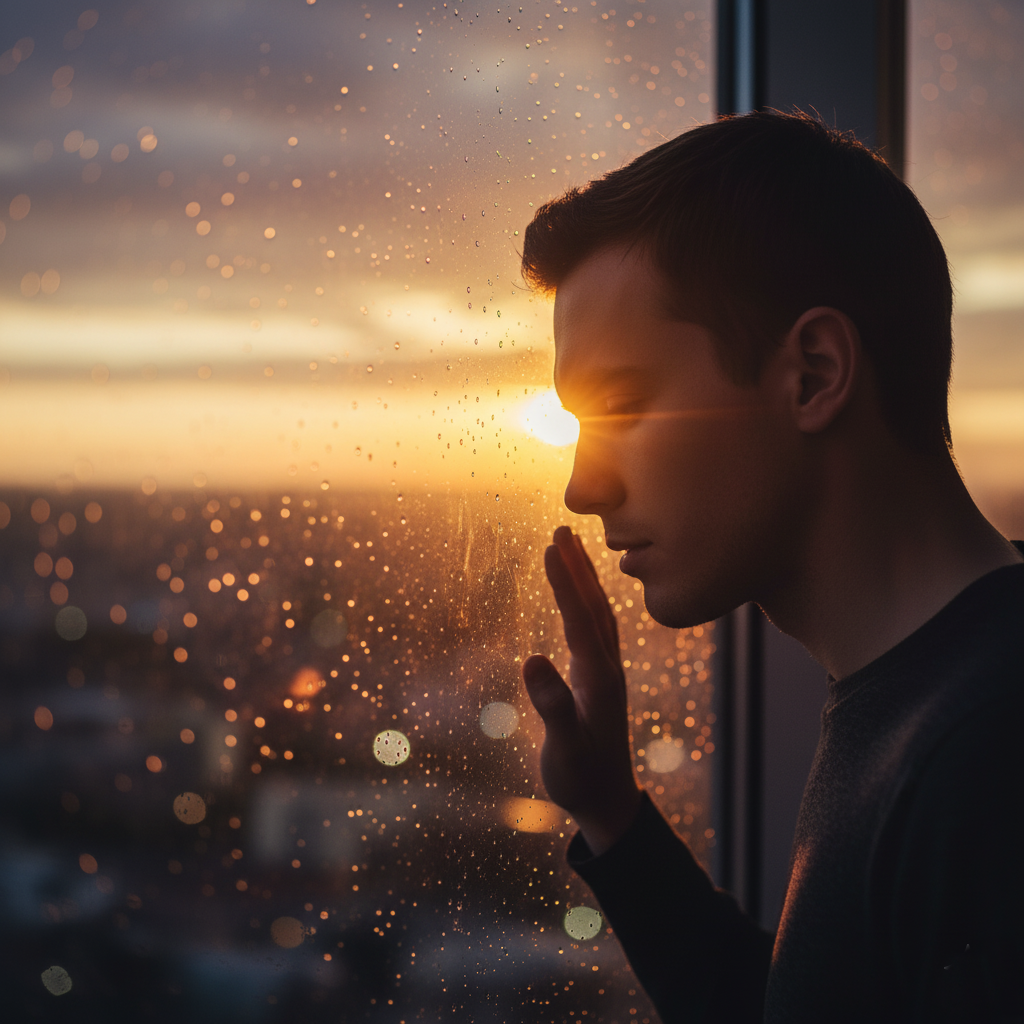
Windows serve not only as a source of natural light but also as a canvas where reflections can take center stage. One of the most artistic and evocative poses involves using the glass to play with the duality of the image: the face and its reflection coexist in the same scene, creating a sense of emotional and aesthetic depth. This pose invites the viewer to look more than once, to discover the story hidden among the light, transparencies, and gestures.
To achieve this, the model can slowly approach the glass, tilting their head just enough so that their face is clearly reflected. The gaze can be directed toward the reflection or lost in the distance, as if contemplating themselves in another time. The hand can rest on the glass or gently brush against it, conveying a symbolic connection between interior and exterior, between the visible and the intangible.
Light plays an essential role here: it should be soft, from the side, or from the setting sun to avoid harsh glare and allow the reflection to maintain its definition. You can also experiment with raindrops, dust, or condensation on the glass, elements that add texture and emotion. This pose is ideal for introspective portraits, editorials, or personal photoshoots, where the photography seeks more than just beauty: it aims to tell a story.
5. Between curtains and light
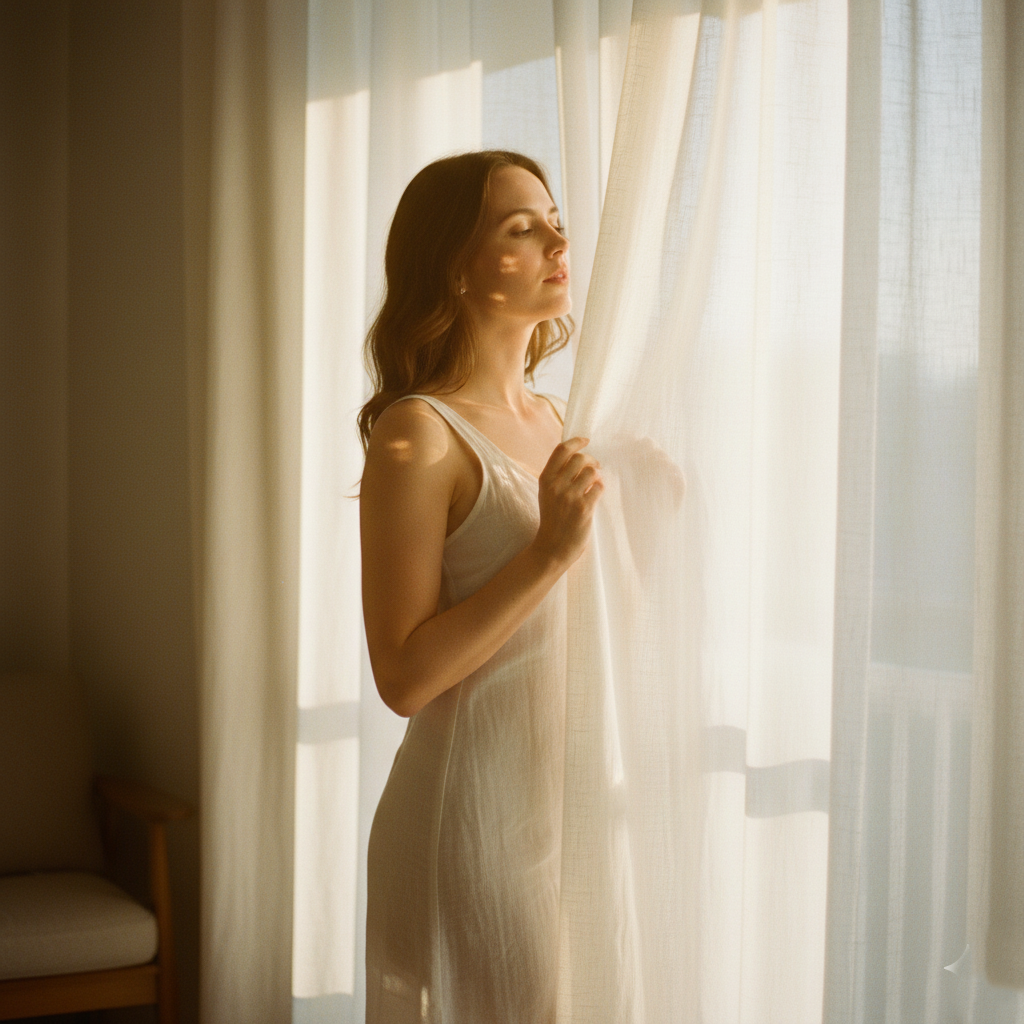
One of the most charming and evocative poses for window photos is one where the subject is enveloped by the curtains, allowing the light to gently filter through the folds. This scene has an intimate and poetic quality; it combines the delicacy of movement with the magic of natural light. The pose doesn’t require grand gestures, just a sincere connection with the surroundings, where the person and the light seem to dance in a silent complicity.
The ideal posture can vary: standing, leaning slightly towards the glass, or sitting with the curtains caressing the shoulders. The most important thing is to let the fabric become part of the composition, concealing and revealing at the same time. This visual ambiguity awakens curiosity and emotion in the viewer. Fingers holding the edge of the curtain, a subtle gaze from the shadows, or a barely illuminated profile can say so much without words.
The key to this pose lies in the lighting. A window with side or diffused light, especially during the early hours of the day, will allow you to achieve a soft and enveloping effect. White or neutral tones in the clothing enhance the purity of the scene, while a semi-transparent fabric adds texture and depth. This pose is perfect for those who wish to project tenderness, mystery, and elegance in a single image.
Conclusion
Windows are more than just openings to the outside world; they are portals that connect light with emotions, silence with a gaze, and the everyday with beauty. Every pose in front of a window holds a different story, a unique way of reflecting who we are or what we feel at a particular moment. From the introspection of someone gazing at the horizon to the serene strength of someone leaning confidently against the frame, these images remind us that light and shadow can be perfect partners in storytelling without words.
Photos taken at windows invite contemplation. The light that enters not only illuminates but also shapes the character of the portrait; it reveals nuances, leaves subtle traces, and transforms the ordinary into the poetic. It doesn’t matter if it’s an urban setting, a vintage interior, or a modern room: what makes each shot special is the connection between the person and the atmosphere. The pose, the reflection, the texture of the glass, or the movement of the curtains intertwine to create a vibrant, authentic, and emotionally honest composition.
Exploring different poses in this context not only enriches the photographs, but also the relationship between the photographer and the model with natural light. A window thus becomes a creative tool, a changing stage that allows one to capture the delicacy of a thought or the power of a look.


