
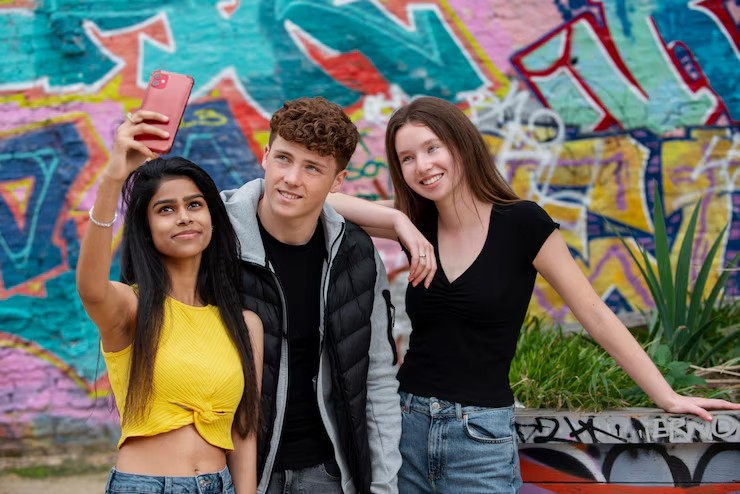
Photographing young people is about capturing a stage of life brimming with energy, expression, and authenticity. Whether for a clothing brand, social media content, school campaigns, or personal projects, photos of young people should convey more than just style: they should tell real stories, reflect personality, and connect with a visually discerning generation. In these types of sessions, spontaneity and capturing the feeling of the moment are key, but so is knowing how to create a modern, fresh, and intentional aesthetic.
In this article, we share five practical and creative ideas for capturing photos of teenagers or young adults that feel natural, original, and aesthetically powerful. We’ll talk about locations that enhance the image, poses that speak volumes, stylish styling, objects that provide context, and editing touches that make all the difference. Whether you’re working for a youth brand, building a portfolio, or simply looking for ideas for a fun and stylish shoot, these recommendations will give you the creative boost you need. Ready to capture the essence of youth in every image? Join us.
1. Use locations with identity: graffiti, skateparks, or real rooms


When it comes to youth photography, the location isn’t just a backdrop: it’s an active part of the visual language. Young people express themselves through their surroundings as much as through their clothing or posture, so choosing a place with personality is essential. A location with identity provides context, emotion, and connection, three key ingredients for a powerful and authentic photo.
Urban spaces like graffiti-covered streets, skateparks, or alleyways with interesting textures offer strong visual contrast and a contemporary vibe. These places not only look good on camera, but they also represent that youthful world that moves between street culture, creativity, and freedom of expression. They are settings that feel real, without artificial poses, ideal for portraying the freshest and most spontaneous side of a teenager.
But it doesn’t all have to be outdoors. Bedrooms, desks, schoolyards, or even a garage with a bike lying on its side can be spaces full of meaning. Showing a young person in their natural environment allows you to portray not only how they look, but who they are: what music they listen to, what they collect, what posters they have on their wall. These details add humanity and truth to the image, something invaluable in youth portraiture.
The important thing is that the setting enhances the message. A good location doesn’t steal the spotlight; it amplifies it. If you choose a background with character, your image gains strength effortlessly. The right environment can help you tell a story without words, connecting emotionally with the viewer and giving your photo a much more authentic and memorable feel.

2. Play with natural and expressive poses that convey attitude


Posing is the bridge between the visual and the emotional in a photograph. In youth sessions, the last thing you want is stiffness or forced poses. Teenagers and young adults communicate a lot through their gestures, posture, and body language, so taking advantage of that naturalness is key to getting images that truly connect. The idea is for them to look comfortable, authentic, and with a relaxed vibe that reflects who they are.
You can start with gentle movements: walking towards the camera, sitting cross-legged, leaning their back against a wall, looking over their shoulder, or simply laughing off-camera. These poses not only feel real but also allow you to capture spontaneous moments full of personality. If your model is feeling a bit shy, suggest small actions like playing with an accessory, adjusting their clothing, or interacting with the surroundings. This helps break the ice and leads to more organic shots.
Facial expression is also fundamental. In youth sessions, an intense gaze, a carefree smile, or even a defiant gesture can say a lot. Give the model the freedom to express themselves, and pay attention to those subtle gestures that appear when they feel comfortable. That’s where true attitude lies, the kind that can’t be faked.
Remember that what matters is not just how they look, but how they feel. Natural and expressive poses not only make the image more aesthetically pleasing, but they also tell a more genuine story. When there’s attitude, there’s connection. And when there’s connection, the photo becomes unforgettable.

3. Opt for authentic looks and combinations that reflect personality


Style in youth photography isn’t about blindly following trends, but about showing who the person is in front of the camera. Clothing is an extension of identity, which is why it’s crucial that the look reflects more than just aesthetics: it should tell a story about the person, their personality, their energy, their world. In sessions with teenagers or young adults, letting style speak freely is one of the best ways to achieve photos that truly connect.
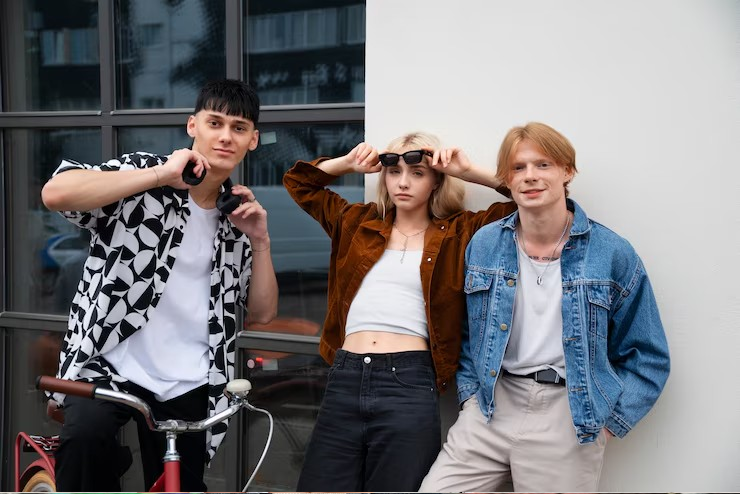
Let the model choose part of their outfit, or, if you’re working with a brand, make sure the suggested clothing aligns with the actual profile of your target audience. Ripped jeans, an oversized hoodie, sneakers, rings, caps, or a graphic tee can say much more about a young person than a perfectly put together outfit that doesn’t reflect their style. The goal isn’t for them to look like a magazine model, but rather like themselves, at their best.
You can also play with unexpected combinations or details that give character to the look: a mix of vibrant colors, bold layering, or even a vintage piece that stands out from the rest. The important thing is that the outfit doesn’t feel forced, but authentic. The more genuine the style, the stronger the connection with the camera will be.
Remember that, in youth photography, clothing doesn’t just dress: it communicates. Each garment can help build the character you’re portraying. That’s why, when the look truly reflects the person wearing it, the image takes on a special power. That’s when you stop having just a pretty picture and start telling a story with its own unique style.
4.Incorporate everyday elements: technology, hobbies, or snacks


If you want a photo of young people to feel real, lived-in, and relatable, including everyday objects can be the detail that makes all the difference. Teenagers and young adults are surrounded by objects that are part of their daily lives: headphones, cell phones, instant cameras, skateboards, video games, books, snacks, or even their favorite drink. These props not only give visual context to the image but also help the model relax and create more natural situations during the shoot.
For example, a cell phone in hand while listening to music, a spontaneous selfie, an open backpack with their favorite things peeking out, a bag of chips amid laughter, or a skateboard resting on their foot while relaxing. All these moments look and feel authentic and lead to much more dynamic and engaging compositions. It’s not about staging a perfect scene, but about capturing gestures and objects that are truly part of their routine.
Furthermore, props help to encourage interaction. They serve as an excuse to move their bodies, to play with their hands, or to create small actions within the photo. They also act as bridges between the viewer and the subject: seeing someone with a familiar object creates an immediate emotional connection. It’s like saying, “That’s part of my world too.”
These everyday details lend authenticity to the scene. And in youth photography, authenticity is felt and valued. When an image doesn’t look like a pose, but rather a real moment, it becomes much more powerful. So don’t underestimate the power of a game console, a soda, or sunglasses: they can be the perfect touch to bring your photo to life.

5. Experiment with editing and color for a fresh, youthful look
Editing is the finishing touch that can transform a good photo into a truly cool image. In youth photography, color and visual style play a huge role in connecting with current aesthetics and conveying freshness. It’s not just about “beautifying” the image, but about finding a palette and treatment that enhance the energy, authenticity, and personality of the model and the scene.
You can opt for vibrant tones if you want to convey vitality, attitude, and movement. Yellows, reds, fuchsias, or turquoises add dynamism and immediately capture attention, ideal for urban, cheerful, or daring looks. If you’re looking for something more relaxed or emotional, pastel tones or an “analog film” style edit can create a nostalgic mood that also resonates well with this generation’s aesthetic.
Play with contrast, subtle blurs, light leaks, or even small graphic elements (text, stickers, overlays) if the project’s style allows it. Visual references from social media platforms like Instagram or TikTok can inspire you to find an editing style that resonates with the visual culture young people consume every day.
However, remember: editing shouldn’t obscure the photo; it should amplify it. Always ask yourself what feeling you want to convey before applying any filters or adjustments. Good color treatment isn’t just a matter of style; it’s part of the visual language your photo uses to communicate. When everything is in harmony—the pose, the setting, the look, and the editing—the result is a powerful image that reflects the most valuable aspects of a youthful photoshoot: attitude, freedom, and essence.

Conclusion
Your youthful creativity deserves a publication that lives up to its potential. Photographing young people is much more than capturing a pretty picture. It’s about entering their world, interpreting their energy, their style, and their way of expressing themselves. With these five ideas we’ve explored, you have a solid guide to creating youthful photoshoots that look fresh, authentic, and have an aesthetic that truly connects. From posing to editing, every element counts in achieving an image that reflects what it truly means to be young today.


